








T-House

The Best Skincare Products for Eczema
Eczema is one of the most common skin conditions in the United States. And while experts aren’t exactly sure what mechanisms cause it, they agree that it’s highly treatable—perhaps using products you already have. By the time it shows up, it’s already too late. It arrives in patches, in splotches, or in bumps—and sometimes all three. Emotional stress can cause it, and it can also cause emotional stress on its own. It’s every skincare obsessive’s least favorite word: Eczema.It can also be scary, but it doesn’t have to be, because eczema is treatable, and very common. Next to acne, it’s the most prevalent condition in modern dermatology, affecting around 31 million Americans, according to the Cleveland Clinic. But its ubiquity does not make it any less menacing. Some eczema cases are mere annoyances that clear up on their own, while severe cases can invite complications like bacterial infections that require inpatient care.The biological mechanisms behind eczema aren’t exactly known. But the condition is common enough that we have a better understanding of how to take care of eczematous skin. Read on to learn a little more about what is happening under the dermis, and what steps to consider taking if you suffer from eczema.What is eczema?The National Eczema Association categorizes eczema as an inflammatory skin condition, and identifies seven distinct types of eczema. The most common, atopic dermatitis, is thought to be caused by an overactive immune response, and sometimes accompanies food allergies, hay fever, or asthma. Even the sound of the word itself, dense with consonants, seems to indicate an imbalance—the term comes from the Greek ekzema, or ekzein, meaning “to boil over.”Other types of eczema include contact dermatitis, an allergic reaction caused by a substance (like a beauty product) or a material (like a fabric or metal). Dyshidrotic eczema produces tiny, itchy boils that leak fluid; nummular eczema appears as circular, oozing patches of dry skin. There’s neurodermatitis, caused in part by excessive itching, and stasis dermatitis, caused in part by poor circulation in the legs. Lastly, there’s seborrheic dermatitis, or eczema of the scalp. How do I know if I have eczema? Each type of eczema has its distinctions, and with the help of a dermatologist, you should have no problem identifying which one to treat. All are visible to the naked eye. Telltale symptoms include red, inflamed skin with dry, flaky, or scaly texture that is rough to the touch. But the most obvious sign of eczema is the feeling of unbearable itchiness.Some who suffer from eczema describe the feeling as akin to ants crawling across the skin. Scratching eczema provides an immediate, fleeting relief, but risks significant injury to the skin, and could cause breakage, scarring, or infections. Is my eczema actually psoriasis?Psoriasis, another skin condition expressed by dry, red, inflamed skin, is often confused with eczema. The differences can be nuanced; according to the American Academy of Dermatologists, psoriasis in children often occurs on the face, scalp, knees and elbows, while eczema in adults tends to occur in the crooks of knees and elbows. Psoriasis happens when the body produces too many skin cells too quickly. It’s rarer than eczema, and can lead to other chronic issues, like diabetes. Your dermatologist should easily be able to tell the difference, and point you in the direction of effective treatment. Is eczema curable?As of now, there is no known cure for eczema. Experts are still not sure what exactly causes eczema, although it may have something to do with our genes and the factors in the environments around us.The good news is that there are many ways to treat eczema. All it takes is a little skincare wisdom—and a few tools on hand—to keep flare-ups under control. What shouldn’t I do for eczema?Almost as important as the things to put on your eczema: the things you should not, by any means, put on your eczema. If your skin is raging, avoid these common triggers.Don’t: Scratch. We know, we know. It feels so good. But think of eczema as an evil villain trying to ruin your skin: It wants you to scratch it, so that things can get worse. Not only can scratching be disruptive, to your sleep schedule, to your concentration, even your social life, but it can cause serious injury to the skin. Broken skin can lead to a bacterial infection or permanent scarring, according to Mount Sinai Hospitals. Resisting the urge requires a fair amount of self-control. It’s also necessary if you want your eczema to recede.Don’t: Irritate your skin. When your skin doesn’t agree with something, it’ll usually tell you. Contact dermatitis, the second most prevalent eczema, will often show up in response to a particular irritant. Even if you don’t suspect that your eczema is contact dermatitis, it’s wise to keep it far away from anything that you know irritates your skin—from plants you’re allergic to, to skincare ingredients that cause breakouts—when you’re dealing with a flare-up.Don’t: Use scalding water. Hot water can feel sensational on itchy skin. But because it tends to make our skin drier, it’s recommended to keep hot water away from any active eczema flare-ups. However, the National Eczema Association notes eczema benefits to soaking in a lukewarm bath. Lukewarm (not hot) water helps the skin absorb and retain hydration, and the relaxing effects of a warm bath can be palliative for eczema—as well as the body it’s attached to.Don’t: Skip body lotion. As a dermatologist said to the beauty website Byrdie, “the one common denominator of [eczema] treatment is moisturizing." Using a lotion approved by the National Eczema Association will help skin feel (and look) better faster. What should I do for eczema?Now it’s time to wrangle your eczema into submission. Dermatitis treatments vary, and may involve a skincare routine that includes hydrating and moisturizing the skin from the outside while calming inflammation from the inside. Here are a few common considerations for treating eczema.Do: Make a derm appointment. Easier said than done, right? But because eczema is a skin condition, it’s wise to consult a doctor who can accurately diagnose the issue. Your dermatologist may also be able to help recommend or prescribe medications, like antihistamines or corticosteroids, that can help quell the inflammatory response caused by dermatitis.Do: Use emollient products. Emollients, a category of product classified as softening the skin, make for some of the best lotions for eczema. According to the National Health Service, emollients are often used to manage dry skin and conditions like eczema, and their super hydrating properties make them ideal therapeutics. The rich texture of Tatcha’s Indigo Body Butter is perfectly suited to this task; Even a small amount spreads evenly across skin and forms an instant seal of moisture, so your skin can hold on to necessary hydration. Do: Try calming ingredients. In addition to hydrating textures, it’s a good idea to look for skincare ingredients that calm the skin, or otherwise have proven anti-inflammatory benefits. At Tatcha, we use Japanese indigo, a plant extract prized for its anti-inflammatory and antibacterial benefits. We’re so inspired by the Japanese indigo extract for skin that we harnessed the powers (and name) of the therapeutic ingredient into our treasured Calming Collection, in products like The Indigo Calming Cream, a rich, fragrance-free daily moisturizer and soothing spot treatment that blends indigo with therapeutic colloidal oatmeal for quick relief and long-lasting hydration. (It’s a well decorated formula, with a National Eczema Association Seal of Acceptance.) More information on the best ingredients for sensitive skin can be found over here. Do: Consider your diet. There is evidence that changing what you eat can help your eczema from flaring up. As a dietician from the National Eczema Association points out, 70% of the human immune system resides in the gut, meaning the foods we eat have a direct impact on the inflammation in our bodies. Vitamins A, C, and D, plus fiber and zinc, are touted as being especially helpful for quieting oxidative stress and fortifying our immune system.And, of course: Drink plenty of water. While the water we drink doesn’t go directly to our skin cells, according to a mythbusting article from Vogue India, water is needed to support skin’s collagen production, and increased hydration means better blood flow throughout the body. And water helps our various systems flush waste. “Normal skin hydration increases with dietary water intake, particularly in those with prior lower water consumption,” reads a study from this year that looked at water intake and atopic dermatitis in children, while acknowledging that further investigations are needed. It’s a reminder of something we already know: It’s what's on the inside that counts, but it’s what’s on the outside that shows.
How to Treat, Calm, and Soothe Sensitive Skin
If you’re reading this, there’s a good chance you have sensitive skin—according to the statistics, anyway. In one 2022 report, 71% of the surveyed group identified as having sensitive skin; in another, which looked at a much larger sample of people over a period of over a decade, found that at least half of all people have sensitive skin, with women more likely than men to be affected. In other words, there’s a one in two chance your skin might be reactive. Reactive skin, to use another term for sensitive, isn’t a clinical diagnosis, but a way of describing skin that often responds negatively to external stimuli, be they materials, products, or environmental aggressors, in the form of redness and dryness, inflammation and even breakouts. While skin is a generally resilient organ—it has to be, given its chief function—those with sensitive skin often have to be careful about exposure to the wrong irritant or allergen. Even if your skin isn’t sensitive, there’s a 100% chance you know someone whose is. This short guide will help you to understand the sensitive skin type’s unique set of needs. Presenting: A gentle introduction to sensitive skincare. A brief guide to sensitive skincare If you have sensitive skin, it may seem like the best thing to give your skin is: Nothing. Because sensitive skin is characterized by reactions, many who identify with the type go to great lengths to minimize all interactions with potential irritants, from fabrics to fragrances. At the same time, certain skincare formulas and ingredients have shown benefits on even the finickiest faces—and often will improve skin’s health in the long run. Centuries ago, the geisha (and their trainees, the maiko) of Kyoto developed skincare rituals that preserved the faces they caked with white performance makeup. They understood the importance of being gentle to skin, and even used silk to wash their faces. There is an old saying: “If you look closely at a maiko’s skin, it is made of pure silk.” The comparison is apt. If you press a delicate, cool-to-the-touch swatch of silk to your cheek, the natural fiber feels exactly like skin. It makes sense why silk extract and protein are such popular ingredients in moisturizers, serums, and makeup. The comparison also makes sense when we think about how we should care for our skin. Think about how you launder your silks versus your cottons; Like skin, silk has to be properly cared for in order to be preserved. How to cleanse sensitive skin Imagine you’re washing a silk shirt. Might you choose a delicate cycle, or choose to gently wash it by hand? Or would you prefer to scrub it clean with some dish soap and a boar bristle brush? Skin is resilient, but that doesn’t mean it's immune to wear-and-tear from abrasive surfaces and chemicals. Those with sensitive skin know this better than anybody else. Dermatologists, like those at the American Academy of Dermatology, advise against “scrubbing” or roughly rubbing the skin at all. Using lukewarm water and gently massaging in your cleanser with your fingertips is the preferred method. Dermatologists also warn against overwashing your skin. The best frequency is one to two times per day, according to experts, adding one more if you work up a sweat. Sensitive skin types might also consider gentle product textures, like oil-based cleansers, when selecting their preferred formula. Tatcha’s Camellia Cleansing Oil is a great option; Oils are unique for how effectively they can cleanse skin while also imparting skincare benefits, like the vitamins and fatty acids found in tsubaki, or camellia oil. (According to the beauty record, geishas used tsubaki when cleansing their own skin.) There’s also Tatcha’s new Indigo Cleansing Balm, which distills calming indigo extract (more on that ingredient later) into a buttery, oil-based balm. Reactive skin thrives on stasis, so be wary of cleansers or exfoliators that promise quick, dramatic results. How to moisturize sensitive skin Moisturizing is more than simply ensuring skin stays hydrated. It’s an important step in shoring up your skin’s barrier function, and it becomes even more essential when it comes to sensitive skin. It’s a good idea to choose a moisturizer made with ingredients that are known to benefit sensitive skin, or are soothing in their own right. One of the best ingredients for sensitive skin might be an unlikely one: Indigo extract. You may be familiar with indigo dye, but the plant has shown holistic healing benefits for centuries—in skincare formulations, it’s supremely soothing. It provides the centerpiece for many of Tatcha’s sensitive skin formulas, like the Indigo Calming Cream. It’s a moisturizer, and more: It can also be used as a spot treatment for anywhere skin irritation appears. Some experts posit that skin becomes more reactive in response to a weakened lipid barrier, which means moisture escapes, and irritants can enter more easily, making skin prone to dryness, which can exacerbate inflammation. Many moisturizers beloved for sensitive skin use ceramides, or building block proteins that help reinforce your skin’s barrier. Tatcha’s Indigo Overnight Repair serum-in-cream is formulated with these critical ceramides, as well as Japanese indigo extract. (You may be familiar with indigo dye, but the plant has shown holistic healing benefits for centuries—in skincare formulations, it’s supremely soothing.) The Indigo Overnight Repair, like every product in Tatcha’s range, is formulated without synthetic fragrances, sulfate detergents, and many other potential irritants, making it a safe bet for sensitive skin. How to make skin less sensitive Now that you know how to care for sensitive skin, it’s natural to wonder: Can I make my skin less sensitive? The answer is both yes, and no. According to dermatologists, our skin types can change, though they’re more likely to oscillate between oily and dry than sensitive and non. Sometimes, the use of corticosteroids, or other prescription topicals, can help skin become less inflamed. But if you have reactive skin, the odds are that it’ll stay reactive. The best thing to do is not test it by introducing too many routine elements. It’s possible to perform all of your necessary skincare—from cleansing, to exfoliating, to moisturizing—using gentle skincare products. But before you start to design your next routine, you may want to learn about ingredients that can actually help calm skin that is otherwise prone to aggravation. How to calm sensitive skin Certain ingredients are known for their skin soothing benefits. At Tatcha, we like Japanese indigo, both for its history—during the Edo period, samurai warriors believed garments dyed in indigo to have wound-healing properties—as well as for its well-documented skin soothing benefits. The dye is created through the process of turning leaves from the Indigofera plant into powder, boiling the powder down into a rich liquid, and then fermenting the dye until it reaches its distinctive hue. Indigo’s active ingredients help provide impressive relief to skin. Tryptanthrin is a nitrogen-rich compound known to help flush away toxins and irritants, while Indirubin supports the skin’s natural barrier function, which is why it’s useful in everything from hand cream to an exfoliating treatment. Indigo is the centerpiece of Tatcha’s Calming Starter Ritual, which imbues a simple skincare set with the calming power of indigo. Like any good practice, sensitive skincare requires consistency in order to see results. After all: The key to your skin type isn’t a single ingredient or product, but the good habits you build over time.

The Importance of Skincare: 5 Reasons Why It's Necessary
Do I really need a multi-step routine? While it’s true that skincare operates at the surface, its importance goes much deeper than that. It’s easy to be skeptical of skincare products, or to simply get lost in the sheer amount of information there is about skincare—from magazines, from social media, from celebrities, from friends. The market is vast enough to be incomprehensible. The advice seems to change up every day, to say nothing of the ingredients, which seem to change by the minute. Skincare—by which we mean attending to one’s own skin by the use of technology, like topicals and devices, or techniques, like massage or gua sha—is practiced by billions of people worldwide, but to fully understand the topic requires fluency in topics from chemistry to dermatology to radiobiology, and probably a lifetime of college-level seminars. Understanding why skincare is important, and why we do actually need to take care of our skin, is much simpler, and will only take a few minutes. All you need to do is metabolize the following five truths. Your skin needs care. Maybe you’re still skeptical of the idea of skincare—so skeptical, in fact, that you are thinking of not reading to the end of this article. You need only read to the end of this sentence: As long as the sun rises, your skin needs protection from it. One of the most important skincare behaviors to human survival is sun protection. This may seem hyperbolic. But skin cancer is the most common kind of cancer in the United States, according to the National Cancer Institute; it’s also one of the most preventable. Most skin cancers are caused by sun damage. Part of the NCI’s official recommendations involves applying sunscreen with a protection factor of 30 or greater before going outside, and reapplying every two hours of exposure. In this context, caring for one’s own skin is an act of preservation. Just as many people adopt skincare for their own vanity, many also consider their routines to be a part of their greater health, akin to exercise. Doctors who treat the skin, like dermatologists and plastic surgeons, agree that basic skincare is necessary, even as they express skepticism at skincare trends or buzzy ingredients. A simple, but comprehensive routine might just include a cleanser, a moisturizer, and a sunscreen. There’s room to add on if necessary. We’ve been doing it for a long time. At Tatcha, a lot of our beauty inspiration comes from Japan, where skincare has been practiced for centuries. Geisha performers had extensive beauty routines that they passed down in an oral tradition for generations. At the beginning of the 19th century, an author seeking to record the beauty trends of the time compiled a three-volume tome and called it the Miyakofuzoku Kewaiden, or Capital Beauty and Style Handbook. It showed not only makeup but skincare advice as well. If faces were painted, they were exfoliated, too. Many Japanese women also knew how to eat beautifully—that is, adopt certain foods with appearance benefits. (Today, as a demographic, Japanese women have a life expectancy of eighty-seven years, compared to eighty-one for American women. Scientists credit their longevity to genetics, but also to lifestyle and diet.) It would be difficult to argue that skincare is less important today than it was centuries ago. Life may be more complicated than it was back then, but as the next point will show, maybe that’s another reason why skincare can be useful. Routines are good for us. Weekly ice cream sundae. A workout before work. Pre-bedtime bath time, with a moisturizing sheet mask. Whether it’s something we do to take care of ourselves, or something we reward ourselves with for doing so, routines simply help us live better. Health providers agree that implementing routines (and sticking to them) can be hugely beneficial to people in all areas of their life, especially when it comes to sleep and diet. But fewer have concrete advice for how a routine can be forged. According to an article published in the American Journal of Lifestyle Medicine, forming a routine “can take a long time and is highly variable between individuals.” The article also distinguishes between a habit, which requires a cue—like showering after a workout—versus a routine, which doesn’t—like showering in the morning. Because good skincare is a daily practice, it can make for a great routine that easily punctuates the day. (Make it a routine, not a habit, with devoted blocks of time.) Both your morning and evening skincare regimens are opportunities for short meditations, or at least quick self check-ins. If for no other reason, try adopting this twice-daily practice, and see if you don’t feel more connected to yourself by the end of the day. You can learn a lot. Just start with the ingredient label. Did you know that hyaluronic acid, that slick substance found in many moisturizing serums and creams, is also found in the body’s connective tissue? (It helps lube our joints, among other important jobs.) Or that, in addition to boosting our immune systems, a topically-applied version of vitamin A also helps skin cells regenerate faster? And those benefits have also been observed in vitamin-rich plants, like cranberry and sea fennel? Whether you’re interested in human biology or cosmetic chemistry, the world of skincare provides almost endless opportunities for practical education. But one of the best things you can use skincare to learn about is other people. If you’ve ever gone makeup shopping with friends, or even been in a long line for the bathroom, you know about how beauty chatter can bring people together. Our skin is a science, but it’s also a self, and our skincare routines offer a peek into who we are. In this light, a little acne isn’t such a bad thing, if it gives you something to talk about. If you look good, you feel better. There is a distinct link between how we look on the outside and how we feel on the inside. The nascent cross-study of psychology and dermatology has yielded plenty of evidence that emotions can affect our skin (via stress-induced conditions, like eczema) and our skin can affect our emotions (psychological problems induced by skin disfigurement or hallucinations), according to the American Psychological Association. But even outside a clinical context, we know that putting attention into our appearance can improve confidence and self-esteem. These simple gestures have astounding benefits. Tatcha’s founder, Vicky Tsai, once wrote about the misconception of the 10- or 11-step Asian skincare routines that inspired the brand. “Quite the opposite, the classic rituals are as short and effortless as they are transformative for skin and soul alike. Giving yourself time to take care of your skin is not a luxury, but a necessity—a short, impactful moment for you to open and close the day.” When we talk about skincare, it’s the emphasis on “care”—the care we give our bodies, and our minds—that is truly meaningful.
Why Is My Skin So Sensitive?
Do you ever wonder, "Why is my skin so sensitive?" You're not alone. It's estimated that 71 percent of people identify as having sensitive skin. While sensitive skin is very common, each person can have different symptoms and triggers, making it difficult at times to diagnose and treat. Keep reading to learn about what might be causing your own sensitive skin, and how to manage it. Signs of Sensitive Skin The term "sensitive skin" covers a spectrum of skin irritations and reactions with many possible causes. Here are a few of the most common signs you might have sensitive skin. Itching, Burning, or Redness Sensitive skin is most likely characterized by unpleasant sensations or reactiveness, like redness, itching, discomfort, burning, and swelling. One way to check for these signs is the bare-face method, a technique we recommend for determining your skin type: Cleanse the skin thoroughly, let it sit untouched for 30 minutes, and then analyze how it feels and looks. While this method can help you discover if you have dry or oily skin, it also sheds light on sensitivity. If your skin feels itchy or tight, burns, or appears red, you might have sensitive skin, and these sensations can occur after applying triggering skincare ingredients and products, too. (A board-certified dermatologist can help confirm it.) Weakened Skin Barrier Those with sensitive skin may naturally have a weaker skin barrier, allowing irritants to penetrate and hydration to escape easier. A damaged skin barrier can manifest itself as inflammation, tenderness, and even acne. What Causes Sensitive Skin? Just as there are numerous ways sensitive skin showcases, there are just as many causes and triggers. Here are a few of the most common causes of sensitive skin. Environmental and Lifestyle Triggers In one study, environmental factors were shown to trigger sensitive skin reactions. These factors include heat, cold, excessive sun exposure, wind, pollution, and even air conditioning. Additionally, the same study was able to link everyday lifestyle-related factors to sensitive skin reactions. Other factors include exposure to chemicals and daily hygiene practices, like shaving, showering, and skincare products. Harsh Skincare Products Aggressive products or the overuse of certain ingredients can lead to sensitivity. This can occur with harsh exfoliation products most commonly, including exfoliating acids. One study linked high-percentage AHAs (alpha-hydroxy acids), which include glycolic, lactic, malic, tartaric, and citric acids, with damage to the skin barrier and an increase in skin irritation. That said, low concentrations of AHAs can be beneficial for some skin types. Genetics Genes tend to play a huge role in sensitive skin. According to research published in the medical journal Cosmetics, sensitive skin can be passed down from generation to generation. Additionally, those with sensitive skin can be genetically predisposed to have an inflammatory response and an overproduction of histamine, which can potentially lead to inflammatory conditions that go beyond skin, including asthma, eczema, and hay fever allergies. Dietary Triggers The gut and skin are directly related, so much so that certain diets can provoke inflammation with sensitive skin. One study found a link between refined sugar, processed and fried foods, gluten, dairy, and spicy foods, which can trigger an immune response and over-sensitivity in the skin. Additionally, another study found diets rich in spices, coffee, and alcohol were shown to trigger sensitivity on the skin. How to Care for Sensitive Skin There are a few tried-and-true ideas that can help soothe and ease sensitive skin. Minimize Triggers Uncovering your personal triggers can be difficult and time-consuming, but the process might be worth it to uncover what allergies, foods, and environmental factors cause sensitivity. Consider consulting with a dermatologist and potentially an allergist. Use Sensitive Skin-Safe Skincare Skincare products can play a huge role in soothing and caring for sensitive skin. Aim for formulas that tout their safety for sensitivity and have calming ingredients, like indigo, colloidal oatmeal, and licorice root. Here are a few products from Tatcha that were designed for sensitive skin specifically. Soothing Formulas for Reactive Skin An Overnight Healing Treatment The Indigo Overnight Repair visibly calms irritation and strengthens the skin’s barrier, so you can awake with calmer, healthier-looking skin. The formula features the soothing powers of Japanese indigo, red sage root to calm irritation, ceramides to boost moisture reserves, and hyaluronic acid to deeply hydrate. In clinical studies, 100 percent of users saw an improvement in their skin barrier strength within four weeks. A Gentle Cleanser The Indigo Cleansing Balm provides soothing support while removing impurities, makeup, and pollutants. Plus the fragrance-free balm maintains the skin’s barrier and microbiome for long-term skin health—perfect for sensitive skin. A Soothing Cream Transform stressed skin to strengthened skin with the Indigo Calming Cream. The rich, fragrance-free cream has been proven to calm visible irritation and relieve itchy skin, thanks to Japanese indigo, colloidal oatmeal (an FDA-designated skin protectant), and our proprietary Hadasei-3.

What Is Sensitive Skin?
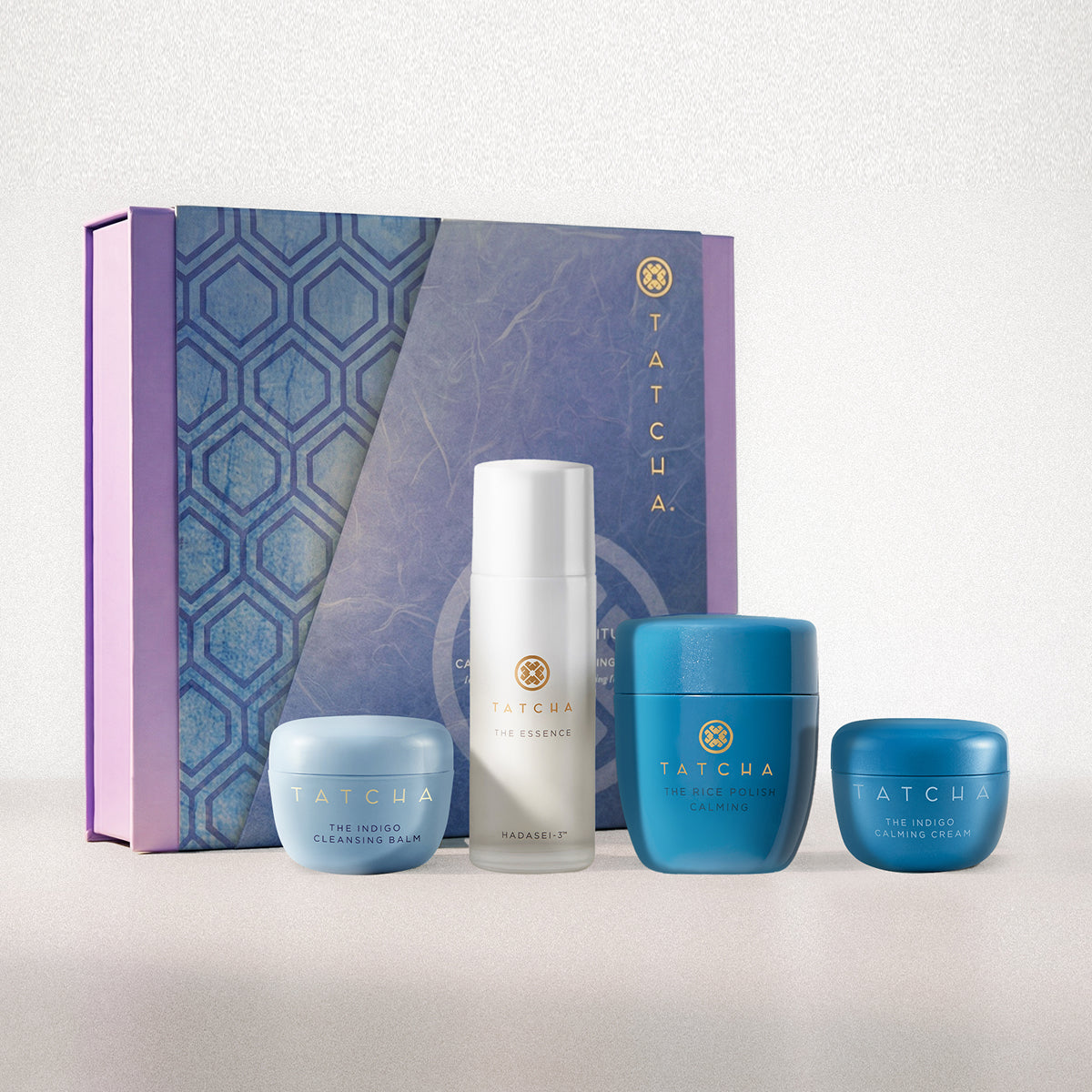
Sensitive skin is very common, yet identifying it isn’t always easy. Here is everything you need to know about skin sensitivity, what causes it, and how to manage it. What is Sensitive Skin? Sensitive skin is skin in a heightened state of reactiveness, most often on the face. It's characterized by unpleasant sensations like burning, stinging, itching, and tightness in response to everyday triggers, from skincare products to environmental and even emotional stress, that wouldn't typically bother other skin. Visible signs such as redness may or may not appear, which is why sensitivity can be hard to identify. What Causes Sensitive Skin? Many issues can cause skin sensitivity. Here are a few of the most common. Aggressive Skincare Products Intense acid treatments, retinols, and aggressive cleansers can all contribute to skin sensitivity. This is likely caused by stripping away the top protective layer of skin, known as your skin barrier. Weakened Skin Barrier A damaged skin barrier can lead to a host of problems, including excessive dryness, irritation, acne, and sensitivity, notes the Cleveland Clinic. This is because our skin barrier guards and protects skin from irritants and toxins, while also protecting the moisture levels. When the barrier is compromised, irritants can penetrate the skin and moisture disappears, leading to dehydration, redness, itching, and other sensitivity issues. Chronic Skin Conditions Allergies, contact dermatitis, eczema, and psoriasis can naturally compromise the skin barrier, leading to more sensitivity. Working with a dermatologist to understand your skin conditions and triggers is an important step to treat and prevent excess sensitivity. Treating Sensitive Skin As mentioned above, understanding your skin triggers is an important first step in treating sensitive skin. Tracking products, foods, or allergies that cause a reaction in the skin is important. It’s also helpful to remove known irritants from your regime, like acids (and other intense exfoliants), aggressive cleansers, and retinol. Focus on sensitive skincare products formulated to soothe and calm skin. Simplify and ‘gentle-fy’ your skincare ritual first and foremost. Reach for products and brands that avoid allergens and irritants and tout soothing ingredients. Ingredients to Look For Here are a few gentle ingredients to consider adding to your skincare routine. Colloidal Oatmeal Colloidal oatmeal is treasured for its therapeutic results and powerful relief. This ingredient can be found in The Indigo Calming Cream, which was awarded the National Eczema Association Seal of Acceptance, classifying it as safe for even the most sensitive skin. Licorice Licorice root is not only brightening but it’s also known to calm sensitive skin. The botanical is naturally antibacterial and anti-inflammatory, providing a gentle and soothing experience for most skin types. Licorice root extract can be found in one of Tatcha’s prized calming products: The Rice Polish: Gentle. An exfoliating product is rarely geared toward sensitive skin, but this Japanese-inspired polish was crafted specifically for gentle cleansing and exfoliation. Algae Algae revitalizes and leaves skin feeling soft, dewy, and refreshed. The superfood also contains humectant properties, allowing it to thoroughly lock in moisture and keep skin hydrated for longer. Additionally, this marine botanical is shown to cocoon skin from pollution and blue light (commonly emitted from digital screens) by intercepting free radicals. In total, algae simultaneously hydrates, restores, and shields the skin. This antioxidant-rich plant is an integral part of Tatcha’s proprietary Hadasei-3 complex that is composed of a trinity of time-tested ingredients that work in harmony to deliver radiant, healthy-looking skin. Our prized Hadasei-3 complex can be found in a variety of Tatcha’s products, including The Essence and The Dewy Serum, which are wonderful for sensitive skin. Indigo The botanical is regarded for its deeply soothing, restorative, and calming powers, as well as supporting the skin barrier. We are so inspired by Japanese indigo extract that we harnessed the powers (and name) of the therapeutic ingredient into our treasured Calming Collection. For cleansing, try our newest innovation: The Indigo Cleansing Balm. This skin-strengthening formula instantly calms visible irritation, while also supporting and transforming the barrier. The dermatologist-tested and fragrance-free formula was crafted with weakened, sensitized skin in mind, knowing traditional cleansing can be painful and damaging. This is why the balm is designed to reduce friction while cleansing, helping to soothe while cleansing. It still effectively cleanses though, efficiently removing even waterproof makeup. The formula includes Japanese indigo to calm visibly irritated skin, lipids, and ceramides to replenish the barrier, Japanese lotus root to soothe, and mondo grass root to balance the microbiome. The results are stunning, too: In clinical studies, 100 percent of participants demonstrated an improvement in barrier function after just one week of use.* But unlike harsh cleansers, the Indigo Cleansing Balm also soothes visible irritation and replenishes moisture—strengthening the skin barrier so it can prevent future damage for smooth, plump, and radiant-looking skin. *Based on bio-instrumentation (TEWL) clinical study on 40 panelists. To hydrate (and soothe), grab our newly updated Indigo Calming Cream. The fragrance-free cream has been proven to calm visible irritation and relieve itchy skin, thanks to Japanese indigo and colloidal oatmeal (an FDA-designated skin protectant). What sets this innovative cream apart from others is the addition of colloidal oatmeal, which has helped earn it the coveted National Eczema Association seal of approval for its ability to soothe irritated, eczema-prone skin on the face and beyond. Whether as a face cream or spot treatment, The Indigo Calming Cream offers a luxurious way to heal visibly stressed or eczema-prone skin for a calmer, stronger skin barrier. 100 percent of panelists in a clinical study saw an improvement in softness and suppleness immediately, an improvement in the appearance of the skin barrier after one week, and an improvement in visible redness and evenness of skin tone after four weeks. The emotional benefits of using the new Indigo Calming Cream are worth noting, too. In a clinical study self-assessment questionnaire, 86 percent of panelists noted that the product left them feeling like their skin was healthier after just one week. Or for a nighttime deeply hydrating experience, try the Indigo Overnight Repair for healthier-looking and calmer skin when you awake. Calm the body with our Indigo Soothing Body Butter, which features indigo, squalane, and colloidal oatmeal to heal and hydrate. And for hands, grab the Indigo Soothing Hand Cream, which is a concentrated dose of indigo, silk extracts, and squalane for a restorative, softening treatment.

The Best Way to Remove Makeup for Sensitive Skin
The removal of makeup is an essential skincare step. If you have skin that is prone to reaction, however, it can be an opportunity for disaster. Here is how to remove makeup from sensitive skin. Good skincare routines are built on cleansers, which clear the day’s makeup to make the way for our creams and serums to get to work. Without this first step, all of our other skincare is ineffective. A good cleanse is critical, and not too hard to find.For those who have sensitive skin, selecting a cleanser is a more complicated task. Sensitive skin is the more common term for reactive skin, characterized by “the occurrence of unpleasant sensations (stinging, burning, pain, pruritus, and tingling sensations) in response to stimuli that normally should not provoke such sensations,” according to a Swedish dermatological journal. In other words, it’s a skin type best left unperturbed.And yet, it’s a skin type that, like all others, requires regular care to maintain its healthy form and function—as a barrier between you and the outside world. Cleansing is crucial to that care. This is why, regardless of whether your skin type is oily or dry, combination or sensitive, your nightly skincare routine should begin with a proper rinse that removes makeup, dirt, or other accumulated build-up. By selecting the right cleanser, taking into consideration things like texture and ingredients, you should easily be able to create a custom, calming, cleansing ritual for your own skin.Do I need to wash my face?Dermatologists agree: Everybody needs to wash their face. Dirt and other build-up collects on our skin as a byproduct of daily life, and it's the job of a cleanser to clear it all away.Many experts recommend washing your face twice a day, while some dermatologists make a crucial distinction between face washing and face rinsing. The former includes a skincare product formulated to properly cleanse the dermis, while the latter can be done with water alone. Particularly reactive skin types might benefit from rinsing in the morning and saving their true cleanse for before bed but the ideal frequency for each person depends on their skin’s unique composition and goals.Your nightly cleanse is very important for your overall skin’s health. When you arrive to your evening skincare routine, your face is probably still holding on to the makeup and sunscreen applied earlier in the day. It can be difficult to achieve a complete cleanse with water alone, which is why skincare formulations can help to melt away makeup, dirt, and other substances you don’t want to leave on overnight.What’s the best way to remove makeup for sensitive skin?Every face needs to be washed, and every face needs to take off its makeup to do so, but it’s true that some washes can be harsher than others. Those with sensitive skin know this better than anybody else. The American Academy of Dermatology warns against abrasive scrubbing preferring lukewarm water and gentle fingertip massages. They also warn against overwashing, which can further sensitize skin, according to a recent report from Allure, by wearing down your skin’s natural barrier, leading to increased dryness and redness.This is why so many sensitive skin types like gentle product textures, including creams and oils, that exchange dirt and impurities with nourishing vitamins and necessary hydration. Oils, like The Camellia Cleansing Oil, do a beautiful job of this. The featherweight formula slicks off makeup with ease, without disturbing the skin’s moisture balance. This comes as little surprise: In antiquity, geishas used tsubaki, or camellia oil, when cleansing their own skin of layers of stage makeup.) In a trial conducted by Tatcha, 100% of women who used the Camellia Cleansing Oil also noticed improvements in wrinkles*. A good cleanser should do more than just cleanse; It should improve the quality of your skin overall. What about sensitive eyes?Sensitive skin is one thing, but sensitive skin around the eyes is another. As a dermatologist told InStyle, “the skin around the eye area is some of the most delicate and sensitive skin on the body,” even in those without reactive skin. It’s the thinnest part of the dermis on our faces, making the region particularly prone to reactions from products, the sun, or the environment around us.Of course, the eyes are also some of our favorite makeup canvases, and are often the target of eyeshadows, mascaras, and other paints and pigments. So when it comes time to take it off, it’s wise to choose a cleanser that will minimize the amount of work you have to put in. This is where a balm comes in handy; These oil-based formulas are known to melt away even the most stubborn makeup remnants, and are frequently employed as gentle makeup removers. Tatcha’s Indigo Cleansing Balm, for one, transforms textures on the skin, from a cushiony balm to a silky oil that cleanses skin and removes makeup at the same time. (It’s also made with indigo, a botanical extract prized for its soothing properties — and its gentleness on sensitive skin.) It might be wise to follow up with a skincare-product approved for optical use, such as an eye cream, that can deliver extra nourishment where your skin needs it most. Bonus points if it has ingredients that help retain hydration, like the white peony and silk extracts found in the Melting Eye Cream that smooth skin and diminish the appearance of fine lines. All in all, having sensitive skin means being choosy about what you put on. Read ingredient labels, talk to your dermatologist, and keep reading about sensitive skin.And whatever you do, don’t forget to take off your makeup.*based on a clinical study of 20 women over 4 weeks.

The Best Sunscreen for Sensitive Skin
Sunscreen is a daily necessity—but it’s often irritating for sensitive skin. We dive into the basics of sun protection, when to apply (and reapply) SPF, and the best sunscreen for sensitive skin. Sunscreen is an undebatable necessity in your daily regime. The American Academy of Dermatology suggests applying a broad-spectrum sunscreen with an SPF of 30 or higher and reapplying every two hours when outside. But if you have sensitive skin, sunscreen options can often be difficult to find, as many can trigger irritation. To uncover the best face sunscreen for sensitive skin, there are a few ingredients to look for—and a handful to avoid. Keep reading as we dive into the basics of sun protection, when to apply (and reapply) SPF, and the best sunscreen for sensitive skin.Sunscreen 101Before we uncover which facial sunscreen for sensitive skin is best, let’s first go over SPF basics.Types Of Sun RaysAccording to the Skin Cancer Foundation, there are two types of UV light: Ultraviolet A (UVA), which causes aging, and Ultraviolet B (UVB), which causes burning. UVA is sneaky and causes accelerated aging (like fine lines and sun spots), while UVB is the culprit behind sunburns. Protect against both types of rays with a broad-spectrum sunscreen (a sunscreen will proudly list its broad-spectrum coverage on the packaging).Levels Of SPFSPF stands for sun protection factor. The number tells you how long the sun’s UVB rays would take to redden your skin if you apply the sunscreen exactly as directed compared with the amount of time without sunscreen, says the Skin Cancer Foundation. So, if you use SPF 30 products properly, it would take you 30 times longer to burn than if you used no sunscreen. The Foundation suggests aiming for an SPF of at least 30, which deflects 96.7 percent of rays when applied successfully.ApplicationThe AAD suggests applying sunscreen generously and covering your face, neck, ears, lips, and hands. To take your sun protection a step further, borrow a page from Japan where individuals are so diligent about protecting their skin from the sun that they not only conscientiously reapply sunscreen often, but they also often wear sun-protective clothing and carry parasols (known as higasa). UV-treated clothes and oversized sunglasses also make perfect summer-safe accessories.Types of SPFThere are two types of sunscreen: physical and chemical. Let’s dive into both and uncover which is best for sensitive skin.Physical (Mineral) Sunscreen Physical, also known as mineral, sunscreen has ingredients that block and scatter the rays (like a shield) before they penetrate your skin, notes the Skin Cancer Foundation. The formulas often include the minerals titanium dioxide and zinc oxide. It also protects your skin from the sun as soon as it’s applied – you do not need to wait for it to take effect.Chemical SunscreenChemical SPF works by absorbing UV rays (like a sponge) before they can damage the skin, says the Foundation. You’re likely to see ingredients like avobenzone and octisalate in a chemical formula. Additionally, chemical sunscreens need at least 10 to 15 minutes after application to achieve full protection. And it’s ideal to reapply frequently, as protection dwindles under direct UV light.Chemical + Physical Sunscreen For the best of both worlds, some SPFs combine both chemical and physical sunscreen in one product. The dual-coverage formula can allow for greater ease of application, longer-lasting wear, and stronger coverage.What is the best sunscreen for sensitive skin?“While physical sunscreens may be less likely to cause skin irritation than chemical sunscreens, both types have been tested as safe and effective,” says the Skin Cancer Foundation. In fact, many sun protection products available today combine both types of ingredients to provide stronger protection.While we might be quick to feel strongly about chemical versus mineral sunscreens—all active ingredients in sunscreen are chemically derived, notes the Foundation. “Some people may think of physical sunscreens as more natural or even organic, but they’re actually inorganic mineral compounds,” says the Skin Cancer Foundation. The sunscreens many people call “chemical” are actually “UV organic filters,” they add.But particular sunscreens do work better for certain skin types. For sensitive skin, avoid formulas that include added fragrances or dyes, both of which can be potentially irritating. For dry sensitive skin, seek out SPFs with hydrating ingredients, like niacinamide. And for oily or blemish-prone sensitive skin, look for non-comedogenic and lightweight formulas.Best Mineral Sunscreen for Sensitive SkinLooking for a silky, lightweight, invisible sunscreen with 50+ mineral coverage? Grab The Silk Sunscreen, a broad-spectrum formula that protects against UVA and UVB rays with 10 percent zinc oxide for a mineral, reef-safe filter. Not only does the new Silk Sunscreen feel impossibly light, but the invisible protection also impressively minimizes pollutant and allergen disruption—ideal for sensitive skin. And as the name suggests, the formula features silk proteins, which allows the silky liquid to provide a protective veil of hydration without weighing your sensitive skin down. In addition to silk extracts, niacinamide visibly evens skin tone, reduces redness, and visibly firms the look of pores. And hyaluronic acid helps to immediately boost skin’s natural moisture levels, softness, and skin tone. Basically, it makes your skin feel healthier, while also providing incredible sun protection. Best Mineral and Chemical Sunscreen for Sensitive Skin If you prefer a creamy sunscreen with both mineral and chemical protection, our bestselling Silken Pore Perfecting SPF 35 Sunscreen is a superb option. The non-comedogenic and non-irritating formula features skin-loving ingredients that not only protect the skin, but also help tighten the appearance of pores, smooth skin texture, and calm irritation. The Silken Pore SPF also features our beloved silk extract for a silky feel, allowing the sunscreen to apply flawlessly. Also, the formula doubles as a primer for makeup, allowing you to save time and effort.
How to Double Cleanse: A Complete Guide
It seems simple at first. But there’s more to this skincare trend than meets the dermis, which is why you may want to read this guide before you try it for yourself. When it comes to purifying your face, myths and methods abound—and sometimes the beauty industry is complicit in reinventing the playbook to sell you more products. You may have heard that a clean face should be as taut as a snare drum and squeak to the touch. Neither is true. In fact, your face should never feel tight; if it does, it’s a sign that you have stripped away all of its natural and necessary oils.Double cleansing is a popular skincare trend that helps support your skin’s barrier. It’s easy to learn how to double cleanse, and it’s important to learn why we double cleanse. The answer might surprise you, and it will definitely teach you something you didn’t know about your skin.What is a double cleanse?Maybe you’ve seen a double cleanse tutorial on Instagram, or maybe you heard your friend mention it but forgot to follow up. We’ll spell it out: The definition of a double cleanse is to wash your skin twice. Most skincare guides recommend using a single cleanser; a comprehensive one, published in the New York Times’ T Magazine, helps define different varieties of cleansers, from balms to oils.A double cleanse breaks this step into two. The first step is to prepare the skin to be fully cleansed, and usually involves taking off makeup, or surface-level impurities, using a lightweight cleanser. The second step focuses on washing the skin itself, and usually involves a heavier formula that can cleanse and nourish the skin’s deeper layers.Using two cleansers when one is sufficient may seem counterintuitive, or excessive. But imagine a one-step cleansing routine applied to a full face of makeup—how much force would you need to effectively wash off the product and the skin underneath? The American Academy of Dermatology Association advises against “scrubbing” the skin, due to potential irritation, in favor of gentle applications and techniques. A double cleanse may “double” the product, but it makes your overall routine easier, by working twice as hard. What is the origin of double cleansing?Without detailed records of skincare throughout the ages, it’s hard to pin down exactly where double-cleansing originated. But most reports trace the trend back to Asia. In Japan, the Kyoto Cleanse—also known as the Double Cleanse—is the two-step protocol favored by geisha and now throughout the country, and is already part of your ritual if you purify with oil and polish with enzyme powder. Those two steps not only remove surface debris, sunscreen, and makeup, but also unclog pores and prep skin for hydration.The practice has endured, and the term “doubles” is used to describe J-beauty routines involving two cleansers or two moisturizers. Double cleansing as we know it today may have been popularized by Korean beauty videos in the 21st century, according to a recent Vogue story, but it’s widely understood that double cleansing originated among Asian women, before the trend was exported to the Western world via social media. Why should you double cleanse?It’s difficult to think of a reason to not double cleanse. The practice has benefits for all skin types, and can help your skin look and feel better in the long run. It’s more effective. Here’s the easiest answer: Two washes are simply better than one. Most double cleanse routines use different formulas—an oil followed by a balm, or a micellar water followed by a cream. The first product cuts through surface-level impurities; the second product cleanses and conditions the skin. Sure, it’s one more step than a normal routine, but you would be hard pressed to find a single product that cleans better than two. It’s gentler on skin. A longer skincare routine isn’t always a better one, according to a recent report in Allure. But because the double cleanse method prioritizes gentle formulas, it’s a safe bet for sensitive skin types who are wary of irritating products and techniques. It’s just good skincare. The University of Tennessee’s Medical Center says it best: “Daily moisturizing is vital for healthy skin.” It’s not just to make skin look plump, but keeping your skin hydrated means giving it the nutrients it needs to create new proteins and sustain itself over time. While some face washes are known for stripping and squeaky-cleaning, double cleanse routines actually help the skin retain necessary moisture, while ensuring it is effectively and regularly purified. Should you double cleanse once or twice a day?There is no hard and fast rule for how often we should wash our faces, and the answer often depends on a variety of factors, from skin type to skin goals. But a double cleanse is most effective after a period in which our faces have accumulated makeup, sweat, dirt, or grime—in other words, after a long day.A dermatologist at the Cleveland Clinic doesn’t use the term “double cleanse,” but recommends completely removing makeup before starting the rest of your routine at night before bed. In other words, if you double cleanse once, make it in the evening.Of course, if you sweat while sleeping, or if you wear a lot of skincare products at night, you may want to start your day with a double cleanse. Proceed with caution. A 2022 British Vogue story quoted dermatologists who recommended only a light cleanser in the morning, and advised against over-washing skin. As always, chat with your dermatologist before setting into a particular skincare routine. Do you need to double cleanse if you don't wear makeup?Since the first step of a double cleanse is meant to wash off makeup, is it necessary if you don’t wear any? You may want to give it a try. Even if you don’t wear makeup, a double cleanse can help your skin feel cleaner than it would after a traditional single cleanse.As some skincare-savvy Reddit users have pointed out, some sunscreens require a little more muscle to effectively wash off—a double cleanse could come in handy to get the job done. All in all, adopt the skincare routine that helps you look and feel your best. What makes for a good double cleanser?There are many formulas that make for a good double cleanse, but one of our favorites is oil. Washing your face with oil sounds counterintuitive, especially if your skin veers toward shiny both in the morning and at the day’s end. But water-based products and foaming cleansers can’t break down the natural sebum our skin produces—or the oils found in your makeup, particularly waterproof mascara and eyeliner. Like dissolves like, which is why oil works. So even your best soapy scrubbing effort at the sink won’t remove makeup residue and stubborn sunscreen if you’re not cleansing with oil. What do you need to double cleanse?We saved the easiest question for last. All you need is two products, two steps, and nothing else.Step 1: Wash off makeupFor this step, you can use any product that dissolves makeup—like a micellar water, or biodegradable face wipe. The double cleanse routines descended from centuries-old Japanese skincare utilized oil-based formulas that could melt even the most stubborn makeup products clean off, so it’s no surprise that most double cleanse devotees advocate an oil cleanser for your first step. It’s wise to choose a product that expressly works on waterproof makeup, like the Camellia Cleansing Oil, which is crafted with tsubaki, or Japanese camellia oil— a featherweight botanical oil prized in Asia for its superb moisturizing activity—or the Indigo Cleansing Balm, which distills skin-soothing indigo into a makeup-melting balm. Remember: Every stitch of makeup should be removed before Step 2. Step 2: Cleanse your skinMany face cleansers promise to deliver ingredients that nourish the skin, but they can’t get there with junk in the way. Your skin has been washed: Now, unobstructed, it is ready to be cleansed. Choose a cleanser that’s matched to your skin type. Drier faces might like a creamier formula, like The Rice Wash, which is made with hyaluronic acid and Okinawa algae that bind water and replenish ceramides. Tatcha’s own double-cleanse protocol, known as the Kyoto Cleanse—named for the geisha beauty routines that inspired it—follows the Camellia Cleansing Oil to removed makeup with The Rice Polish to gently exfoliate. The beauty of double cleansing is that it works for all skin types. How many other skincare fads can make that claim?