






By the time it shows up, it’s already too late. It arrives in patches, in splotches, or in bumps—and sometimes all three. Emotional stress can cause it, and it can also cause emotional stress on its own. It’s every skincare obsessive’s least favorite word: Eczema.
It can also be scary, but it doesn’t have to be, because eczema is treatable, and very common. Next to acne, it’s the most prevalent condition in modern dermatology, affecting around 31 million Americans, according to the Cleveland Clinic. But its ubiquity does not make it any less menacing. Some eczema cases are mere annoyances that clear up on their own, while severe cases can invite complications like bacterial infections that require inpatient care.
The biological mechanisms behind eczema aren’t exactly known. But the condition is common enough that we have a better understanding of how to take care of eczematous skin. Read on to learn a little more about what is happening under the dermis, and what steps to consider taking if you suffer from eczema.
What is eczema?
The National Eczema Association categorizes eczema as an inflammatory skin condition, and identifies seven distinct types of eczema. The most common, atopic dermatitis, is thought to be caused by an overactive immune response, and sometimes accompanies food allergies, hay fever, or asthma. Even the sound of the word itself, dense with consonants, seems to indicate an imbalance—the term comes from the Greek ekzema, or ekzein, meaning “to boil over.”
Other types of eczema include contact dermatitis, an allergic reaction caused by a substance (like a beauty product) or a material (like a fabric or metal). Dyshidrotic eczema produces tiny, itchy boils that leak fluid; nummular eczema appears as circular, oozing patches of dry skin. There’s neurodermatitis, caused in part by excessive itching, and stasis dermatitis, caused in part by poor circulation in the legs. Lastly, there’s seborrheic dermatitis, or eczema of the scalp.
How do I know if I have eczema?
Each type of eczema has its distinctions, and with the help of a dermatologist, you should have no problem identifying which one to treat. All are visible to the naked eye. Telltale symptoms include red, inflamed skin with dry, flaky, or scaly texture that is rough to the touch. But the most obvious sign of eczema is the feeling of unbearable itchiness.
Some who suffer from eczema describe the feeling as akin to ants crawling across the skin. Scratching eczema provides an immediate, fleeting relief, but risks significant injury to the skin, and could cause breakage, scarring, or infections.
Is my eczema actually psoriasis?
Psoriasis, another skin condition expressed by dry, red, inflamed skin, is often confused with eczema. The differences can be nuanced; according to the American Academy of Dermatologists, psoriasis in children often occurs on the face, scalp, knees and elbows, while eczema in adults tends to occur in the crooks of knees and elbows. Psoriasis happens when the body produces too many skin cells too quickly. It’s rarer than eczema, and can lead to other chronic issues, like diabetes. Your dermatologist should easily be able to tell the difference, and point you in the direction of effective treatment.
Is eczema curable?
As of now, there is no known cure for eczema. Experts are still not sure what exactly causes eczema, although it may have something to do with our genes and the factors in the environments around us.
The good news is that there are many ways to treat eczema. All it takes is a little skincare wisdom—and a few tools on hand—to keep flare-ups under control.
What shouldn’t I do for eczema?
Almost as important as the things to put on your eczema: the things you should not, by any means, put on your eczema. If your skin is raging, avoid these common triggers.
Don’t: Scratch. We know, we know. It feels so good. But think of eczema as an evil villain trying to ruin your skin: It wants you to scratch it, so that things can get worse. Not only can scratching be disruptive, to your sleep schedule, to your concentration, even your social life, but it can cause serious injury to the skin. Broken skin can lead to a bacterial infection or permanent scarring, according to Mount Sinai Hospitals. Resisting the urge requires a fair amount of self-control. It’s also necessary if you want your eczema to recede.
Don’t: Irritate your skin. When your skin doesn’t agree with something, it’ll usually tell you. Contact dermatitis, the second most prevalent eczema, will often show up in response to a particular irritant. Even if you don’t suspect that your eczema is contact dermatitis, it’s wise to keep it far away from anything that you know irritates your skin—from plants you’re allergic to, to skincare ingredients that cause breakouts—when you’re dealing with a flare-up.
Don’t: Use scalding water. Hot water can feel sensational on itchy skin. But because it tends to make our skin drier, it’s recommended to keep hot water away from any active eczema flare-ups. However, the National Eczema Association notes eczema benefits to soaking in a lukewarm bath. Lukewarm (not hot) water helps the skin absorb and retain hydration, and the relaxing effects of a warm bath can be palliative for eczema—as well as the body it’s attached to.
Don’t: Skip body lotion. As a dermatologist said to the beauty website Byrdie, “the one common denominator of [eczema] treatment is moisturizing." Using a lotion approved by the National Eczema Association will help skin feel (and look) better faster.
What should I do for eczema?
Now it’s time to wrangle your eczema into submission. Dermatitis treatments vary, and may involve a skincare routine that includes hydrating and moisturizing the skin from the outside while calming inflammation from the inside. Here are a few common considerations for treating eczema.
Do: Make a derm appointment. Easier said than done, right? But because eczema is a skin condition, it’s wise to consult a doctor who can accurately diagnose the issue. Your dermatologist may also be able to help recommend or prescribe medications, like antihistamines or corticosteroids, that can help quell the inflammatory response caused by dermatitis.
Do: Use emollient products. Emollients, a category of product classified as softening the skin, make for some of the best lotions for eczema. According to the National Health Service, emollients are often used to manage dry skin and conditions like eczema, and their super hydrating properties make them ideal therapeutics. The rich texture of Tatcha’s Indigo Body Butter is perfectly suited to this task; Even a small amount spreads evenly across skin and forms an instant seal of moisture, so your skin can hold on to necessary hydration.
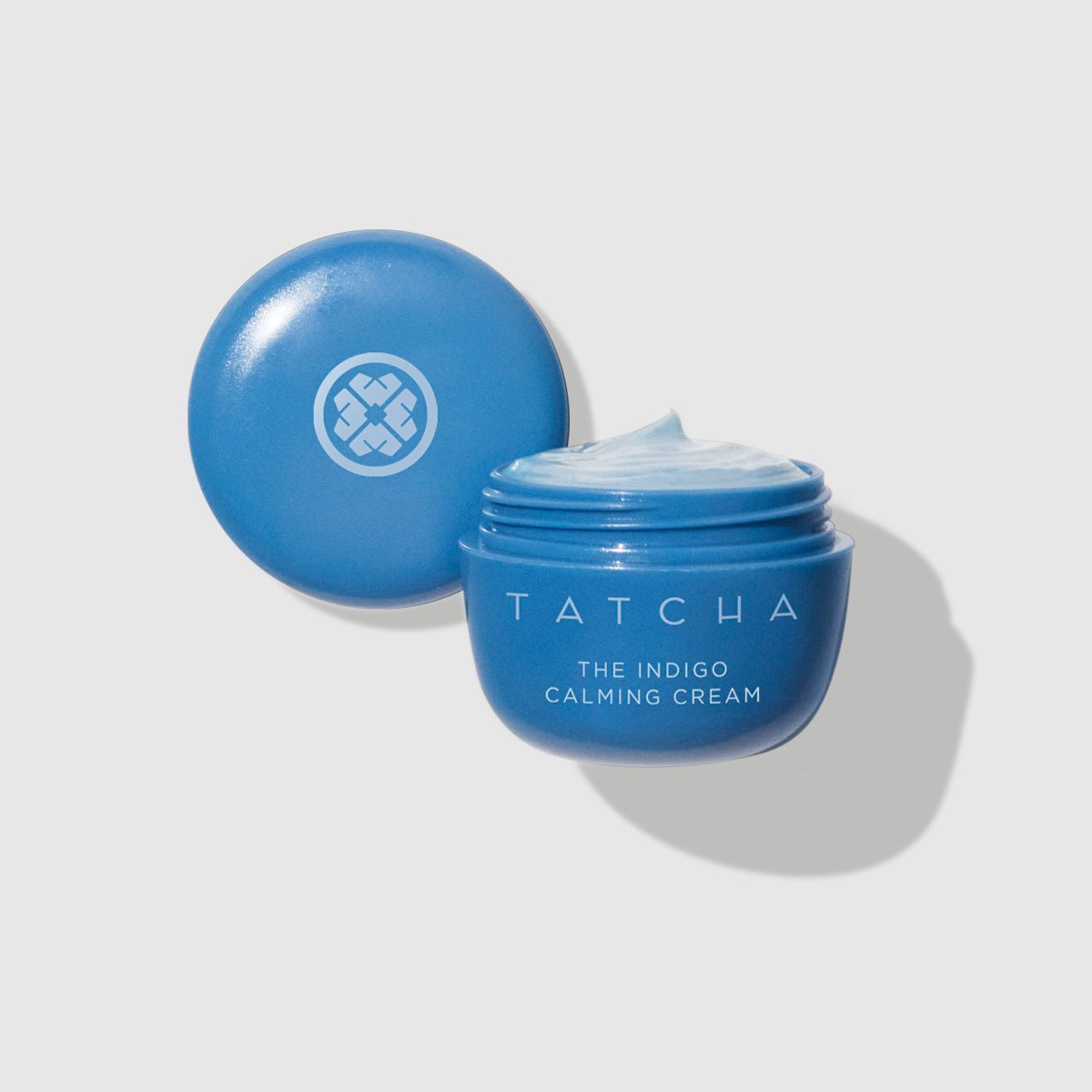
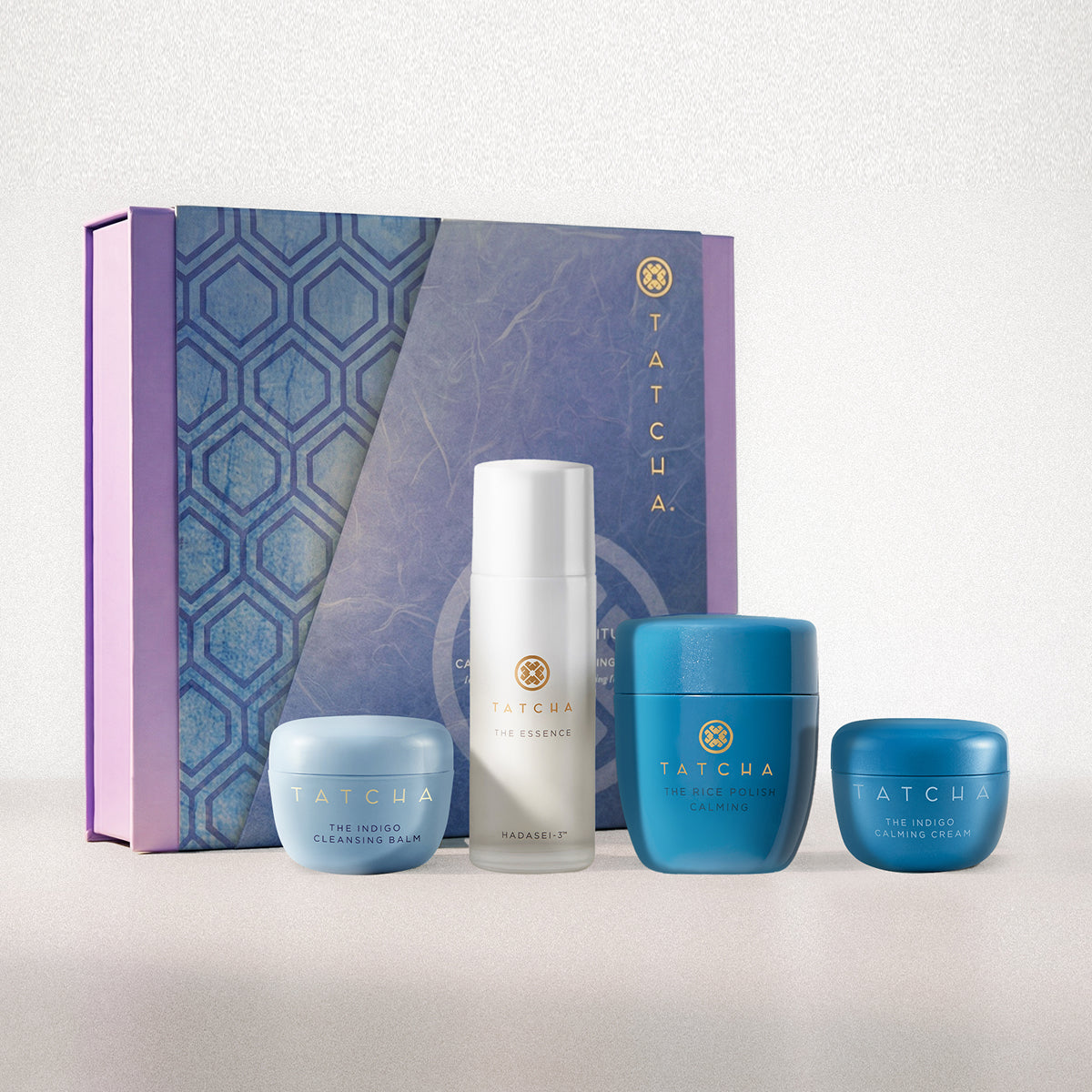
Do: Try calming ingredients. In addition to hydrating textures, it’s a good idea to look for skincare ingredients that calm the skin, or otherwise have proven anti-inflammatory benefits. At Tatcha, we use Japanese indigo, a plant extract prized for its anti-inflammatory and antibacterial benefits. We’re so inspired by the Japanese indigo extract for skin that we harnessed the powers (and name) of the therapeutic ingredient into our treasured Calming Collection, in products like The Indigo Calming Cream, a rich, fragrance-free daily moisturizer and soothing spot treatment that blends indigo with therapeutic colloidal oatmeal for quick relief and long-lasting hydration. (It’s a well decorated formula, with a National Eczema Association Seal of Acceptance.) More information on the best ingredients for sensitive skin can be found over here.
Do: Consider your diet. There is evidence that changing what you eat can help your eczema from flaring up. As a dietician from the National Eczema Association points out, 70% of the human immune system resides in the gut, meaning the foods we eat have a direct impact on the inflammation in our bodies. Vitamins A, C, and D, plus fiber and zinc, are touted as being especially helpful for quieting oxidative stress and fortifying our immune system.
And, of course: Drink plenty of water. While the water we drink doesn’t go directly to our skin cells, according to a mythbusting article from Vogue India, water is needed to support skin’s collagen production, and increased hydration means better blood flow throughout the body. And water helps our various systems flush waste. “Normal skin hydration increases with dietary water intake, particularly in those with prior lower water consumption,” reads a study from this year that looked at water intake and atopic dermatitis in children, while acknowledging that further investigations are needed. It’s a reminder of something we already know: It’s what's on the inside that counts, but it’s what’s on the outside that shows.