







If you’re reading this, there’s a good chance you have sensitive skin—according to the statistics, anyway. In one 2022 report, 71% of the surveyed group identified as having sensitive skin; in another, which looked at a much larger sample of people over a period of over a decade, found that at least half of all people have sensitive skin, with women more likely than men to be affected.
In other words, there’s a one in two chance your skin might be reactive. Reactive skin, to use another term for sensitive, isn’t a clinical diagnosis, but a way of describing skin that often responds negatively to external stimuli, be they materials, products, or environmental aggressors, in the form of redness and dryness, inflammation and even breakouts. While skin is a generally resilient organ—it has to be, given its chief function—those with sensitive skin often have to be careful about exposure to the wrong irritant or allergen.
Even if your skin isn’t sensitive, there’s a 100% chance you know someone whose is. This short guide will help you to understand the sensitive skin type’s unique set of needs. Presenting: A gentle introduction to sensitive skincare.
A brief guide to sensitive skincare
If you have sensitive skin, it may seem like the best thing to give your skin is: Nothing. Because sensitive skin is characterized by reactions, many who identify with the type go to great lengths to minimize all interactions with potential irritants, from fabrics to fragrances. At the same time, certain skincare formulas and ingredients have shown benefits on even the finickiest faces—and often will improve skin’s health in the long run.
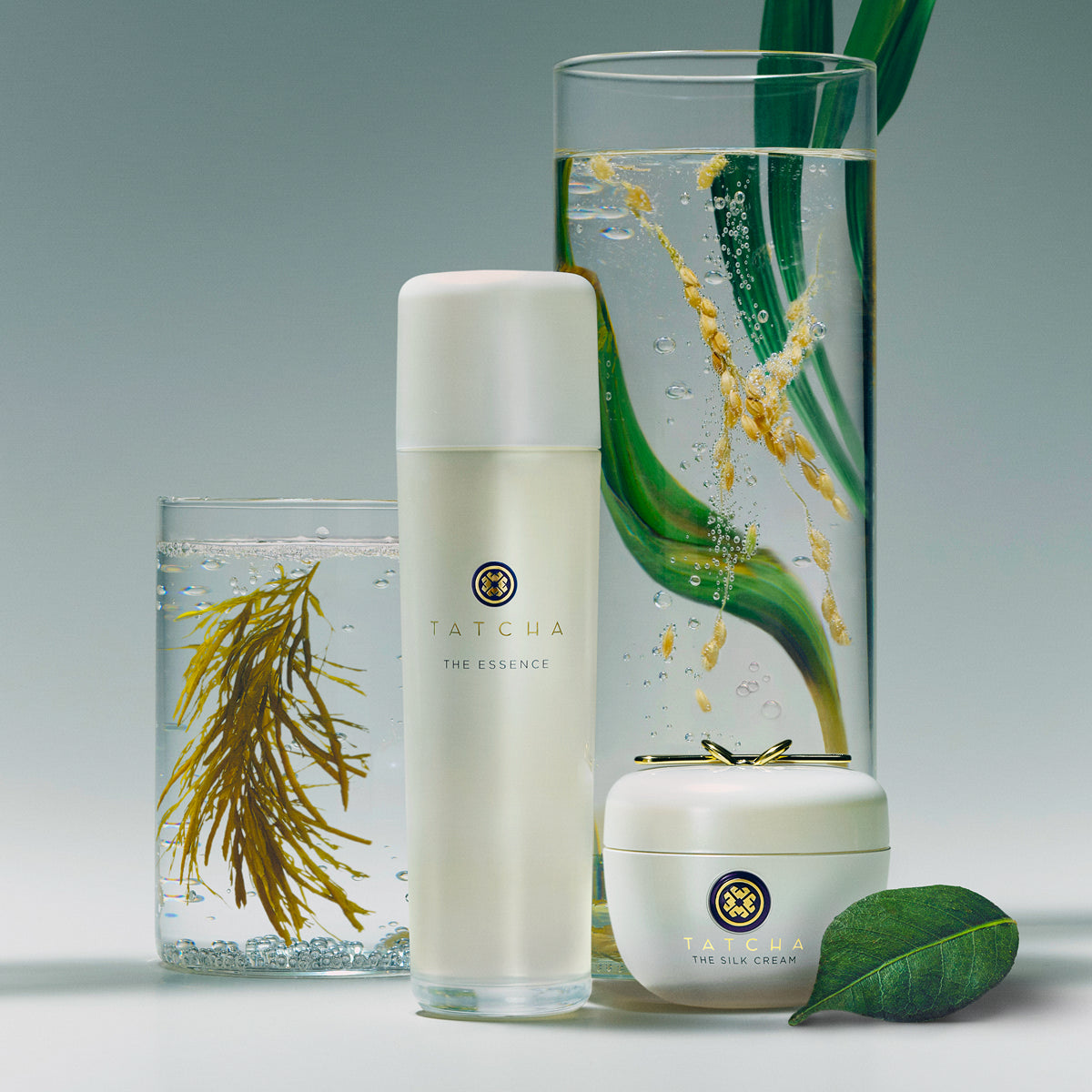
Centuries ago, the geisha (and their trainees, the maiko) of Kyoto developed skincare rituals that preserved the faces they caked with white performance makeup. They understood the importance of being gentle to skin, and even used silk to wash their faces. There is an old saying: “If you look closely at a maiko’s skin, it is made of pure silk.” The comparison is apt. If you press a delicate, cool-to-the-touch swatch of silk to your cheek, the natural fiber feels exactly like skin. It makes sense why silk extract and protein are such popular ingredients in moisturizers, serums, and makeup.
The comparison also makes sense when we think about how we should care for our skin. Think about how you launder your silks versus your cottons; Like skin, silk has to be properly cared for in order to be preserved.
How to cleanse sensitive skin
Imagine you’re washing a silk shirt. Might you choose a delicate cycle, or choose to gently wash it by hand? Or would you prefer to scrub it clean with some dish soap and a boar bristle brush?
Skin is resilient, but that doesn’t mean it's immune to wear-and-tear from abrasive surfaces and chemicals. Those with sensitive skin know this better than anybody else. Dermatologists, like those at the American Academy of Dermatology, advise against “scrubbing” or roughly rubbing the skin at all. Using lukewarm water and gently massaging in your cleanser with your fingertips is the preferred method. Dermatologists also warn against overwashing your skin. The best frequency is one to two times per day, according to experts, adding one more if you work up a sweat.
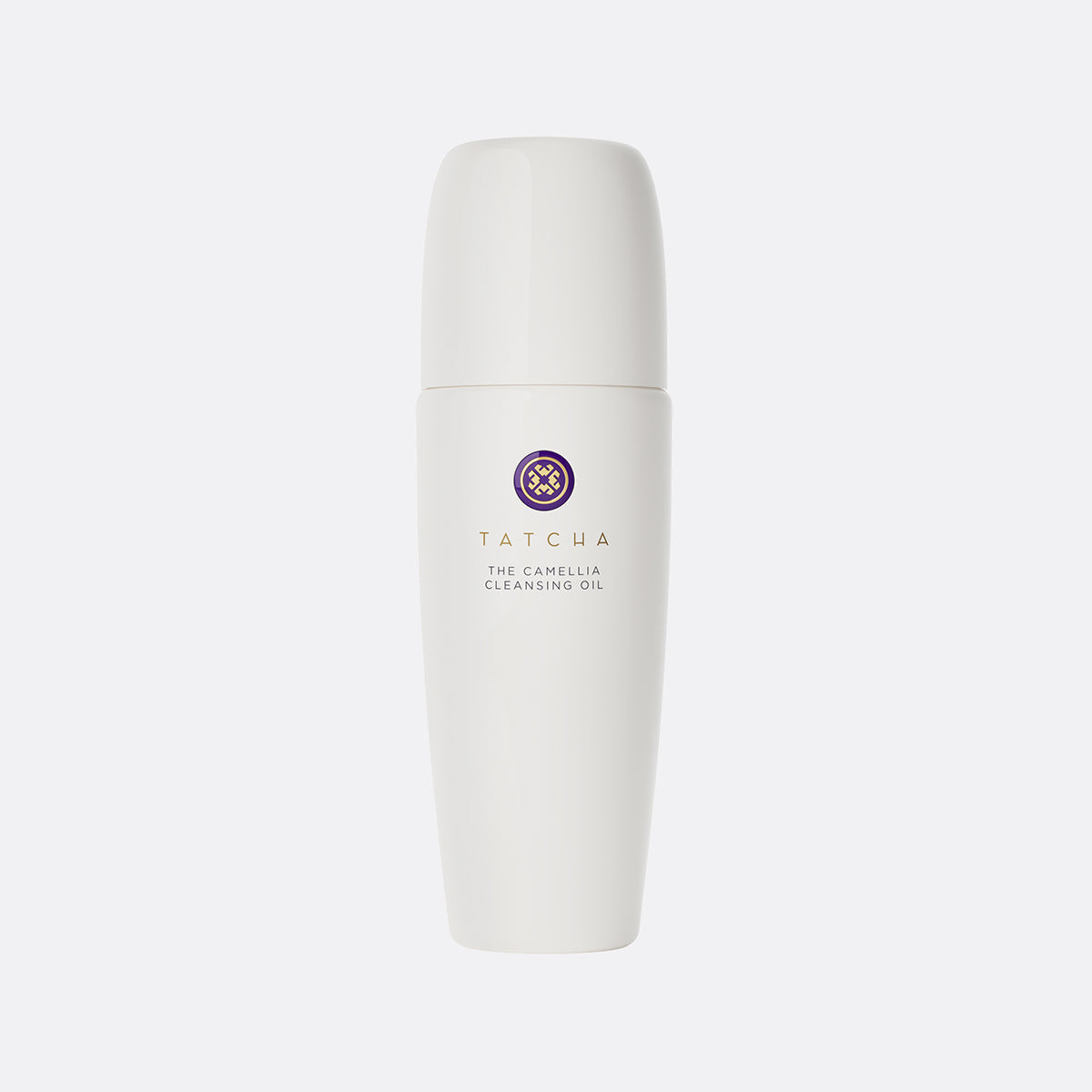
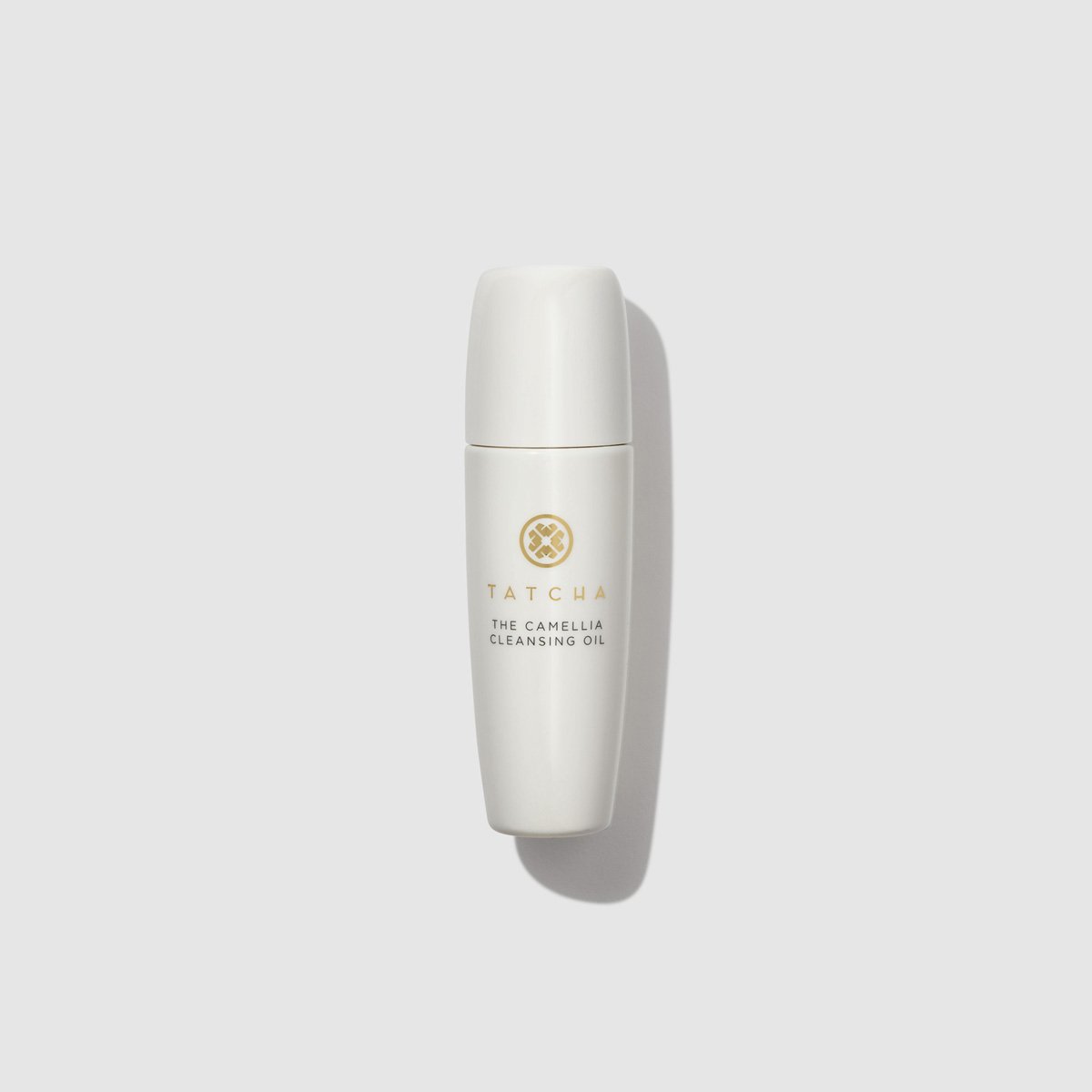
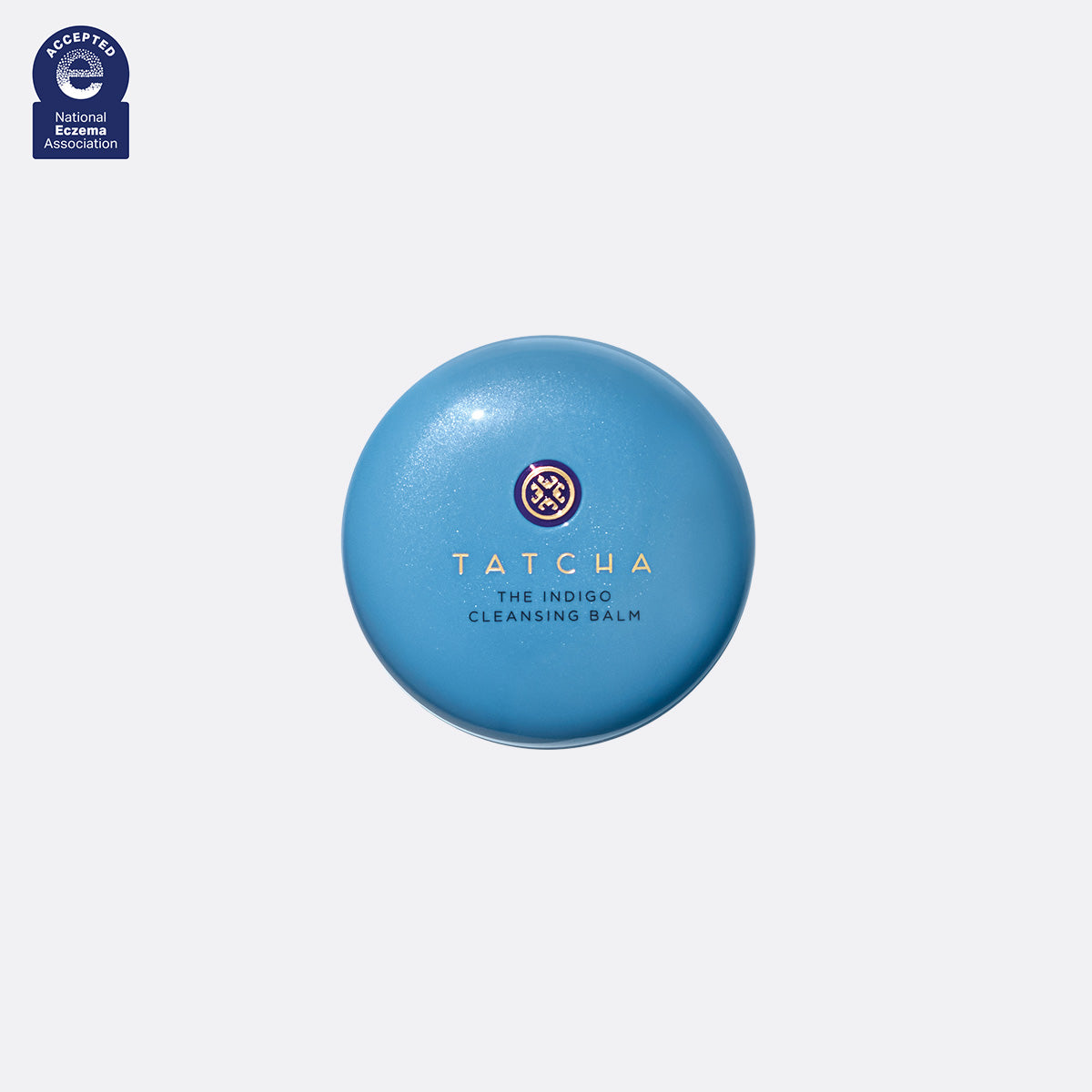
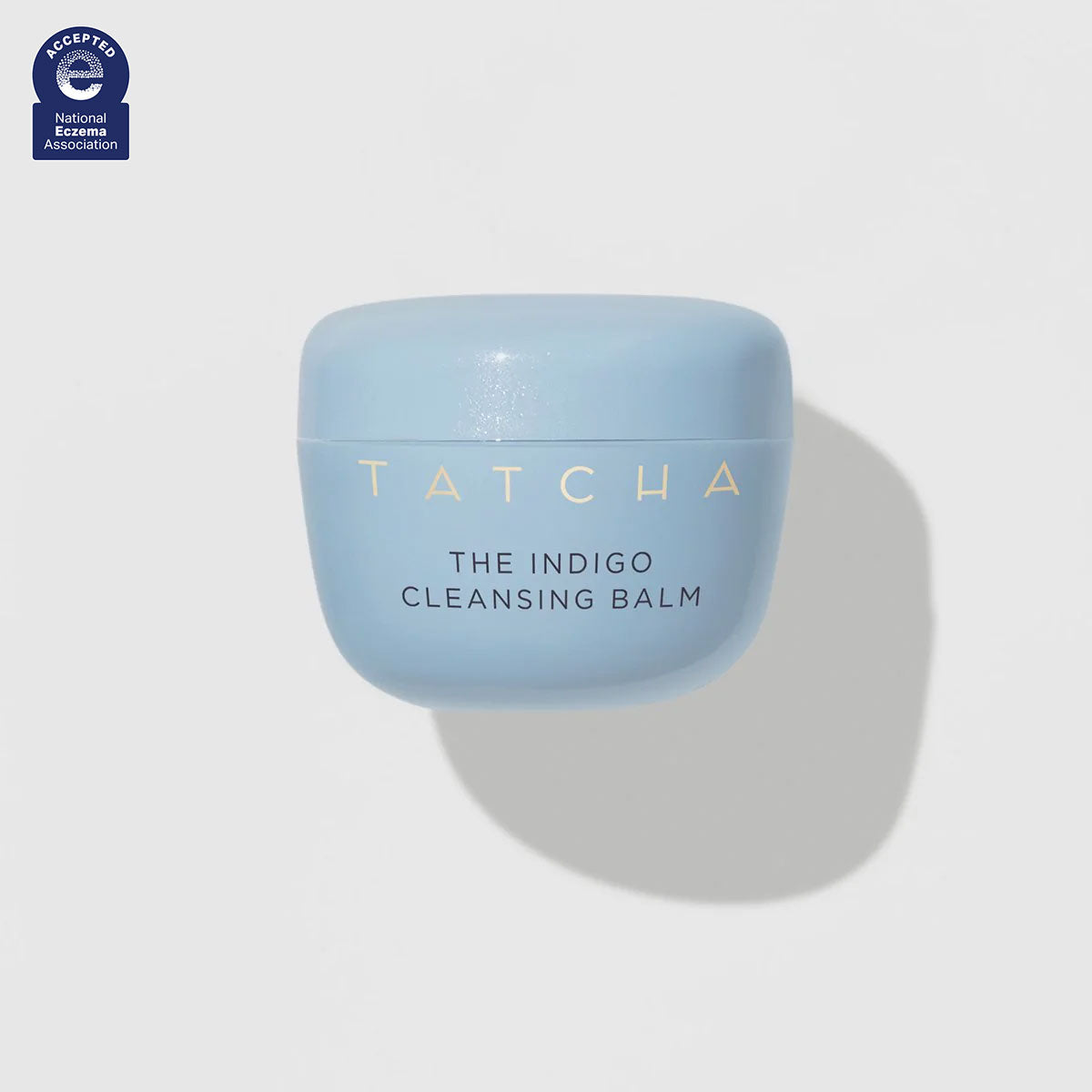
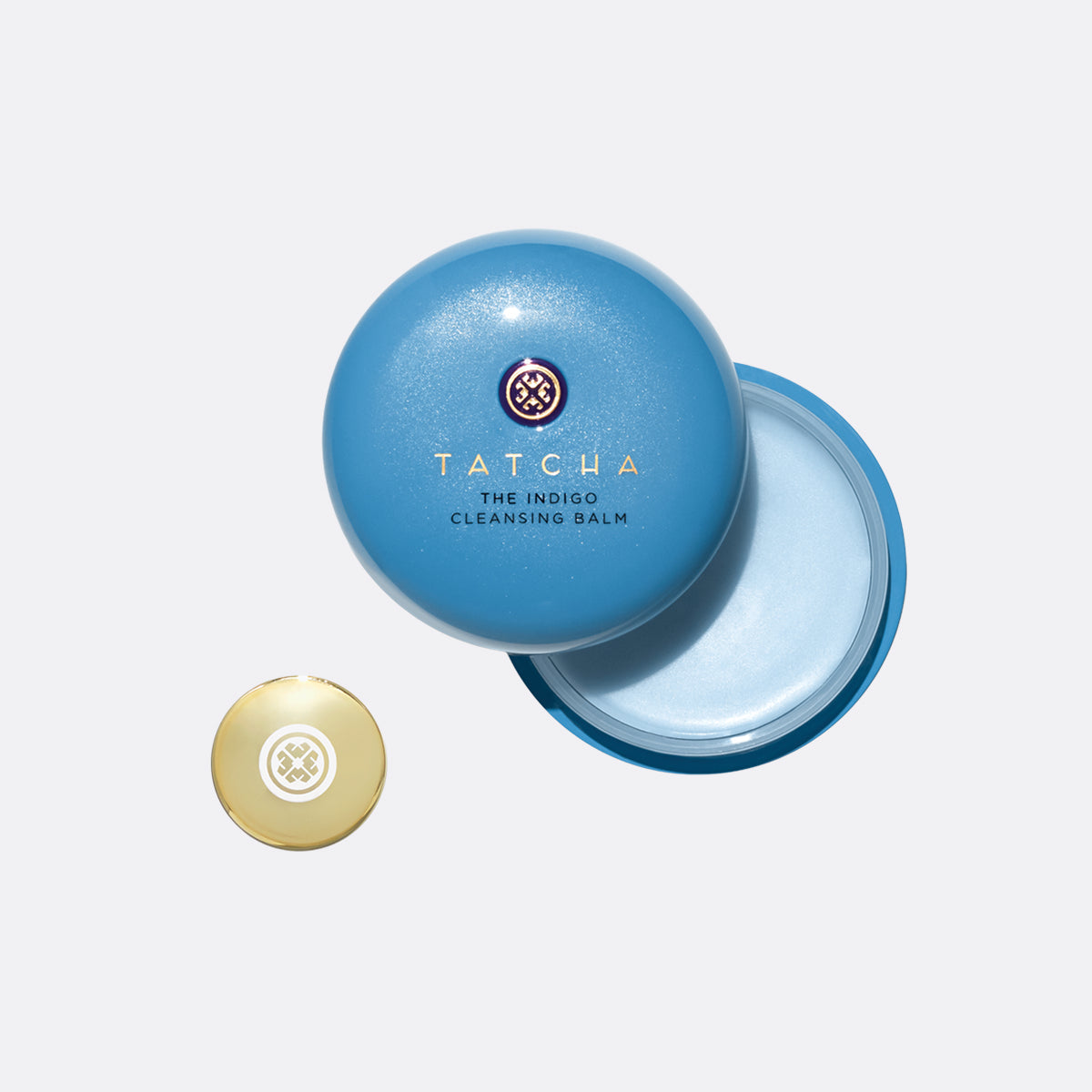
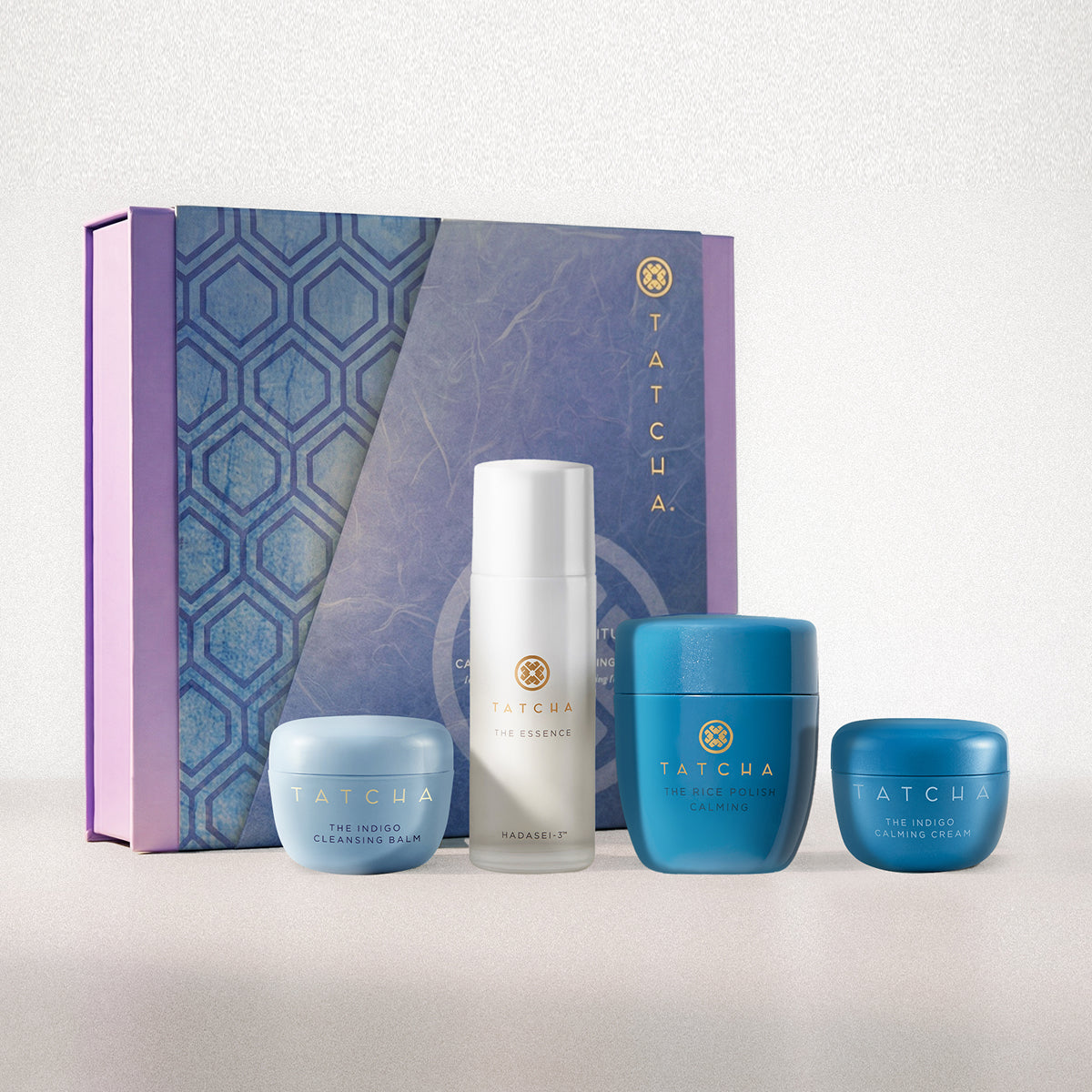
Sensitive skin types might also consider gentle product textures, like oil-based cleansers, when selecting their preferred formula. Tatcha’s Camellia Cleansing Oil is a great option; Oils are unique for how effectively they can cleanse skin while also imparting skincare benefits, like the vitamins and fatty acids found in tsubaki, or camellia oil. (According to the beauty record, geishas used tsubaki when cleansing their own skin.) There’s also Tatcha’s new Indigo Cleansing Balm, which distills calming indigo extract (more on that ingredient later) into a buttery, oil-based balm. Reactive skin thrives on stasis, so be wary of cleansers or exfoliators that promise quick, dramatic results.
How to moisturize sensitive skin
Moisturizing is more than simply ensuring skin stays hydrated. It’s an important step in shoring up your skin’s barrier function, and it becomes even more essential when it comes to sensitive skin.
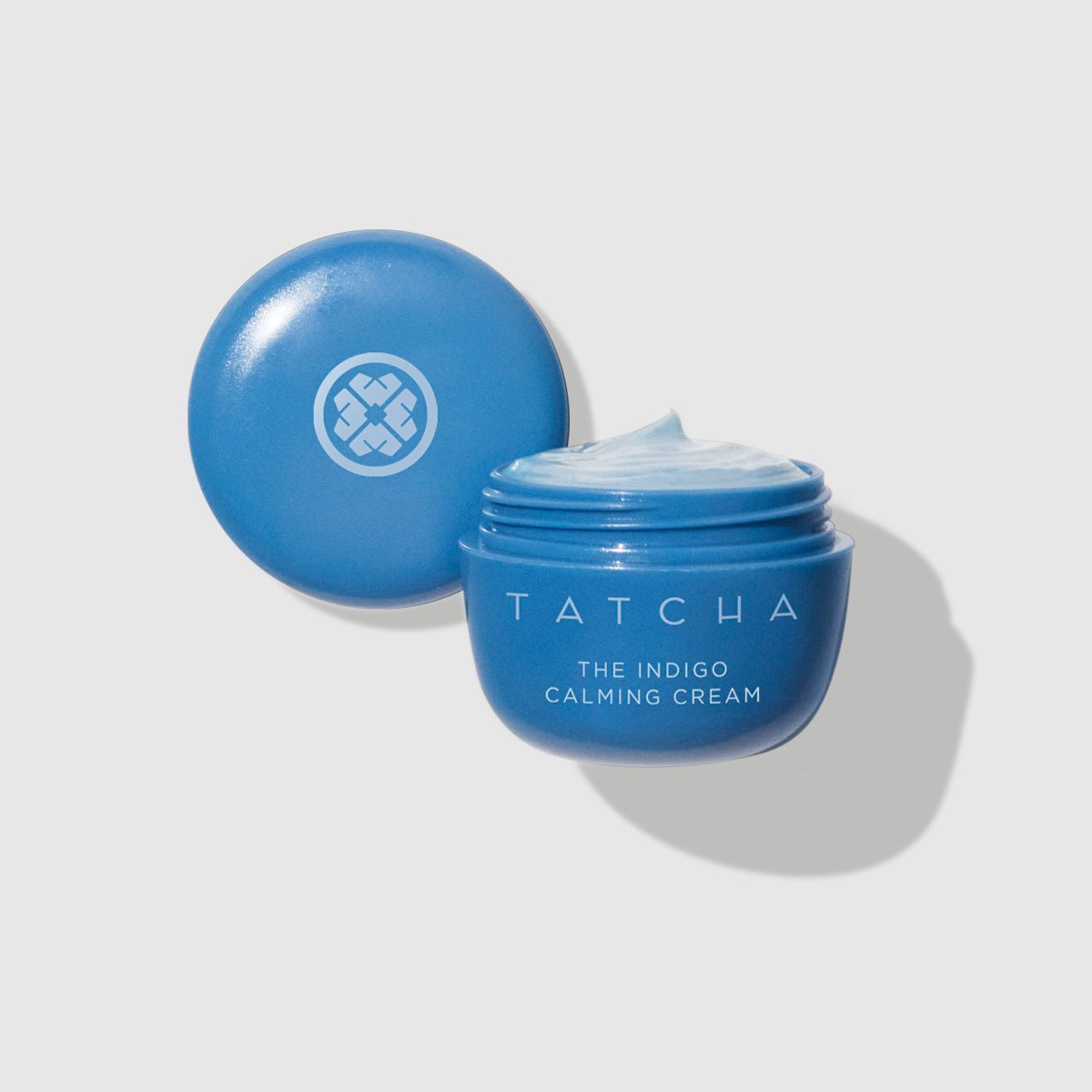
It’s a good idea to choose a moisturizer made with ingredients that are known to benefit sensitive skin, or are soothing in their own right. One of the best ingredients for sensitive skin might be an unlikely one: Indigo extract. You may be familiar with indigo dye, but the plant has shown holistic healing benefits for centuries—in skincare formulations, it’s supremely soothing. It provides the centerpiece for many of Tatcha’s sensitive skin formulas, like the Indigo Calming Cream. It’s a moisturizer, and more: It can also be used as a spot treatment for anywhere skin irritation appears.
Some experts posit that skin becomes more reactive in response to a weakened lipid barrier, which means moisture escapes, and irritants can enter more easily, making skin prone to dryness, which can exacerbate inflammation.
Many moisturizers beloved for sensitive skin use ceramides, or building block proteins that help reinforce your skin’s barrier. Tatcha’s Indigo Overnight Repair serum-in-cream is formulated with these critical ceramides, as well as Japanese indigo extract. (You may be familiar with indigo dye, but the plant has shown holistic healing benefits for centuries—in skincare formulations, it’s supremely soothing.) The Indigo Overnight Repair, like every product in Tatcha’s range, is formulated without synthetic fragrances, sulfate detergents, and many other potential irritants, making it a safe bet for sensitive skin.
How to make skin less sensitive
Now that you know how to care for sensitive skin, it’s natural to wonder: Can I make my skin less sensitive?
The answer is both yes, and no. According to dermatologists, our skin types can change, though they’re more likely to oscillate between oily and dry than sensitive and non. Sometimes, the use of corticosteroids, or other prescription topicals, can help skin become less inflamed. But if you have reactive skin, the odds are that it’ll stay reactive. The best thing to do is not test it by introducing too many routine elements. It’s possible to perform all of your necessary skincare—from cleansing, to exfoliating, to moisturizing—using gentle skincare products. But before you start to design your next routine, you may want to learn about ingredients that can actually help calm skin that is otherwise prone to aggravation.
How to calm sensitive skin
Certain ingredients are known for their skin soothing benefits. At Tatcha, we like Japanese indigo, both for its history—during the Edo period, samurai warriors believed garments dyed in indigo to have wound-healing properties—as well as for its well-documented skin soothing benefits.
The dye is created through the process of turning leaves from the Indigofera plant into powder, boiling the powder down into a rich liquid, and then fermenting the dye until it reaches its distinctive hue. Indigo’s active ingredients help provide impressive relief to skin. Tryptanthrin is a nitrogen-rich compound known to help flush away toxins and irritants, while Indirubin supports the skin’s natural barrier function, which is why it’s useful in everything from hand cream to an exfoliating treatment. Indigo is the centerpiece of Tatcha’s Calming Starter Ritual, which imbues a simple skincare set with the calming power of indigo.
Like any good practice, sensitive skincare requires consistency in order to see results. After all: The key to your skin type isn’t a single ingredient or product, but the good habits you build over time.