








T-House

The Best Lotions for Eczema
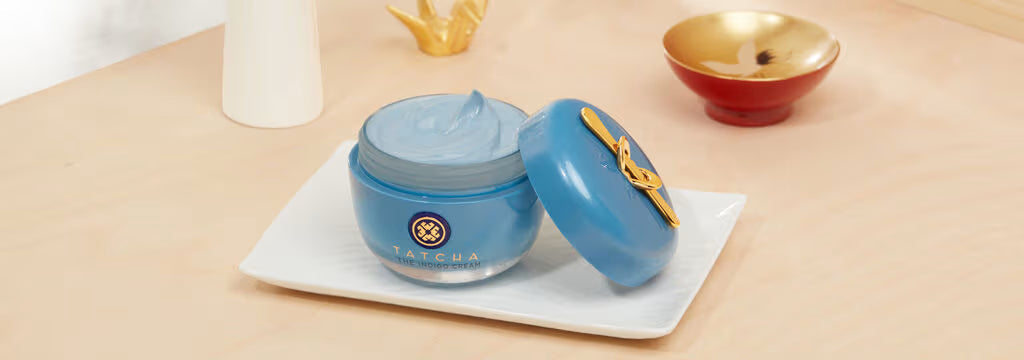
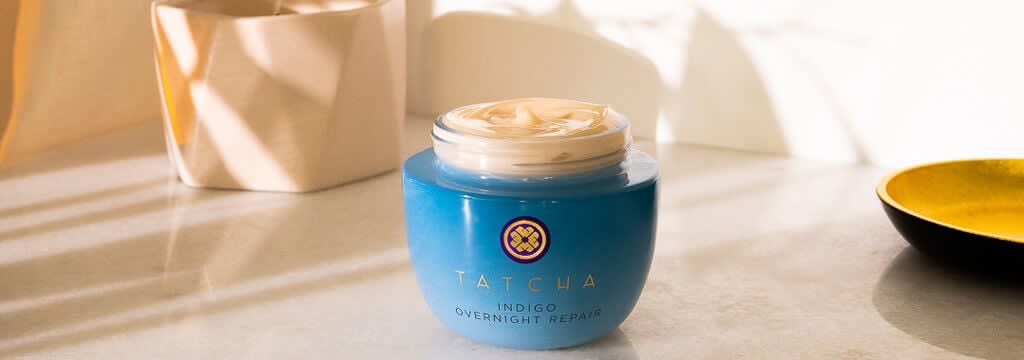
Those experiencing eczema can often feel frustrated by their own skin. The inflamed, often painful, flare-ups can seem to appear out of nowhere. While there are a lot of unknowns in the dermatological industry about eczema, there are equally as many groundbreaking discoveries. Below, we’ll uncover how zeroing in on your eczema triggers can be helpful, as is unlocking a skincare routine (we’ll talk about the best lotion for eczema – a particularly important product in your daily ritual). Keep reading for facts about eczema, potential triggers, and products and tips to help soothe irritation. What Is Eczema?Eczema is a condition that causes the skin to become itchy, inflamed, or have a rash-like appearance. There are seven different types of eczema, says the non-profit National Eczema Association (NEA for short), with atopic dermatitis being the most common. But eczema is simply a bucket term describing irritated, inflamed skin. If you experience eczema, you’re not alone—over 31 million Americans have some form of eczema, notes the NEA. It can begin during childhood, adolescence, or adulthood and it can range from mild to severe. While there is no cure for eczema, there are treatments that can help soothe and calm sensitive skin.What Causes EczemaFrustratingly, the cause of eczema is still unknown. But dermatologists do know it can be triggered by a handful of sources, including aging, seasonal changes, diet, stress, hormones, an overactive immune system, alcohol, and irritating skincare products. Eczema’s appearance can be as complex as its triggers, appearing differently on everyone. But, in general, eczema is usually itchy (sometimes painfully so), but can also include dryness, inflammation, roughness, oozing, and/or swelling. It often appears in red patches on lighter skin tones and gray, darker brown, or purple in people of color.Eczema’s TollThere is no shame in experiencing a chronic skin condition. But it cannot be understated how incredibly painful it can be to live with eczema—physically and emotionally. In a 2020 study analyzing the psychological impact of skin diseases, people experiencing eczema, psoriasis, and other skin conditions were more likely to have depressive symptoms, as well as feelings of isolation, loneliness, and overall “lower quality of life” compared to those without skin conditions.Best Lotion for EczemaMost with eczema can benefit from the guidance of a board-certified dermatologist. But it’s also helpful to consult with the NEA’s comprehensive Seal of Acceptance, which certifies the ingredients in the formula are safe for eczema-prone skin.An effective moisturizer is particularly important for eczema sufferers, as there is emerging science linking the skin barrier and eczema. A healthy skin barrier is one of the most helpful tools to overcoming skin issues. One way to build a vibrant barrier is through hydration. Hydration is vital for all skin types, but especially for eczema sufferers. Look for unscented creams that utilize healing ingredients, like ceramides, peptides, and hyaluronic acid. Bonus points if the moisturizer includes famed calming ingredients like indigo, colloidal oatmeal, and humectants.At Tatcha, we have a handful of eczema-friendly products. It’s one of the reasons Tatcha founder Vicky Tsai created the brand, after suffering from painful, full-body inflammation for years. Here are four lotion products that can help soothe sensitivity and irritation. Best Facial Lotion for Eczema Try: The Indigo Calming Cream For daily hydration, try this rich, soothing cream, which is not only beloved by users, but is one of the best creams for eczema on the face. The newly updated and fragrance-free Indigo Calming Cream delivers therapeutic results and powerful relief, thanks to potent Japanese indigo and colloidal oatmeal. Indigo is helpful, as the timeless healing ingredient provides powerful anti-inflammatory relief, while also promoting skin’s natural healing abilities. But colloidal oatmeal (an FDA-designated skin protectant) is what sets this innovative cream apart from others. The addition of colloidal oatmeal has helped earn it the coveted National Eczema Association seal of approval for its ability to soothe irritated, eczema-prone skin on the face and beyond. Whether as a face cream or spot treatment, The Indigo Calming Cream offers a luxurious way to heal visibly stressed or eczema-prone skin for a calmer, stronger skin barrier.100 percent of panelists in a clinical study saw an improvement in softness and suppleness immediately, an improvement in the appearance of the skin barrier after one week, and an improvement in visible redness and evenness of skin tone after four weeks. The emotional benefits of using the new Indigo Calming Cream are worth noting, too. In a clinical study self-assessment questionnaire, 86 percent of panelists noted that the product left them feeling like their skin was healthier after just one week. Best Facial Treatment for Eczema Try: Indigo Overnight Repair If you’re searching for an overnight treatment, try this healing balm, which visibly calms irritation and strengthens the skin’s barrier. The formula features the soothing powers of Japanese indigo, but also includes red sage root to calm irritation, ceramides to boost moisture reserves, and hyaluronic acid to deeply hydrate. In clinical studies, 100 percent of users saw an improvement in their skin barrier strength within four weeks. Best Hand Cream for Eczema Try: Indigo Soothing Hand Cream Hands are a common place for eczema, due in part to frequent hand washing. Consider this calming cream, which has a concentrated dose of indigo, silk extracts, and squalane for a restorative, softening treatment. Best Body Lotion for Eczema Try: Indigo Soothing Body Butter Best Starter Ritual Set for Eczema Try: The Indigo Starter Ritual If you’re unsure which products you’ll enjoy most or just want to test the indigo series out before purchasing the full-size treasures, try this starter ritual set. The kit includes The Camellia Cleansing Oil, The Rice Polish: Calming, The Essence, Indigo Overnight Repair, and The Silk Peony eye cream — for $74 (a $92 value).
What Are Ceramides? What Ceramides Do for Skin
Skincare can often veer away from ‘care’ and more into ‘irritating’ or ‘unnecessary’. But there are a handful of tried-and-true ingredients that are not only helpful but actually found naturally occurring in our skin. Which is where ceramides come into play. What Are Ceramides?Ceramides are fats, or lipids, found in high concentrations in the uppermost layers of our skin (called our epidermis). It’s estimated that up to 50 percent of our skin is composed of ceramides. Ceramides perform a vital task, creating a protective barrier on the skin, preventing water loss, and restricting the entry of external stressors. Basically, ceramides help the skin function properly, working to protect and restore the skin barrier. Skin barrier protection is arguably their most important quality, as a healthy barrier keeps skin looking and feeling hydrated and radiant.What Do Ceramides Do for Skin?Ceramides perform beautiful and necessary tasks for our skin. They’re incredibly beneficial when added to everyday skincare products and have been shown to increase hydration and soothe irritation. They strengthen the skin barrier, prevent dehydration, and inhibit moisture loss.Ceramides in SkincareIf skin is already partly ceramides, why do we need ceramide-based products? Unfortunately, our natural reserve of ceramides decrease with time and is especially depleted by several factors, including aging, sun exposure, and environmental damage. This decrease in our natural ceramides can leave skin looking dull, dehydrated, and visibly worn.Who Can Benefit from Ceramides?The more apt question is “Who can’t benefit from ceramides?” Because ceramides are naturally occurring in our skin and begin decreasing around the age of 20, almost everyone can benefit from ceramide-boosted skincare products. They’re safe for all skin types, pair well with all ingredients, have no side effects, help prevent dehydration, and are naturally skin-strengthening.There are skin types that might especially appreciate ceramide in skincare though, including dry, dehydrated, and aging skin. For aging skin, ceramides can increase the skin's moisturization levels and have been shown to minimize the appearance of fine lines and wrinkles.Best Ceramide Skincare ProductsConsider adding a ceramide-boosted moisturizer or treatment to your skincare routine, which can help to protect skin from dryness and irritation, plus maintain skin’s overall health. Here is one of our favorite ceramide skincare products.Consider the Indigo Overnight Repair, which is a cushiony cream that visibly calms irritation, strengthens the skin’s barrier, and balances the skin’s natural microbiome. The formula proudly includes a hefty dose of ceramides to keep moisture in and pollutants out, as well as aid in the appearance of fine lines and wrinkles. After just a single night of use, the treatment has been shown to improve skin’s radiance, softness, and suppleness, as well as improve texture and tone.

The Best Fine Line Serum
Fine lines and wrinkles tend to be clumped together, collectively maligned for their proximity to the notion of aging. But fine lines are surprisingly not the same thing as wrinkles. Below we’ll break down what fine lines are, the common causes, and how to treat them, including the best serum for fine lines. What Are Fine Lines? They’re basically baby wrinkles. Fine lines are the basis of wrinkles, a precursor, appearing as faint creases on the skin’s surface. They’re often one of the very first signs of aging, the shallow lines forming along commonly used expression lines. Wrinkles are deeper creases and folds and are more permanent, while fine lines are surface-level and somewhat treatable with targeted products and treatments, like a fine line serum. It may seem inconsequential but scientists in clinical trials differentiate fine lines from wrinkles by depth. Folds that are 1 to 2 mm in depth are considered fine lines, while wrinkles are 2 mm or deeper. What Causes Fine Lines? Just like many aspects of the skin’s surface, fine lines have multiple causes. Here are a few of the most common reasons for fine lines. Facial Movement This does not mean you should stop emoting — your specific facial expressions are part of you and make you special and unique. But facial movements, moving parts of the face in consistent and continuous ways, are one of the common reasons for fine lines. According to the American Academy of Dermatology, continued contracting of the same muscles can lead to fine lines, and with time, those fine lines mature and turn into deep wrinkles. Natural Aging Process It’s normal and natural for your skin to lose some of its fullness and become thinner and drier as you age, this is part of the natural aging process. This loss of collagen and elasticity naturally causes skin to form fine lines easier. Sun Exposure The most common denominator between any skin woe is sun exposure. The sun and your complexion are not friends. Sun exposure can all age your skin faster than it naturally would, leading to premature lines, according to the AAD. Lifestyle Choices Not to sound like a broken record, but lifestyle choices, especially smoking and excessive drinking, can cause not only significant damage to your body, but your skin, too. The AAD notes that smoking greatly speeds up how skin ages, causing wrinkles and a dull, sallow complexion. Alcohol is also rough on skin, causing extreme dehydration and damage. Additionally, if you are what you eat, your skin is a reflection, showcasing the tale of your overall health. Many scholarly studies have linked a healthy, plentiful diet with skin health, and adversely, many studies have found excessive sugar and refined foods can accelerate skin aging. Skincare Ritual Products that cause skin irritation directly accelerate skin’s aging process, says the AAD. Tatcha was built upon the idea of gentle and soothing products, and the AAD agrees: grab products that don’t irritate, burn, sting, or inflame the skin. Dehydration Its possible features we associate with early aging are actually signs of dehydrated skin. Fine lines are especially a common misdiagnosis and a frequent occurrence when skin lacks moisture. Choosing a Serum For Fine Lines A lot of products within the skincare industry make bold claims about diminishing or eradicating fine lines and wrinkles. It’s easy to dismiss this as marketing talk, but your skincare routine does play a huge part in keeping fine lines at bay. The AAD recommends layering a serum underneath a moisturizer to maximize hydration levels and minimize the appearance of fine lines. (And, of course, wear sunscreen every single day, and treat skin with care and kindness, ensuring you not only use gentle products but also apply them gently.) Why are serums so effective? Serums are particularly helpful at targeting these common aging signs because they are highly potent skincare solutions that work to increase the overall effectiveness of your entire skincare ritual. Utilizing a fine line serum is one of the best tricks to maintaining healthy-looking skin all day long, making it one of the most important tools in your aging skin arsenal. Here are the best serums for fine lines. For Dry Skin and Fine Lines: Consider our Dewy Serum, which works to nourish and plump the skin. This is thanks to its deeply hydrating blend of squalane and hyaluronic acid — the latter of which is one of the most important hydrating ingredients to incorporate into any skincare routine. For Pigmentation and Fine Lines: If dullness and sun spots are more of a focus, grab the Violet-C Brightening Serum. The formula includes two forms of Vitamin C and is stabilized by antioxidant-rich Japanese beautyberry, helping to reveal brighter skin and a more translucent, youthful glow. Mild fruit alpha hydroxy acids (AHAs) resurface dullness and uneven skin, while angelica root helps to reduce the look of fine lines, dark spots, discoloration, hyperpigmentation, and post-acne scarring. For Fine Lines and Wrinkles: Say hello to our newest and most innovative serum yet, The Silk Serum. You’re likely familiar with the wrinkle-smoothing powers of retinol, but also its potentially painful and complicated application process. Our R&D team at the Tatcha Institute has been searching high and low for years for an uncomplicated, easy-to-use, and powerful retinol alternative. After extensive testing, they have perfected The Silk Serum, which delivers the wrinkle-smoothing power of retinol in a potent alternative with the highly effective duo of plant-based alternatives: upcycled cranberry extract and sea fennel. Together, the duo acts on the same factors as retinol to support natural skin turnover, minimize the appearance of fine lines and wrinkles, and give the look of collagen-rich skin. Unlike Vitamin A derivatives, which must be started slowly to build up a tolerance, The Silk Serum is made to use when you want, up to two times daily starting day one. No ramp-up time or complicated skin cycling is necessary. This also means gentle, effective results from day one.

How to Reduce the Appearance of Forehead Lines
Forehead lines, the lines across the forehead and between the eyebrows, are one of the most common signs of aging. Forehead lines are so common because they’re caused mostly by simply moving your face. Repetitive, daily facial expressions and movements are one of the main causes of forehead lines (as well as a handful of other culprits, which we’ll discuss below). But if you’d like to address them, there are plenty of simple, at-home solutions to treat the appearance of fine lines. From facial massage to serums, here’s how to reduce forehead lines, once and for all. What Causes Forehead Lines? Aging Time is one of the common denominators for forehead lines. As we age, collagen and elastin production declines, naturally causing the formation of fine lines. Also, over time, continuous facial movements and expressions eventually develop into fine lines and wrinkles. Each time you use a facial muscle, a groove forms beneath the surface of the skin, says the Mayo Clinic. As skin ages, it loses its flexibility and is no longer able to spring back in place, causing these grooves to then become permanent. These repetitive movements, from emoting, speaking, and laughing are proof of a life well lived, but they can also eventually cause fine lines. Genetics Skin aging is a complex process with various factors, one being genetics. Genetics can determine skin structure and texture, as well as affect how lines form on our face. Sun Exposure Sun exposure is the primary cause of wrinkles and fine lines, adds the Mayo Clinic. They note that excessive UV exposure breaks down the skin’s collagen and elastic fibers deep in the dermis layer. Without these connective tissues, skin loses its strength and flexibility, leading to premature fine lines and wrinkles. This is particularly prominent on the forehead, where sun exposure is more frequent. Air pollution exposure is also a common issue for forehead lines. Not only is it troubling for the rest of the body, but air pollution alters our skin’s protein and causes inflammation. This can lead to fine lines and wrinkles. Lifestyle Choices Smoking and excessive alcohol consumption can accelerate the skin’s normal aging process rapidly. Stress and Sleep Those with moments of high stress and less restful sleep are already experiencing difficulty in their everyday lives. Sorry to add fuel to the fire, but stress reduces your skin’s natural elasticity, leading to potential fine lines — especially on the forehead where the furrowing of your brow is common in stressful situations. Additionally, it’s been proven that beauty sleep is very real. Cell repair and collagen synthesis occur when you get a restful night of sleep, but don’t happen as intensely overnight when you’re receiving less than six hours of sleep. How To Get Rid of Forehead Lines We believe that aging is a gift, and fine lines and wrinkles are not unsightly. But, if you would like to address the appearance of forehead lines, there are a few at-home solutions to consider. Skincare Fine lines can see improvement with sun protection (most importantly), antioxidant-boosted serums, and hydrating moisturizers. Also, effectively cleansing the skin is vital, too. See below for a few products that will help you reduce lines on your forehead. Facial Massage With the endless announcements of high-tech facial tools, it’s easy to dismiss the ancient art of facial massage. But facial massages, especially techniques perfected in Japan, are one of the most beneficial beauty regimen enhancements. The quick, twice-a-day facial massage technique our founder Vicky Tsai swears by promotes skin circulation, which addresses puffiness, dullness, and fine lines. “I like to incorporate facial massages into both morning and evening rituals,” notes Tsai. She notes there are innumerable ways to perform facial massages, but the one key tip is always to move upward and outward from the center of the face. Treatment for Forehead Lines Ask just about any facialist, skin expert, or dermatologist how to prevent forehead wrinkles and they will likely tell you to start implementing a daily skincare routine. Skincare is one of the best first lines of defense. Here are a few products proven to aid in reducing forehead lines. Sunscreen It's imperative to protect your skin with sunscreen, wearing it each and every day. Modern sunscreens – whether they are chemical, physical, or a blend of both – are wonderfully advanced and not only protective, but oftentimes have cosmetic benefits that improve the skin’s overall health. Consider the Silk Sunscreen, which is silky, lightweight, and invisible with 50+ mineral broad-spectrum coverage. The sheer liquid provides 50 broad-spectrum protection against UVA and UVB rays, with 10 percent zinc oxide for a mineral, reef-safe filter. But it also helps to improve the overall appearance and health of skin while wearing it, too, as well as address forehead lines. The Silk Sunscreen contains niacinamide to visibly even skin tone, reduce redness, and visibly firm the look of pores. Plus it has a hefty dose of hyaluronic acid to immediately boost skin’s natural moisture levels, softness, and skin tone. Plus the SPF has silk, which allows the silky liquid to provide a protective veil of hydration without weighing skin down. Vitamin C Antioxidant-boosted skincare, especially products containing Vitamin C, can be wonderfully beneficial for protecting the skin from further damage from free radicals and improving the appearance of hyperpigmentation and fine lines. Try a Vitamin C serum, like the Violet-C Brightening Serum, which has two forms of Vitamin C and antioxidant-rich Japanese beautyberry, to reveal brighter skin and a more translucent glow. Mild fruit AHAs resurface dull, uneven skin and address the look of wrinkles, while Japanese angelica root helps to reduce the look of dark spots, discoloration, hyperpigmentation, and post-acne scarring. Moisturizer Consistently incorporate hydrating moisturizers into your routine twice a day to help plump and lock in healing hydration. This not only allows the skin to look its best, but it helps skin recover and repair properly, and thus helps to plump the appearance of forehead lines and wrinkles. Those with dry skin should look for products that contain hyaluronic acid and occlusives for all-day hydration. Consider The Dewy Skin Cream, which is a rich, moisturizing formula that plumps skin for a dewy, healthy glow. The cream is wonderful at increasing hydration, radiance, plumpness, and overall texture and firmness, thanks to antioxidant-packed Japanese purple rice, Okinawa algae, hyaluronic acid, and our superpowered Hadasei-3 Complex (a trinity of Japanese superfoods that restore healthy radiance). For those that prefer a lightweight gel moisturizer, consider The Silk Cream, which is perfect for almost any skin type (and fine-line-prone skin will love it!), thanks to a trinity of fermented Japanese superfoods, which restores healthy-looking radiance. The visibly firming moisturizer also has a complete liquid silk protein, which parallels the amino acid structure of human skin to super hydrate your skin’s surface, helping to minimize the appearance of forehead lines. Sensitive skin? Acne-prone? Extremely dry skin? We’ve got a moisturizer for that, too. Here’s a helpful guide to picking the best moisturizer for your skin type. Retinol-Alternative Serum Retinols are the talk of the forehead-line-fighting town — but they’re wildly complicated and difficult to use. Try a proven retinol alternative that can mimic the wrinkle-fighting benefits of retinol, minus the painful side effects. Consider our newest and most innovative launch yet: The Silk Serum. Unlike Vitamin A derivatives, which must be started slowly to build up a tolerance, The Silk Serum is made to use when you want, up to two times daily starting day one. No ramp-up time or complicated skin cycling is necessary. The Silk Serum also includes silk, which nourishes and softens for a healthy-looking complexion, as well as our beloved Hadasei-3 proprietary complex to hydrate and support the skin barrier. Together, the serum delivers the power of retinol without compromising, making it one of the best serums for diminishing the appearance of forehead lines.

The Best Retinol Alternatives for Healthy, Smooth Skin
With new skincare formulations launching weekly, deciphering what’s right for your skin begs complicated questions. Skincare dictated by calendar schedules? Unexpected, potentially irritating reactions? Confusing percentages? Retinol can provide potentially beneficial results, but it also comes with complications. At Tatcha, we believe your skincare routine shouldn’t require its own calendar. Instead, our kind-to-skin Japanese philosophy supports skin’s healthy barrier function, while never being too aggressive. Bottom line: Retinol is complicated! But retinol alternatives are not. These potent botanical ingredients can mimic the benefits of retinol without any of the confusing woes. Below, we uncover the best retinol alternatives and how they can benefit your skin. Cranberry Extract The humble cranberry is surprisingly a superfood. Indigenous to the North American continent, cranberries contain a long list of skin benefits and are also a wonderful natural retinol alternative. Extracted from the cranberry fruit, cranberry extract is full of antioxidants, collagen, and elastin that support the skin’s healthy appearance, radiance, and barrier function. The superfruit is also a potent active ingredient with natural peptides that address the appearance of aging, helping to boost skin structure and firmness. With consistent usage, the cranberry extract eases dryness, reduces the appearance of wrinkles, and imparts skin with a healthy glow. The extract also helps maintain skin’s natural homeostasis, while plumping and supporting the barrier for smoother, more radiant-looking skin. Sea Fennel Sea fennel is a marine botanical, grown in or along the water. Commonly used in the kitchen, thanks to its tasty, salty notes, sea fennel is also a wonderful addition to your skincare routine. It naturally has retinol-like properties, stimulating the skin to increase collagen production as well as helping with skin’s natural exfoliation process. Sea fennel is packed with radiance-boosting ingredients, like Vitamin A, C, and E, plus peptides. Sea fennel’s natural iteration of Vitamin A is much more gentle on the skin’s surface, allowing it to exfoliate, reduce pigmentation, and boost collagen, while remaining calming and soothing to the skin. In fact, the extract generates zero inflammation on the skin, meaning it’s incredibly soothing to the skin’s barrier. Sea fennel’s Vitamin C zeros in on skin’s overall brightness, while Vitamin E protects and hydrates skin, preventing moisture loss. Lastly, the extract’s peptides help to support skin’s firmness, smoothness, and youthful appearance. Sea fennel is a wonderful retinol alternative for sensitive skin. It helps skin’s natural exfoliation process and provides retinol-like results while calming and soothing. Bakuchiol Bakuchiol is a botanical extract derived from the psoralea corylifolia plant. The potent antioxidant may be a tricky name to pronounce, but it’s worth remembering: bakuchiol is a wonderful retinol alternative for sensitive skin. One of retinol’s greatest weaknesses is sun sensitivity. But that’s precisely where these natural retinol alternatives shine — all three are not sun sensitive, meaning they can be applied during the daytime and won’t cause skin sensitivity to the sun. Backuchiol’s popularity has been piquing in the last few years, and science can back up its hefty claims too. In a 2019 clinical trial, bakuchiol was proven to address signs of aging, helping to decrease the appearance of fine lines and wrinkles, plus decrease signs of hyperpigmentation, just as significantly as retinol, but without the scaling or stinging. Bakuchiol has proven it can stimulate collagen and aid in cellular turnover, making it a promising (and more tolerable) alternative to retinol. At Tatcha, we’ve never formulated with retinol. Not only do we believe in caring for and nurturing the skin, but the potent ingredient has the potential for irritation, skin barrier degradation, and even the risk of birth defects. Plus, there are so many incredibly inventive retinol alternatives available today, many that can mimic retinol and provide impressive results. Our Japanese philosophy believes in putting the care back into skincare. Best Retinol Alternative The R&D team at the Tatcha Institute has been searching high and low for years for an uncomplicated, easy-to-use, and powerful retinol alternative. After extensive testing, they have found the best results with a highly effective duo of plant-based retinol alternatives: upcycled cranberry extract and sea fennel. Together, the duo acts on the same factors as retinol to support natural skin turnover and give the look of collagen-rich skin. We’re pleased to introduce you to The Silk Serum, an innovation in retinol alternatives, which delivers the wrinkle-smoothing power of retinol in a positively potent alternative you can trust. Unlike Vitamin A derivatives, which must be started slowly to build up a tolerance, The Silk Serum is made to use when you want, up to two times daily starting day one. No ramp-up time or complicated skin-cycling is necessary. In addition to these impressive retinol alternatives, The Silk Serum also includes silk, which nourishes and softens for a healthy-looking complexion, as well as our beloved Hadasei-3 proprietary complex to hydrate and support the skin barrier. Together, the serum delivers the power of retinol without compromising. Not only is The Silk Serum effective, it’s ethically made. Tatcha’s potent botanical extracts are sourced from companies that are committed to sustainable and responsible practices. To extract the fruit, an innovative process called eco-extraction is utilized to reduce energy consumption and waste, while also preserving the ingredient’s quality and potency. The cranberry fruit extract is upcycled, utilizing a vital part of the fruit commonly discarded. And the sea fennel is sustainably harvested on the Brittany coast of France, particularly selected for its ethical and certified harvesting practices.

Winter Skincare Routine - 10 Tips to Combat Dryness
Wintertime can be especially harsh on skin — cold and dehydrating air, freezing dips in temperatures outside mixed with dry heat inside, and winds that can leave skin blisteringly uncomfortable. Regardless of your skin type, winter is when most of us need to adjust our skincare routines. The change of seasons is a perfect time to call for a reevaluation — recalibrating or enhancing the usual ritual to fit your skin’s new needs. Safeguard and cold-proof skin with a few quick swaps, all in the name of staving off winter woes. Whether you adapt your routine with a few of these tips (or all of them), the hope is to combat dryness and soothe skin come wintertime. Discover your best winter skincare routine with these 10 essentials to fight dehydration and irritation this chilly season. A Creamy Cleanser Shelf that harsh cleanser, and replace it with a soothing, calming option. Morning and evening, wash with a gentle cleanser. This is particularly important in the evening, when removing the day’s SPF, excess sebum and dirt, and makeup (if applying). Our founder Vicky Tsai has perfected her cleansing oil application. “To use a cleansing oil, always begin with dry hands and a dry face,” she says. “Fill your palm with a shallow well of oil and, using your fingertips, gently massage it onto your face – including around the eyes, plus lids – for 15 to 20 seconds. (Not all cleansing oils are safe for use around the eyes, so be sure to check the label.) Splash water onto your face and watch the oil quickly emulsify into a milky layer and effortlessly melt away makeup and debris. Rinse off with a few handfuls of warm water or softly wipe away with wet cotton pads. Oil cleansers are gentle and effective for all skin types.” Also, a word of caution for those who experience blemishes: “Avoid cleansing oil formulas with mineral oil, which is known to clog pores, especially if you’re prone to breakouts,” notes Tsai. Try: Massage on our bestselling Camellia Cleansing Oil, which is formulated with camellia oil to gently remove stubborn makeup (even waterproof formulas), melt away excess oil, and nourish skin to feel softer than silk. A Gentle Exfoliant It can seem counterintuitive to exfoliate when skin is dry, but a gentle exfoliant helps naturally shed the buildup of flaky dead skin cells. And that exfoliation will help your essence, serum, and moisturizers work much better too. Try: Our natural enzyme exfoliant, The Rice Polish, removes impurities while also providing potent antioxidants and nourishing moisturizers. Many exfoliants contain harsh abrasives and can only be used weekly, but The Rice Polish is gentle enough to be used every day and is a perfect addition to your winter skincare routine. Wet your palms and splash a handful of warm water onto your face. Pour half a teaspoon of powder into one hand and gently rub your palms together to create a creamy, luxuriant foam. Massage gently with your fingertips onto your face in circular motions for 10 to 20 seconds, avoiding your eyes. Rinse well and pat your skin dry with a soft face cloth. “When activated with water, rice powder not only decongests your pores, but also brightens skin tone, diminishes hyperpigmentation, and enables skin to better absorb the next steps in your ritual,” says Tsai. “Many conventional Western exfoliants contain seeds, salt, or ground shells that can tear and tug at the skin — even weekly use can cause irritation. Rice powders are beloved because they can be used every day without stripping or pulling at your skin. Instead, the foam delicately removes the dead skin cells that make your complexion appear dull.” A Soothing Essence It may appear like the classically delicate, almost water-like liquid is insignificant when it comes to fighting chronically dry skin, but looks can be deceiving. Essences are one of the most beneficial additions to your daily skincare ritual, especially during the winter. “A water-light essence floods skin with hydration and amplifies the performance of any treatment – including sheet masks and serums – by channeling it into the skin,” says Tsai. “The essence, which is patted to the skin twice daily after polishing, should always precede any ritual enhancements like brightening serums, deep moisture treatments, or beauty oils,” she adds. “You may be so enamored with the plumpness of your skin and its resulting luster that you’re tempted to skip the next step. Don’t. The most important job of the essence and its primary function is to make the skin ready for whatever treatment follows. The essence is the first act of giving back to your skin after you have shed impurities by purifying and polishing. Though it takes only seven seconds to apply essence, the act reminds me that many major life events happen in mere moments. Now that I am a devout believer in the plumping power of essence, I look forward to this part of my ritual the most.” To amplify the benefits, use the essence twice daily on a dry face, after cleansing and before applying any additional skincare steps. Pour a shallow well of essence into one hand, press your palms together, and then gently pat the essence into the skin of your face, neck, and décolletage. Try: The Essence which boosts the effects of skincare, resurfaces, and hydrates for primed, plump, and petal-soft skin. Not all liquids are created equal though — look for essences with skin-replenishing ingredients and avoid drying, sensitizing ingredients (like clays, essential oils, and denatured alcohol). A Hydrating Serum Layering on extra hydration during colder seasons will restore lost moisture and relieve dry, thirsty skin. And a super-boosting serum can deliver a much-needed dose of hydration to return skin to the supple, bouncy radiance lost over the wintertime. Morning and evening, apply a skin-replenishing serum to the face and neck, no need to rinse. Using your fingertips, massage serum into your skin in upward circular strokes. Try: The Dewy Serum is beautifully restorative and replenishing, and particularly great for achieving smoother, plumper, and dewier skin. A Rich Moisturizer A richly restorative moisturizer is a no-brainer when it comes to soothing itchy skin in the winter. Dry skin loves pampering, so hydrate with a rich cream that rejuvenates. When it comes to moisturizer application, place a pearl-sized amount of moisturizer onto your palm and dot to each cheek, your chin, and your forehead. Then, using your fingertips, massage gently in upward and outward strokes. “My rule for choosing a moisturizer is to look for an antioxidant-rich form that suits your skin type,” says Tsai. “If your skin is dry, opt for a rich cream or beauty oil. If your skin is more oily in profile, try a lighter gel or lotion.” Try: Grab a plumping, hydrating rich cream, like the award-winning Dewy Skin Cream. The antioxidant-rich formula not only hydrates (thanks to hyaluronic acid), but also combats the effects of free radicals, protects the skin, and strengthens the skin barrier. Have oily skin or acne-prone skin? Managing it during cold and dry winter months doesn’t necessarily mean loading up on heavy-duty moisturizers. Aim for a series of lightweight products (think essence, serums, and a gel moisturizer) that provide replenishing ingredients without weighing skin down. Try The Water Cream, a clarifying water-based moisturizer that releases a burst of hydrating nutrients and pore-refining botanicals for balanced skin. A Nourishing Face Oil Seal the series of moisture-loving products by applying a face oil immediately after a moisturizer. This acts as a protective shield, keeping all the moisture-boosting layers intact and preventing product evaporation. Apply two to three drops to your fingertips and rub them together to warm the oil. Gently pat the oil all over your face, pressing it into your skin. Choose non-comedogenic oils, like macadamia nut oil, rice bran oil, and camellia oil. Try: Our Gold Camellia Beauty Oil is formulated with extra virgin Japanese camellia oil and 23-karat gold, locking in moisture, adding instant nourishment, and infusing your skin with radiance. A Lip Treatment If you seem to suffer from chronically flaky and parched lips in the winter, restore your pout with a leave-on treatment. Try: Grab the bestselling Kissu Lip Mask, which features squalene, Japanese peach, and camellia oil to nourish, calm, and restore lips’ lushness. Massage a generous, even layer onto clean, dry lips and leave it on to soak in indefinitely. The treatment can be used any time of day, but particularly right before bed is ideal. An Overnight Face Treatment If you want to ramp up and enhance your beauty sleep and give your skin a super-hydration boost overnight, apply a mask to your face, eye area, and neck as the last step in your nighttime ritual (use in place of your usual evening moisturizer). You’ll awake to unbelievably glowing, smooth skin. Try: The new Indigo Overnight Repair treatment, which visibly calms irritation, strengthens the skin’s barrier, and balances the microbiome. After a single night, the intensive treatment makes skin appear more radiant and supple, softer, and even visibly less red and irritated. A Hydrating Sunscreen Sunscreen is not just a summer must-have. You need SPF year-round. But not all sun protection is created equally — grab a formula that has hydrating ingredients, like niacinamide and hyaluronic acid. Try: Our newest SPF innovation, The Silk Sunscreen, which has both power-house hydrating ingredients of niacinamide and hyaluronic acid, plus a fluid, silky texture that invisibly melts into the skin. And most importantly, the formula has SPF 50 protection from both UVA and UVB rays. A Moisture-Locking Eye Cream The delicate area around your eyes is one of the most sensitive spots on your entire body. The skin doesn’t have as many oil-producing glands or collagen as the rest of the face naturally produces, so it needs some extra TLC, especially come winter. Nourish the precious area with a rich, hydrating balm. Try: The Silk Peony, the bestselling cushiony cream is known for its ability to deeply moisturize while also visibly diminishing fine lines. Ideal for anyone, but particularly those in need of a deep hydration boost. Sense a theme with these 10 products? Gentleness, hydration, and protection. Winter is no time for harsh treatments or barely-there moisturizers. For the best winter skincare routine, cocoon skin in layers of juicy moisture — from your eye area to your lips, ensuring your skin looks not only healthy but also happy this winter season.
The Best Products & Treatments for Uneven Skin Tone
We can treasure our skin, nourishing it with the utmost care daily – but still experience uneven skin tone. From dark spots to dry patches to redness, uneven skin tone can unexpectedly occur without much notice. The causes are as vast as the symptoms, too, from genetics to harsh products, so understanding the triggers of uneven skin tone can help you get to the root cause. But fear not, we’ve compiled this guide to understanding uneven skin tone – what is it, what causes it, and ways to improve it. All in order to restore your skin to a youthful, radiant glow. What Is Uneven Skin Tone?Uneven skin tone is characterized by skin discolorations and changes in skin texture. It is an umbrella term for multiple issues, including (but not limited to) dark spots, hyperpigmentation, dry patches, blotchiness, redness, and even blemishes. No matter your skin type, anyone can experience uneven skin tone.Uneven Skin Tone AppearancesBecause uneven skin tone is a broad term, there are multiple ways that the issue can present itself on the skin’s surface. Here are a few signs you may be experiencing uneven skin tone. Acne: Clogged pores that lead to blackheads and whiteheads may become inflamed, red pimples. Acne is caused by many sources, but irritation in your pores is one cause. Dark spots: Light brown or darker spots that develop on the skin after sun exposure and sunburn. Melasma: Brown or gray patches on the nose bridge, upper lips, cheeks, and forehead. This is usually caused by hormonal changes and is a type of hyperpigmentation. Dark circles: These are also known as periorbital hyperpigmentation, and can often be accompanied by under-eye bags. Post-inflammatory erythema (PIE): Red or pink patches that appear due to inflammation or damaged blood vessels. Post-inflammatory hyperpigmentation (PIH): Brown spots that form in response to skin inflammation or trauma. Rosacea: A skin condition characterized by redness and pimple-like bumps on the face. Dry patches: Rough, flaky, and/or inflamed patches on the skin that are triggered by external (skincare products, allergies) or internal factors (dehydration, chronic skin conditions). Uneven Skin Tone CausesJust as there are multiple ways that uneven skin tone can appear, there can also be multiple causes. Hormonal changes: Melasma is often linked to increased levels of estrogen and progesterone, which appear as brown or gray patches on the skin. This also frequently occurs during pregnancy. Hence why melasma is often referred to as “the mask of pregnancy.” Aging: As part of your skin’s natural aging process, you may discover age spots, fine lines, and wrinkles. Genetics: Certain skin disorders are hereditary, including psoriasis, rosacea, and eczema. Drinking alcohol and eating spicy foods: This can lead to flare-ups of rosacea, which results in facial redness. Lack of sleep: This can cause the skin to appear dull and dark circles under your eyes. Chronic sun exposure: Spending too much time in the sun without adequate sun protection can increase the risk of sun damage and lead to dark spots, fine lines, and wrinkles. Brown spots occur as a result of too much melanin being produced to help protect your skin from UV light. Pollution: Particles and gasses from traffic-related air pollution can penetrate the skin and lead to brown spots, especially on your face. How To Fix Uneven Skin ToneTo treat uneven skin tone, it is important to begin by putting together your ideal skincare routine. This includes using both products that help improve visible conditions, such as hyperpigmentation and fine lines, and products that help minimize the appearance of uneven skin tone.Sun ProtectionAlways use SPF. While sunscreen is the last step in your morning skincare ritual, it is so vital to combating uneven skin tone that we are listing it first. Look for a broad-spectrum sunscreen that protects against harmful UVA and UVB rays, as unprotected sun exposure is the leading cause of hyperpigmentation.ExfoliationIf you have noticed uneven skin tone, the best course of action is to introduce an exfoliator into your skincare ritual. This allows you to slough off dead skin cells dulling the appearance of the skin’s surface. It also lets the hero ingredients in your skincare products work more efficiently and effectively, and deeply penetrate the top layers of skin. Even hyper-sensitive skin can benefit from exfoliation, albeit a very, very gentle formula.Brightening SerumsSerums are packed with high concentrations of beneficial ingredients for your skin. A brightening face serum is especially important for uneven skin tone because it can help reveal a more radiant skin tone. Look for brightening ingredients, like Vitamin C and niacinamide.MoisturizeHydrating and soothing the skin with a moisturizer is vital to repairing and preventing the appearance of uneven skin tone. Whether you need a gel-based hydrator or an intensely rich cream, there is a moisturizer out there that can nourish your skin, helping skin not only feel better, but also look more radiant, too.Best Products For Uneven Skin ToneSPFSunscreen is vital. Try our Silken Pore Perfecting Sunscreen. The weightless sunscreen with broad-spectrum SPF 35 blends effortlessly and invisibly for matte, poreless-looking skin. Or try our newest SPF innovation: The Silk Sunscreen. Formulated with niacinamide and hyaluronic acid, The Silk Sunscreen is specifically designed to visibly even skin tone. The weightless, hydrating formula also provides broad-spectrum SPF 50 protection.ExfoliatorExfoliating uneven skin tone is tricky. Try our beloved Rice Polish, which is a water-activated exfoliant for a transformative – but gentle experience. The creamy, cloud-like foam is made of finely ground rice bran and papaya enzymes to promote natural skin turnover, while the amino acid-base formula provides effective cleansing without stripping skin of essential moisture or breaking the skin barrier, leaving skin baby soft and supple. The non-abrasive formula is also safe for daily use.Brightening SerumA brightening serum is a must for uneven skin tone, but many are too harsh or not efficacious enough. But try our Brightening Serum. The formula includes two forms of Vitamin C and is stabilized by antioxidant-rich Japanese beautyberry, helping to reveal brighter skin and a more translucent, youthful glow. Mild fruit alpha hydroxy acids (AHAs) resurface dullness and uneven skin, while Japanese angelica root helps to reduce the look of dark spots, discoloration, hyperpigmentation, and post-acne scarring.MoisturizerAll of our moisturizers include our proprietary Hadasei-3 complex, which is a blend of time-tested Japanese superfoods. The trinity of double-fermented Akita rice, Uji green tea, and Mozuku algae deliver hydration for healthy-looking skin. But not only does the skin look healthier, but the complex also helps promote natural skin turnover for brighter, more radiant, and smoother skin.Try The Silk Cream, which is a rich yet weightless gel cream that gives skin the look and feel of pure silk. It hydrates the skin with a new complete liquid silk protein that parallels the amino acid structure of human skin to form a whisper light, moisture-binding veil.Experiencing more sensitivity? Try our award-winning Indigo Cream. It’s so soothing and hydrating for even the most irritated skin that it’s been awarded the coveted National Eczema Association Seal of Acceptance.How To Help Uneven Skin Tone At HomeIn addition to using specific products in your skincare ritual, there are also a few changes you can seek to incorporate into your lifestyle.Hydrate: We have all heard the time-old adage that drinking water helps to hydrate the skin and promote overall skin health. We recommend drinking 8-10 glasses of water a day to flush out toxins and free radicals, hydrate dry skin, and improve your skin tone and texture.Sleep: One way to improve your skin’s dull appearance and the look of fatigued skin, including dark circles under the eyes, is to increase the amount of sleep you get each night. You should aim for 7-8 hours per night.Patience: Uneven skin tone is one of the most stubborn skin issues to address, and unfortunately there’s no single solution or quick fix. As with any brightening or transformative skincare product, give treatments at least 30 days to start seeing progress. 45 to 60 days is even more realistic.Uneven skin tone is perfectly normal – but it can still be a frustrating experience. Getting to the root cause of your uneven skin tone triggers is a journey unto itself – remember to be patient and kind to your skin on its path to healthy-looking luminosity.

Toner vs. Liquid Exfoliator: What's the Difference?
Toners have been a staple in skincare for millennia. But long gone are the astringent, moisture-sucking, skin-burning iterations of the past, now replaced with modern-day balancing and hydrating options, as well as high-tech exfoliating toners. There’s a significant difference between a toner and a liquid exfoliant though – they both have similar base ingredients, but a toner will balance the pH of the skin, while an exfoliant eliminates dead skin cells. As complicated, 10+-step regimes have begun to go out of vogue in the last few years, replaced with pared-down, more efficacious skincare rituals – you may question a toner’s (or liquid exfoliant’s) place in your medicine cabinet. Does your skin actually need a toner or liquid exfoliant? And if so, which modernized version is right for you? Below, find a crash course on toners vs exfoliators – which formula is best for your skin type, the benefits of each, and our favorite product recommendations. What Is A Toner? A toner is a liquid solution used after cleansing to remove any remaining makeup, dirt, oil, and sebum. Toners can also rebalance the skin’s pH, which may be upset after using a harsh cleanser (gentle is the way to go!). Toners can range from gentle, rose-water-based options to more astringent-like alcohol and witch hazel formulas. What Is A Liquid Exfoliant? Liquid exfoliants are similar to toners, but often have a chemical acid, whether that’s AHAs, BHAs, and PHAs. The inclusion of a liquid exfoliant in your ritual can help to brighten the surface of the skin, eliminate dead skin cells, and curb excess oil. What Are AHAs, BHAs, and PHAs – and What Can They Do In A Liquid Exfoliant? Great question – let’s break it down. AHAs: Stand for alpha hydroxy acids. The most common AHAs are glycolic, citric, mandelic, and lactic acid. AHAs help address the appearance of skin, targeting dark spots, acne scars, and any other form of hyperpigmentation. AHAs exfoliate the skin’s surface, but they also help ingredients applied afterward penetrate deeper into the layers of the skin (thus boosting the product’s overall effectiveness). This form of acid is great for almost any skin type, although any type of acid should be used cautiously at first to assess skin’s interaction. BHAs: Beta hydroxy acids are best known for their most popular iteration: salicylic acid. BHAs are synonymous with acne-fighting because they’re oil-soluble and incredibly small molecules, making them capable of penetrating inside the pore, addressing bacteria, sebum, and debris at the root of the problem. BHAs can be irritating for some because they work so deeply and effectively – so use caution when incorporating them into your regime. PHAs: Polyhydroxy acids are commonly seen as gluconolactone, galactose, and lactobionic acid. While those acid names don’t have quite the star-following of AHAs or BHAs, PHAs have a major benefit over their cousins: less irritation. The molecular size of PHAs are quite large compared to the other acids, making them ideal for sensitive skin. PHAs work very similarly to AHAs, addressing the surface of the skin for a more even-toned appearance. Benefits Of Using A Liquid Exfoliator vs. Toner Toners are beneficial, but liquid exfoliants can be game-changing. Here are a few reasons to incorporate an exfoliant into your ritual today. Makes Your Skincare Work Better By removing dead cells and debris from the skin’s surface, a liquid exfoliant clears the way for all of your other skincare to be more readily absorbed, making your entire routine work more efficiently. Improves Skin Texture An exfoliant, particularly one with AHAs or PHAs, smooths the surface of the skin, addressing uneven, dull, and dry sections for a more smooth, radiant appearance. Immediate results may be evident, but be consistent – liquid exfoliants work best with consistent usage. Unclogs Pores Seeking fewer blackheads, clogged pores, and blemishes? There are no miracle products for this type of outcome, but a liquid exfoliant is as close as we’ve got in skincare. They can help reduce excess oil and sebum to cleanse the pores, while also helping to remove surface debris and dirt. How To Use Liquid Exfoliants Who are exfoliants right for? Liquid exfoliants are suitable for all skin types (you just have to find your ideal acid), but how frequently you use one might change based on your skin type. While most liquid exfoliants can be used daily, it’s ideal to introduce them to your ritual slowly to prevent irritation. For sensitive skin, that means one or twice a week at first to assess how your skin handles it. Best Liquid Exfoliant We might be a tad biased, but we’re really proud of our liquid exfoliant, The Texture Tonic. The AHA-powered formula was designed for all skin types and can be used daily. It’s specifically formulated to reduce excess oil and sebum, while also improving skin’s moisture levels. The formula has niacinamide and Japanese mugwort to reduce the look of discoloration, while also calming visible redness and irritation. Another major aspect of The Texture Tonic is the mind-skin connection. The liquid exfoliant is scented with a functional fragrance blend of sweet fennel and rosemary – two botanicals known to increase focus and mental clarity. Rather than punishing the skin with harsh ingredients, The Texture Tonic invites you to put the care back into skincare.