








T-House

The Best Hydrating Face Cream
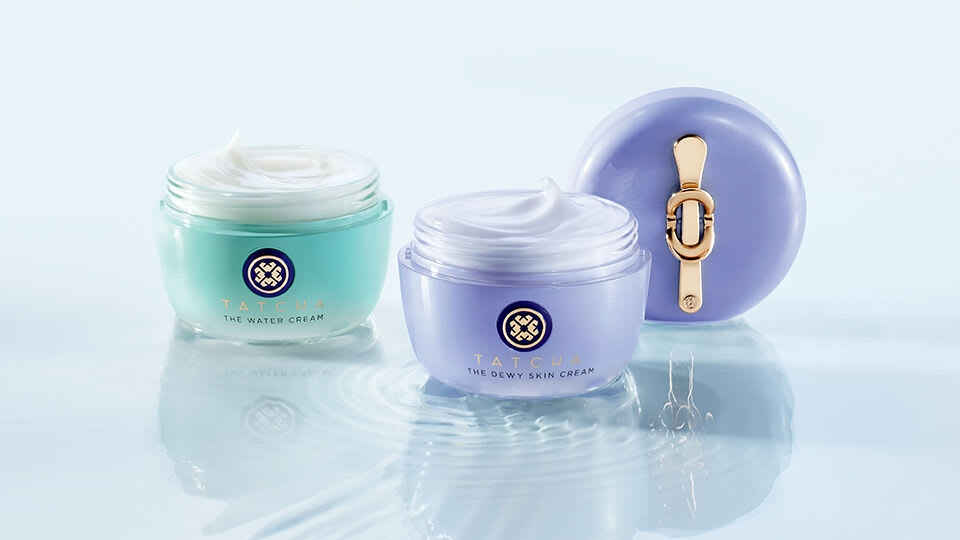
A good face cream reinforces your skin’s moisture barrier, but a great face cream will contribute hydration that helps your skin health improve over time. People are mostly made of water. The chemical comprises about 50 to 60% of our bodies, and is an ingredient in just about every metabolic process we have. Some parts of us have much higher water contents than others—for example, our organs are more aqueous than our bones, but not nearly as aqueous as our blood. Our skin is about 70% water, or more water than not, which is perhaps why so many of our skincare attentions come down to the simple act of keeping as much water in our skin as possible. Hydration is almost synonymous with skin’s most treasured qualities: Its luminosity, its softness, its bounce. And there is not a single skin type on Earth that does not benefit from more hydration, just as there is no dermatologist who would advise you hydrate yourself less. Water is the stuff of life. It’s also the stuff of skin health. For as long as we’ve been chasing glow, we’ve been embracing cream, which helps our skin boost its natural hydration-retention properties. The amount of moisturizer out there in the world is enough to fill an ocean, or at least the Great Lakes. Which face cream is the best at hydrating skin? To find out, you’ll have to learn a little bit about what that means. What does water do for skin? Water is one chemical that is essential to human function. A steady supply of water ensures that our bodies can regulate our temperatures, lubricate our joints, and keep our various internal systems working. Among these critical tasks, water also is a major vehicle by which nutrients and oxygen reach our cells. Hydrated skin is healthy skin. When the skin’s layers are drenched in water, they are less likely to break open and let in potential irritants. Some studies even support the conjecture that drinking adequate water has other health benefits for the skin, like increasing blood flow, although the research isn’t so clear on if these benefits extend to the appearance. Anecdotally, however, you can usually spot the signs of hydration: Skin looks brighter, and plumper. Of course, our bodies require a steady supply of water to keep these processes working—at every biological level. What’s the difference between dehydrated & dry skin? Skin that is dehydrated and skin that is dry can look quite similar: Flakes, cracks, and uncomfortable patches. But each is the result of a specific skin mechanism gone awry. Here’s an easy way to think of skin: When it’s dehydrated, you need water. When it’s dry, you need oil. Dry skin is one of the major skin types, and is defined by lower-than-average sebum production. Sebum, colloquially “oil”, is a natural waxy substance we produce that helps “caulk” our skin barriers. Dry skin is also something that can happen to you sporadically, due to environmental factors like wind or sun overexposure, but it’s important to distinguish between having a bout of dry skin versus the dry skin type. Dehydration isn’t a skin type, in large part because it doesn’t describe an intrinsic quality of the skin. All faces need hydration for the same reason that all bodies need water. For many, effective skincare means keeping the oil and water of one’s skin in check. Any imbalances may give you a clue as to what your unique skin type is, but whatever the answer may be, it’s safe to say that keeping your water levels up should be a priority. How do I know if I have dehydrated skin? Dehydrated skin can occur when too much water is lost, and can be observed by pinching a small area of skin: If skin bounces back, it’s hydrated, but if the wrinkle is slow to smooth out, it may be a sign of skin dehydration. By contrast, dry skin results from a lack of skin-sealing sebum. The problem is not necessarily in the water content of your skin, but in the barrier that is supposed to keep water from escaping. When the skin barrier is weak, it’s only a short leap from dry skin to dehydrated skin as water is lost. The best and most efficient way to find out if you have dry skin is to ask your dermatologist or a licensed aesthetician. An expert will be able to identify your skin type on sight. The American Academy of Dermatologists Association recommends looking for visual signs (roughness, peeling, cracking, flaking) and symptoms (itching, pain, irritation) when assessing the dryness of your skin. Left untreated, dryness can lead to openings in the skin, which can invite a host of other problems. Keep skin moisturized and hydrated to ensure its health. Which skincare ingredients hydrate skin? There are tons of ingredients that hydrate skin, primarily by attracting water into skin cells, but also by nourishing your skin barrier to guard against water loss. Some common hydrators too look out for include: Alpha hydroxy acid. Put simply, these acids, known as AHAs, increase the rate of cell renewal. Some AHAs, like lactic acid, are shown to be highly effective hydrators and moisturizers. Camellia oil. Feather-light and fast-absorbing, camellia oil benefits the skin in numerous ways and is a treasured secret in Japanese skincare. Colloidal oatmeal. The calming variant of oatmeal has been used for centuries to relieve the painful itch and irritation common with sensitive skin. Cranberry extract. Full of antioxidants, collagen, and elastin, this extract supports the skin’s healthy appearance, radiance, and barrier function. Hyaluronic acid. This substance occurs in the fluids surrounding cells and tissues, but depletes with age. In skincare formulations, it is unparalleled in both attracting and binding humectants and moisture to the skin. Peony. The blossom moisturizes, soothes, and provides superior antioxidant benefits, thanks to a natural active ingredient: paeoniflorin. Red algae. This type of seaweed is a rich source of natural polysaccharides, lending water-binding properties that deeply hydrate the skin for a healthy-looking appearance. Rice bran. A true superfood, and a source of vitamins, antioxidant compounds, proteins, fats, fibers, ferulic acid, and minerals. Also contains squalene and tocotrienols, compounds known to hydrate and repair skin. Silk. Or liquid silk protein. It’s easily absorbed when infused into skincare and helps skin to look healthier, smoother, and plumper. Squalane. This botanical lipid occurs naturally in the skin's sebum. The ingredient version, isolated from olives, absorbs effortlessly and deeply into the skin to nourish and moisturize skin. What is the best hydrating face cream? A good face cream reinforces your skin’s moisture barrier, but a great face cream will contribute nourishment that helps your skin improve over time. Based on your skin type, this could mean putting oil and water levels in balance. The best hydrating face cream will help draw water into the skin, but also include ingredients that help shore up the skin barrier. Hydration is a core value to Tatcha, which is why the brand’s two best-selling creams both address skin’s water content. The Water Cream features wild rose and leopard lily to balance the skin, unclog pores, and minimize excess oil production. Plus the water-burst cream formula also includes our Hadasei-3 Complex, which includes Uji green tea to detoxify and prevent premature aging, Okinawa red algae to seal in moisture, and Akita rice to nourish and hydrate. It’s a superb hydrating cream for all skin types. Next is the emollient-rich Dewy Skin Cream, launched specifically to give skin a natural glow and pair beautifully under makeup. The rich, moisturizing cream plumps skin for a dewy, healthy-looking appearance – thanks to antioxidant-packed Japanese purple rice, hyaluronic acid, and Hadasei-3. Dewy is recommended for drier skin but also works for all skin types. Remember that a good face cream is like a glass of water: Glow soon follows.

The Many Benefits of Heartleaf for Skincare
Though you may not have heard of it, heartleaf is trending up in the world of beauty. But before you dive into heartleaf skincare, you may be curious about the ingredient’s benefits—and whether or not it’s right for you. Heard of heartleaf? The name evokes a perfect image: A long, leafy stem ending in a lovely-shaped frond, rounded on one end and pointed at the other.In its native southeast Asia, carpets of heartleaf spread across forest floors. But this plant can be found all over the world, and even makes a common houseplant that is popular for its low maintenance. In Japan, these heart shaped leaves are called dokudami; their white blooms in May foretell of the coming rainy season. Dokudami leaves have been used to brew palliative teas, as well as ground up to treat burns. Even today, it’s one of the top three folk medicines listed in the Japanese Pharmacopoeia.The skincare brand Tatcha, which takes much of its inspiration from time-honored Japanese botanicals, has taken note of heartleaf benefits when applied to skin. More and more, these leaves are being used for topical formulations. But what, exactly, do they do? What is heartleaf?The long name for heartleaf is heartleaf philodendron, and the long and Latin name for it is Houttuynia cordata. These are resilient vines—tolerant of low light, but preferring sunny, moist climes. With a little water and light, a planted heartleaf vine could produce great lengths—and broad bouquets of its signature heart-shaped leaves.According to houseplant experts, they are some of the easiest plants to take care of. But they’re popular home decor for another important reason: A hardworking, healthy philodendron can remove gaseous toxicants, such as formaldehyde, from an enclosed space. But perhaps because of this, these bitter leaves contain a poisonous sap. Ingestion isn’t lethal, but it’s still recommended to keep heartleaves out of the mouths of children, pets, or yourself. Applied to skin, however, this plant can do more good than harm. What does heartleaf do?The benefits of heartleaf are well documented, and appear in traditions all over the world. Houttuynia cordata herb has been used in ancient Chinese medicine for centuries, and some records even indicate Native Americans once used a heart-shaped leaf in some medicines. In Japan, they were even applied topically, to soothe angry skin; In Korea, heartleaf comprised an acne treatment.According to the INCI Decoder, an online database for cosmetic ingredients, heartleaf is rich in flavonoids, a class of phytochemical compound that has been shown to have “anti-inflammatory, antioxidant, and antibacterial” benefits for skin. Heartleaf is also rich in more than a few polysaccharides, which help bind water to the skin. It’s also been shown to boost collagen production. At least one study has also shown promise against atopic dermatitis. In other words, it’s a powerhouse ingredient that can help moisturize skin while defending it against aggressors from oxidative stress, inflammation, and bacteria. Benefits of heartleaf for skinHeartleaf is a powerhouse skincare ingredient, and as a result, it’s frequently found in a variety of different skincare formulations. Its specific benefits may depend on where it winds up in your routine. A few common products containing heartleaf may be:Cleansers. When used as a key ingredient for a face cleanser, heartleaf works to keep oil in check—making it attractive for those with oily skin—so the rest of the cleanser can do its job. You can also be assured that a cleanser formulated with heartleaf will be gentle on skin.Toners. Commenters on the r/AsianBeauty subreddit extol the virtues of heartleaf toners, not only for their ability to balance oily skin, but also to quell redness and irritation. Some users have noted a cooling sensation, like that of aloe.Moisturizers. Heartleaf’s history as a sunburn healing botanical demonstrates the ingredient’s powerful soothing ability. Skin that is angry—sensitive, prone to redness, or otherwise reacting—may benefit from a moisturizer infused with heartleaf. Its high content of water-binding polysaccharides also makes it an excellent hydrator, and a welcome addition to any moisturizer’s ingredient list. How often to use heartleafThe average skincare routine occurs twice a day, and most skincare products are formulated for this kind of frequency. But some high-performing ingredients work best when they’re used more less frequently; about every other routine, or less often, depending on your unique skin type. (And when introducing a new ingredient into your routine, it’s a good idea to talk to your dermatologist or licensed aesthetician first.)With all of heartleaf’s skincare benefits, it’s natural to wonder if it’s too powerful for daily use. As a skincare ingredient, however, heartleaf is perfectly gentle. How often you apply heartleaf may depend on the skincare product it appears in—a moisturizer is best used more than a mask, for example. A recommendation will usually appear in the product’s directions. The best heartleaf skincareSoon after it launched in 2017, The Water Cream quickly became one of the best-selling moisturizers in Tatcha’s skincare collection. Its unique, water-burst texture is beloved by many skin types, but especially those with oily skin, who can feel trapped under thick moisturizers. By contrast, The Water Cream provides a veil of all-day moisture—and is clinically proven to refine pores, thanks to Japanese wild rose, a key ingredient. But one of The Water Cream’s less known powerhouse ingredients is Houttuynia cordata, or heartleaf extract. It’s this ingredient that helps make the moisturizer; its antioxidant power acts like azelaic acid to protect from free radicals, helping to brighten and even tone. Its collagen boosting power, plus its calming effect, means it smooths and soothes. And it’s all thanks to the heartleaf; a plant that’s easy to love.
What Is a pH Balanced Cleanser & Why Should You Use One?
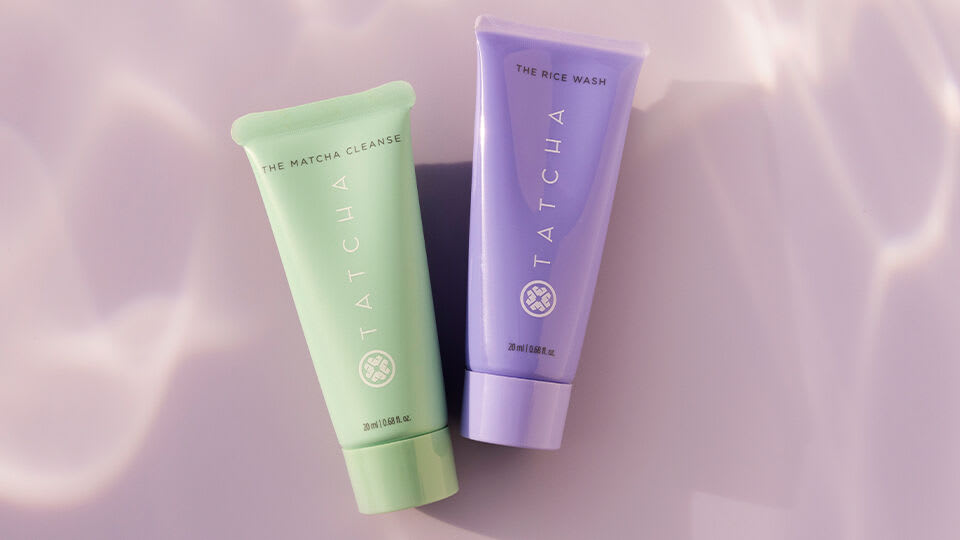
The best place to consider your skincare’s pH levels is at the outset of your skincare routine. “pH” is a fairly young beauty buzzword. (Or buzz “term”, as pH stands for “potential hydrogen” or “power of hydrogen.”) For about a century, physicians have studied how this property supports and facilitates the function of skin. There are many unknowns about the complex mechanisms that make up our cutaneous system, but unlocking pH has helped the field of dermatology deepen its understanding of skin. For example: Did you know that conditions caused by inflammation, from acne to eczema, are associated with a high pH level? In fact, once you understand how integral maintaining a balanced pH is for the skin, you may find yourself paying a lot more attention to the pH values of your skincare products, especially when it comes to your cleansers. Your skin’s pH level is influenced by a variety of factors, from genetics to skin type to sweat production, but according to dermatologists, it can also be affected by the use of alkaline soaps and other high pH products. If there’s one simple strategic skincare step that can keep your skin’s pH in check, it’s the first one in your routine. This is what a pH-balanced cleanser can do for you. What Is Skin pH? Put simply, pH measures the concentration of hydrogen ions in a given substance. An acidic solution has a higher concentration of hydrogen ions and a lower pH, while a basic, or alkaline, solution has a smaller concentration and a higher pH. Pure water maintains an elegant balance of ions in equal concentration, and sits at the dead center of the scale, with a pH of 7. On average, the human body is 60% water, but our skin is a slightly higher percentage; it follows that our skin has a pH close to that of water. Some parts of our skin system are more basic than others, but the outermost layer of our skin has been observed to sit on the acidic side of the scale, with an average pH of 5.5, according to a dermatologist at the Cleveland Clinic. This thin layer responsible for separating the delicate, intricate epidermis from bacteria, environmental pollutants, microbes, ultraviolet light and more is referred to as the “acid mantle.” As such, it’s the first stop for all of our skincare efforts—and should be first in mind when thinking about the pH of our beauty products. Why Does My Skin’s pH Matter? Your skin is used to operating within a certain pH range. But when that range is thrown out of balance, things can start to go awry on the surface. Studies have shown that higher-than-normal pH tends to be a commonality of skin disorders caused by inflammation, like acne and eczema. This very well may have to do with the fact that a balanced, slightly-acidic pH provides the conditions for many of the skin’s basic metabolic functions—shoring up its defenses with structural lipids, keeping hydration in and infection out. Meanwhile, we know that our skin’s pH is also affected by the liquids we wash, tone, exfoliate, and moisturize with. Many of our beloved face cleansers—the ones that leave us feeling squeaky clean, primed, and ready for the day or for bed—have a high pH level, and are generally considered not great for skin. Even a different country’s tap water, which may have a different pH than the one you’re used to, can affect skin’s pH. Which is not to suggest that you avoid washing your face with water, but merely that you take into consideration how all substances we apply to our skin interact with its basic properties. How Do I Balance My Skin’s pH? Luckily for all of us, our skin has a built-in system for regulating its pH; these are referred to as buffer systems. These systems help keep our mantles on the acidic side of neutral, and they’re highly sophisticated; they’re also prone to wear and tear, just like all of the other systems that make up our skin. You can imagine a buffer system kicking into gear when the slightly acidic skin comes in contact with a more acidic or basic substance, and working to neutralize it. You can also imagine some of the following pH-balancing steps as opportunities to give these buffer systems a rest—or, at least, take most of the work out of balancing your skin’s pH. Don’t: Overdo the exfoliation. You probably heard of exfoliating acids before you thought about how acids and bases factor into skin. In fact, our skin loves these acids because of its own inherent acidity. But too much exfoliation can throw the switch in the wrong direction, which is why you should stick to the recommended schedule—and chat with your dermatologist, first. Do: Commit to moisturizing. When it comes to maintaining our skin barrier, there are a lot of things we can do, but none help quite like old-fashioned moisturization. (And when it comes to maintaining pH balance, according to some dermatologists, the more emollient, the better.) Don’t: Opt for harsh cleansers. This is one area where people regularly expose their skin to high-pH products. One dermatologist advised readers of Real Simple: “Stick to non-soap cleansers that are more pH-balanced” for our precious acid mantles. Do: Try pH-balanced skincare. A substance that is pH balanced isn’t pH neutral—that would be water—but is instead within a range close to skin’s inherent, slightly-acidic pH. Over time it’s natural to adopt products that are more acidic for some uses and more basic for others, but to maintain balance, it’s a good idea to adopt skincare that is pH balanced. What Is a Good pH-Balanced Cleanser? Start your skincare routine off with the right step. A pH-balanced cleanser is a great option for any skin type, but especially those who deal with oily skin (and may be more prone to acne). The perfect formula will effectively cleanse without stripping skin of essential moisture and nourishment; it’ll also clock in at a pH between 4 and 6. Our skincare brand, founded on using ingredients that maintain the skin barrier's integrity, has the perfect thing: The Rice Wash, a soft cream cleanser whose pH-neutral amino acid base removes dirt without stripping, while Japanese rice powder gently cleanses and hyaluronic acid and red algae replenish moisture. Your skin already works hard to keep its pH in balance. The kindest thing a cleanser can do is stay out of the way: washing off the day without pushing your acid mantle off its mark, so the rest of your ritual starts on steady ground. Begin there, and balance mostly takes care of itself.
The Best Skincare Routine for Oily Skin
Oily skin is often maligned, but there are a handful of benefits with additional oil production. The trick to managing oiliness is utilizing a skincare routine specifically optimized for oily skin. This guide explores the most effective oily skincare routine for more balanced skin. Oily skin is one of the most common skin types, yet the emotional and social impact of having oil-prone skin can be debilitating. One study found that participants with oily skin reported feelings of “unattractiveness, self-consciousness, embarrassment, irritation, and frustration.” Additional research has shown that those with oily skin can feel “uncomfortable or unkempt and annoyed” by the skin type. As devastating as that is, having oily skin is perfectly normal and perhaps even beneficial—some experts believe the excess oil and sebum lubricate the skin, allowing the face to age with less visible fine lines and wrinkles (although more research needs to be completed to solidify this belief). That said, oily skin unmanaged with an effective regime can exacerbate excess oil, potentially leading to clogged pores. Looking for tips to curb the skin’s natural oil production? When we support the skin’s natural processes through cleansing, exfoliation, and hydration, a reduction in congestion, breakouts, and hyperpigmentation can naturally occur. Keep reading to understand more about excessive oil consumption and the most effective skincare routine for oily skin.Oily Skin ExplainedAccording to the American Academy of Dermatology, oily skin is one of the five skin types (with the others being sensitive, normal, dry, and combination skin). What causes oily skin in the first place? It’s often due to genetics, so you can thank your parents for your naturally supple skin. It can also be caused by heightened hormone levels. What’s happening under the skin is sebaceous glands are secreting sebum, which naturally lubricates the skin, protecting it from drying out. But sometimes sebaceous glands can produce excess sebum, causing the skin to look excessively shiny or pores to become clogged.Skincare Routine For Oily SkinIf you have oily skin or an oily T-zone area, your skin produces extra sebum that can lead to clogged pores and potentially breakouts. Utilizing the following oily skincare routine helps bring harmony back to the skin with just a few simple steps.Step One: CleanseThe first, and perhaps most important, step in your ritual is to purify your complexion with a facial cleanser. From starting the morning fresh to unburdening the skin at the end of the day, cleansing helps wash away impurities, dirt, and other buildup accumulated throughout the day and night. Whether it's indulging in a double cleanse or an exfoliating cleanser, the right face wash can minimize excess oil, unclog and minimize the appearance of pores, and leave skin soft and ready for the next steps in your oily skincare routine.Step Two: ExfoliateAfter cleansing, oily skin will love exfoliation. Why? Exfoliating can make pores less noticeable, says the AAD. This is because when pores are clogged, they look more noticeable, and effective exfoliation basically ‘cleans out’ pores, helping to eliminate excess oil, sebum, and dead skin cells while visibly tightening the appearance of pores. This can be accomplished with physical exfoliation (scrubs or washcloths) or liquid exfoliating treatments (formulas with AHAs and/or BHAs). Check the product’s packaging to get the recommended usage tips, as some exfoliants are designed to be used nightly or twice a day (or only a few times a week).Step Three: TreatSerums are a great follow-up step after exfoliation, as they’ll be able to absorb beautifully. Serums are highly potent skincare solutions that work to increase the overall effectiveness of a skincare ritual. They tend to zero in on one focus, like brightening, hydrating, or clarifying pores. Some serums can even multitask, targeting multiple concerns at once, like brightening and exfoliating. Consider what you’d like a serum to help you accomplish and seek out one with proven ingredients and clinical results.Step Four: MoisturizeYou might be tempted to forgo a moisturizer completely due to excessive oiliness, but skipping a face lotion can backfire, causing the skin to produce even more sebum to make up for the dryness—after all, even oily skin can quickly become dehydrated. That said, an effective moisturizer is one of the most difficult products to discover for oily skin. A moisturizer is not a one-size-fits-all product, notes the AAD. They note that a moisturizer can come in several different formats, including lotions, gels, thick creams, or ointments. For oily skin, consider a lightweight, clarifying moisturizer for morning and night usage, right after a serum (or cleansing, if you’re skipping a serum).Step Five: ProtectSunscreen often has the reputation of thick, pore-clogging formulas, so much so that you might be tempted to skip SPF altogether to spare your oily skin–but don’t. Modern sunscreen iterations are brilliantly lightweight and soothing. Some can even include pore-refining ingredients, like niacinamide, that have the ability to minimize the size of pores, reduce redness, and even skin tone. Ensure that you follow the FDA guidelines on how to apply sunscreen and what to look for in SPF packaging.For a deep dive into the best products for oily skin, we’ve compiled an extensive guide here, analyzing every product that can help oily skin become more balanced and soothed. As always, if you’d like help customizing your daily ritual for your specific skin, consult our Ritual Finder.
How to Balance Skin pH
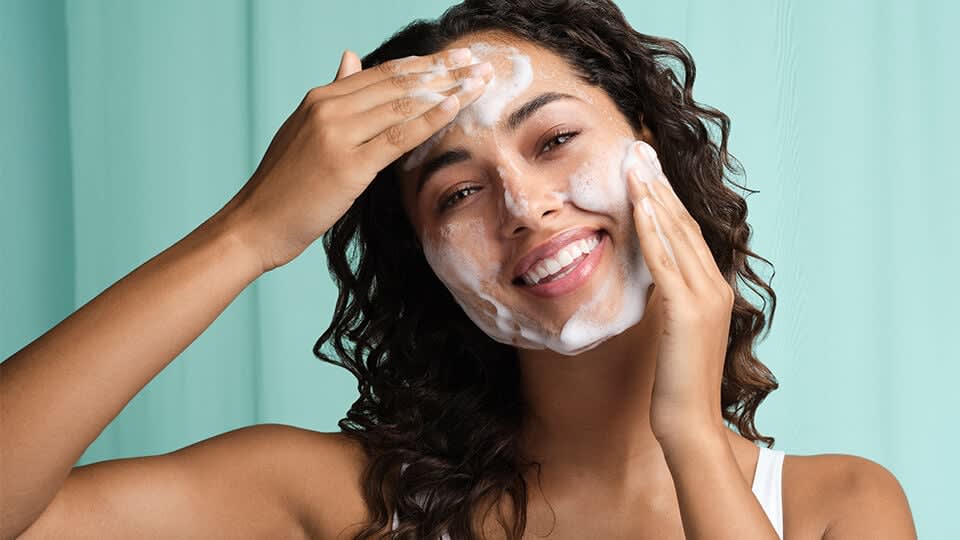
All liquids have a “potential hydrogen” value, and since humans are mostly water, it follows that pH plays a role in many of our biological systems—including, if not especially, our skincare. At the beginning of the 20th century, a Danish scientist coined the term pH, meaning “potential hydrogen”, to express the acidity of a liquid. A substance’s pH reflects many of its chemical traits, and the discovery gave scientists a way to represent this value using a simple and streamlined scale.Before this, human skin was observed to have totally acidic layers and totally basic ones. Two decades after the establishment of the pH scale, a team of dermatologists found the average pH level of the skin to be about 5.5, which would put it on the slightly more acidic side of pH balance. Over time, studies have been done on pH levels local to different parts of the body, and found slight variation in places like the hands, those frequent targets of soaps and detergents.For some of us, the letters pH evoke distant memories of chemistry class, and conjure the imagery of beakers and test tubes, not creams and lotions. But pH level is an important trait of your skin, and should be an important consideration in your skincare. Skin is, after all, mostly water; here’s how to care for it with pH in mind. Your skin’s pHPut basically, pH measures the concentration of hydrogen ions in a particular substance. (Another term you’ll hear for pH is “power of hydrogen.”) Pure water has a neutral pH of 7.0. An acidic solution has a larger concentration of hydrogen ions than water, while a basic, or alkaline, solution has a smaller one.Throughout the human body, pH level varies—between 1 and 8, in human organs. In the skin, the range seems to be between 5.0 and 5.5, on the acidic side of things. This is why the outermost layer of skin is referred to as the “acid mantle.” Specific skin pH will vary between individuals (and is also likely to vary on different parts of the body) but typically stays within an acidic range. Physicians have known about the acid mantle for a long time, but have only recently begun to study how pH level affects—and facilitates—skin order and disorder.A fun fact: Our skin’s pH is close to that of a medium-strong cup of black coffee. Why it mattersWe know two very important things about our skin’s pH. The first is that pH has an effect on all sorts of skin mechanisms, like the creation of lipids, and the regulation of barrier function. You can almost think of it like a temperature setting; there’s an optimal range for skin’s metabolism to function at its best, but outside of that range, disruptions can occur. A report published by the Japanese Dermatological Association correlated a high pH and disrupted barrier function in skin affected by an inflammatory disorder like eczema.The other important thing to keep in mind is that skin’s pH is not fixed, and can change when it comes into contact with other substances. According to a 2006 article in the International Journal of Cosmetic Science, “not only prior use of cosmetic products, especially soaps, have profound influence on skin surface pH, but the use of plain tap water, in Europe with a pH value generally around 8.0, will increase skin pH up to 6 [hours] after application before returning to its 'natural' value.” Genetics, as well as environmental factors, can also have an impact on skin’s baseline pH. Balancing skin pH levelWhat we don’t want to do is alkalize our skin. Raising skin’s pH inhibits its ability to do things like create structural proteins. Maintaining skin’s acid balance is the role of buffers, which operate throughout the body’s various systems. But when those buffers need help—in aging skin, or during an inflammatory response—you can assist with a few pH balancing skincare tips.Never over-exfoliate. All beauty lovers have been tempted by the promises of acids. But even though our skin is slightly acidic, using too many acids at once can not only cause a reaction, but can also throw off your skin’s pH balance. An exfoliating mask once in a while is always a good idea, but not at the expense of your acid mantle.Always moisturize. Physicians have observed that emollient products, like skin-mimicking squalane, can help maintain skin’s healthy acidity; another reason never to skip on your moisturizer.Try a pH-balanced cleanser. Because soaps and face washes are typically more basic, it’s important to keep their pH figure in mind when choosing your face cleanser. A substance that is pH balanced isn’t pH neutral—that would be water—but is instead within a range close to skin’s inherent, slightly-acidic pH. The best skincare for skin pH balanceThe best skincare for maintaining the pH balance of your skin sits, unsurprisingly, toward the acidic side of the pH spectrum. One Allure report spoke to dermatologists and composed an effective skincare spectrum of between a pH of 4 (acidic) and 7 (neutral).The best place to manage your skincare’s pH balance is in the cleanser category. Nowadays, as our understanding of how pH affects our skin has increased, so has the number of formulations designed to work with our acid mantles. Tatcha’s brand-new Matcha Cleanse is one such formula. The gel rubs into a lightweight foam that comfortably cleanses skin, keeping skin pH (and sebum) balanced in the process. The Matcha Cleanse is formulated in particular to honor oily skin, with Kyo-matcha and BHA alternatives. (It also leaves a priming effect in its wake.) The Rice Wash, a creamy cleanser, which imbues a pH-neutral amino acid base with a finely milled Japanese rice powder. Unlike other pH-neutral cleansers, it foams into a lather, leaving skin silky, smooth, well-moisturized, and—most importantly—properly pH-balanced. Tatcha also offers The Rice Wash, a creamy cleanser, which imbues a pH-neutral amino acid base with a finely milled Japanese rice powder. Unlike other pH-neutral cleansers, it foams into a lather, leaving skin silky, smooth, well-moisturized, and—most importantly—properly pH-balanced.
How to Choose a Face Cleanser
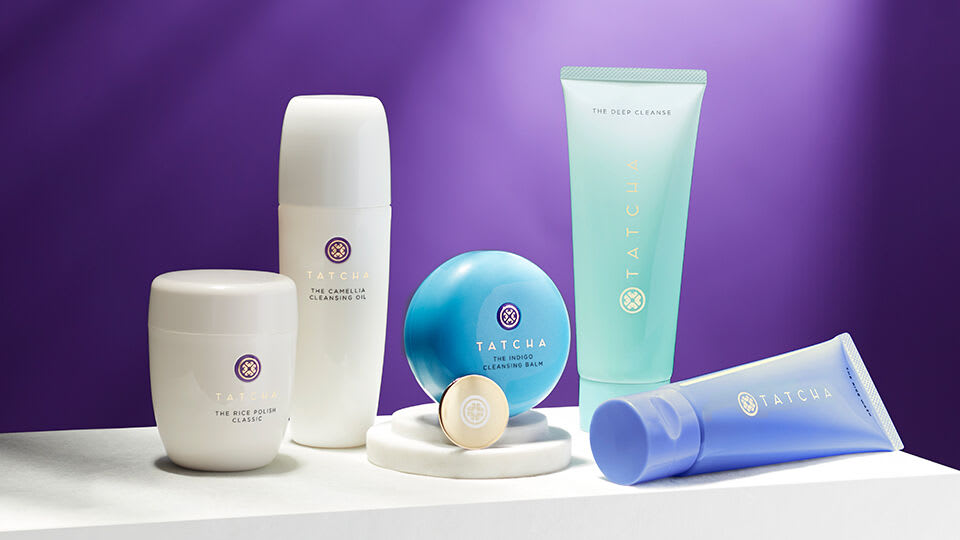
There are many ways to wash your face and just as many cleansers. But not all cleansers are created equally. Here’s how to choose a facial cleanser. Facial cleansers are undisputedly important. Cleansing removes dirt, oil, makeup, sweat, debris, and dead skin cells from the face and helps to maintain the overall health and appearance of skin. However, there are numerous methods to cleanse the face and countless cleansers to do so. We break down the best cleanser for you, helping to understand how to choose a face cleanser.What Is A Cleanser?As we dove into in The Best Japanese Facial Cleansers and Exfoliators, facial cleansers come in many different textures, from balms and creams to oils and lightweight foams. They work—quite literally—at the molecular level, encasing dirt, debris, and other build-up and allowing them to be washed off the skin’s surface. They are the first step in any skincare routine and arguably the most important, too.Cleansing in JapanWhile America might not prioritize cleansing, choosing to focus on complicated serums and moisturizers instead, it’s emphasized as the key to healthy skin in Japan. “Cleansing is key to a clear, radiant complexion,” noted Tatcha’s founder Vicky Tsai in her book Pure Skin. The right cleanser can not only clean the skin but prepare it for the next steps in your skincare routine, making it one of the most vital products you can use. How To Choose A CleanserWithout consistent cleansing, skin can get a buildup of debris that can clog pores, leading to potential acne, irritation, dryness, and dullness. But how do you know how to choose a facial cleanser that’s right for you? Consider your skin type, which will help you discover your ideal face wash. (If you’re not quite sure about your skin type, consult this article, which will help you narrow it down.)Best Cleanser for Dry SkinWhile it might seem tempting to limit the amount of cleansing performed on dry skin, that can only exacerbate dryness further. Instead, reach for a gentle cleanser, which can softly cleanse while also nourishing skin and helping to prep for the following skincare steps. If an oil cleanser is preferred, reach for The Camellia Cleansing Oil, which is particularly wonderful for dry skin. It gently melts away impurities, while also leaving behind pure, silky-soft skin. This versatile cleansing oil is ideal for mature and sensitive skin, as well. For more of a foaming experience, consider The Rice Wash, which has a creamy texture that gently smooths and washes away buildup without stripping skin for a soft, luminous complexion. Combination skin that errs on the side of dryness will love this creamy foam cleanser, too. These two products can be used in tandem, helping to remove stubborn makeup and debris, in a two-step process called double cleansing or the Kyoto Cleanse.Best Cleanser for Sensitive SkinA calming, nourishing cleanser (that still effectively cleanses) is necessary for sensitive skin. We know harsh formulas can strip the barrier’s natural oils, leading to more damage and dryness, so a gentle cleanser is a crucial first step in your skin-healing regime. Consider one of Tatcha’s newest innovations: The Indigo Cleansing Balm. This skin-strengthening formula instantly calms visible irritation, while also supporting and transforming the barrier. The dermatologist-tested and fragrance-free formula was crafted with weakened, sensitized skin in mind, knowing traditional cleansing can be painful and damaging. The formula includes Japanese indigo to calm visibly irritated skin; lipids and ceramides to replenish the barrier; Japanese lotus root to soothe; and mondo grass root to balance the microbiome. In clinical studies, 100 percent of participants demonstrated an improvement in barrier function after just one week of use.* But unlike harsh cleansers, the Indigo Cleansing Balm also soothes visible irritation and replenishes moisture—strengthening the skin barrier for smooth, visibly calm, and radiant-looking skin.*Based on bio-instrumentation (TEWL) clinical study on 40 panelists.Best Cleanser for Oily SkinOily skin naturally produces more sebum than other skin types and might enjoy a daily (gentle!) exfoliating cleanser, which helps promote cell turnover and prevent buildup in pores. Consider The Deep Cleanse, whose gel formula both cleanses and exfoliates, carefully lifting dirt and oil to leave skin soft and balanced. The cleanser includes luffa fruit (a natural physical exfoliant beloved by Japanese skincare aficionados for centuries) to help turn over dead skin cells, wild rose (to visibly reduce pores and minimize excess oil), and leopard lily (to soothe skin). Best Cleanser for Oily and Combination SkinThose with oily and combination skin often believe they need to over-wash their faces to rid themselves of excessive oil and prevent breakouts—but this skin-stripping step can actually do the opposite, causing the skin to produce even more oil and potentially lead to more breakouts. This is where The Matcha Cleanse steps in to save the day. The daily clarifying gel cleanser decongests pores without stripping skin, while also rebalancing skin’s natural oil production for smoother skin and reduced makeup slip-off. The refreshing watery-foam balances skin pH and addresses the skin’s texture for better makeup wear. The formula includes premium Kyo-matcha (sourced directly from the famed Uji region in Kyoto), powerhouse coix seed (used in herbal medicines for centuries to purify pores), and Japanese mugwort (to support barrier function).
The Best Makeup for Oily Skin
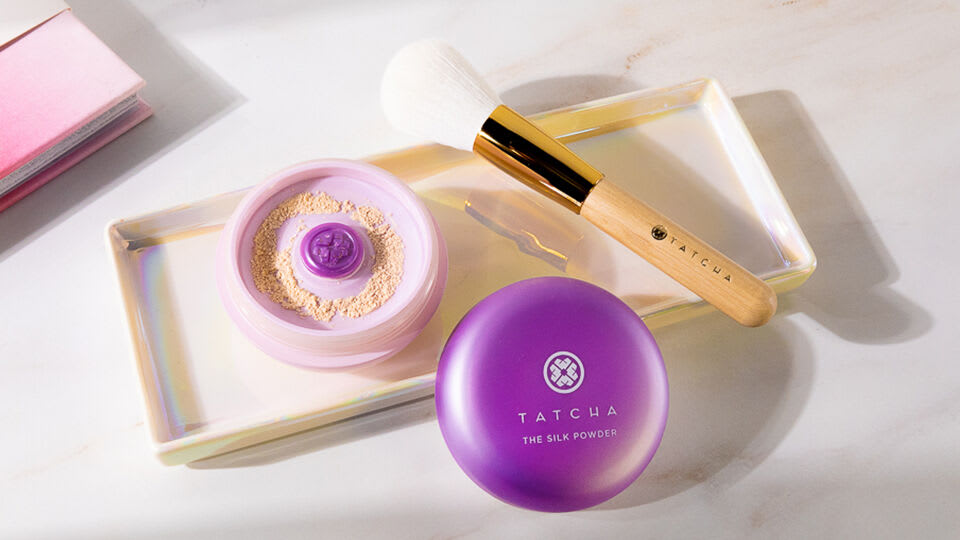
There are many benefits to having oily skin—but applying makeup on this complexion takes a greater level of care and planning. We uncover the most important tips and tricks, plus the best makeup products for oily skin. Oily skin is common and has many benefits, says the American Academy of Dermatology, which includes fewer wrinkles over time. But oily skin can also lead to clogged pores and an increase in acne. The key is to strike a balance between having too much oil and maintaining your skin’s natural moisture, says the AAD. Part of that balancing act includes makeup products, which can potentially worsen breakouts if formulas are irritating or pore-clogging. Below we uncover the most important terms to look out for, tips to apply makeup without triggering irritation, and the best makeup for oily skin.Oily Skin-Approved Makeup TermsWhile these terms aren't regulated by the Food and Drug Administration (FDA), it’s helpful to be on the lookout for a handful of phrases. These can help you avoid pore-clogging ingredients and won't leave you looking excessively shiny.Non-ComedogenicNon-comedogenic means it won't clog pores, reducing your risk of triggering breakouts. This classification, which can be found on skincare and makeup labels, is beneficial for those with oily, combination, and acne-prone skin. The AAD advises looking for makeup that includes one of the following terms on its label: "Oil-free," "won't clog pores," or "non-comedogenic", as these are less likely to trigger oil production or cause breakouts. Hypoallergenic You’ll see the word “hypoallergenic” frequently on makeup, as it’s geared toward sensitive skin. However, the AAD notes that acne is a form of sensitivity, so taking steps to avoid further irritants is always helpful if blemishes are a common occurrence for your oily skin. It’s not a guarantee that the formula is safe for acne-prone or sensitive skin, but it likely doesn’t include common irritants, like fragrances, dyes, or alcohol. Many traditional formulas are packed with these irritating ingredients that can cause painful flare-ups or unpleasant sensations or reactiveness, like redness, itching, discomfort, burning, and swelling for sensitive skin.Dermatologist Tested Another term to seek out on makeup packaging is dermatologist tested, which (just like hypoallergenic) is not a regulated term, but means it’s been tested by a dermatologist for tolerance and possible irritation.Fragrance-FreeFragrance-free is another tag that’s helpful for all skin types. Fragrances are one of the most common irritants so a product that proudly states it’s free from fragrances is a great starting point.Oily Skin Makeup TipsThe key to discovering the best makeup for oily skin is choosing products that are specifically formulated with non-comedogenic ingredients. But there are a few other things to keep in mind when preparing oily skin for makeup. Skincare as MakeupOne of the best tips for successfully using makeup for oily skin is investing in a skincare routine. Prepping the skin with a nourishing cleanser, exfoliant, and moisturizer is the best way to ensure skin remains balanced all day long. Yes, a moisturizer is vital for an oily complexion, notes the AAD. To begin your ritual, consider utilizing an effective cleanser that can remove debris, dirt, and excessive sebum, like The Deep Cleanse. Then, follow up with an exfoliant, which is especially helpful for oily skin. Try a liquid exfoliant, like The Texture Tonic (designed to clarify skin daily), or a water-activated exfoliant, like The Rice Polish: Deep, which instantly reveals smoother skin—perfect before makeup. Follow up with a lightweight, clarifying moisturizer, like The Water Cream, which helps control excess oil and smoothes skin. Additionally, makeup is ideally applied over broad-spectrum sunscreen, which should be used every day. Consider the Silken Sunscreen SPF 35, which acts like a primer and blurs the look of pores for matte, silky-smooth skin. Start Clean It’s always a good idea to start with clean skin, clean hands, and clean makeup brushes. The AAD says dirty makeup brushes are a breeding ground for bacteria, which cause acne, rashes, and even fungal infections in extreme cases. They recommend washing brushes every week. Also, ensure makeup products are not expired. Additionally, make sure you're the only one who uses your makeup brushes—sharing is not caring when it comes to makeup tools. “While acne isn’t contagious, acne-causing bacteria, dead skin cells, and oil from other people’s skin can stick to your makeup, makeup brushes, and applicators,” says the AAD.Apply with CareApply makeup gently, says the AAD. Your touch should be feather light—at Tatcha we like to envision caring for skin as if it’s a delicate piece of silk—approach it with loving care and a gentle touch. Utilizing makeup brushes gently can help you avoid irritation.Remove DailyMakeup should always be washed off at the end of the day, suggests the AAD—and this daily ritual is absolutely vital for oily and acne-prone skin. Look for makeup removers that are formulated with gentle ingredients so they don’t irritate the skin. Or opt for an oil cleanser, which can be a more gentle process, as part of a double cleanse. The AAD recommends washing your face with a gentle cleanser after makeup removal, so a double cleanse is not only effective but also dermatologist-approved.Best Makeup for Sensitive SkinHere are a few makeup essentials that leave skin smooth and balanced.Best Makeup Primer for Oily Skin Liquid Silk Canvas A makeup primer can be endlessly beneficial for oily skin, while also helping to shield skin from pollutants and allowing makeup to apply better and last longer. The Liquid Silk Canvas is a weightless liquid primer with a soft, silky feel, providing a poreless appearance and minimizing excess shine with a soft focus finish.Best Setting Powder for Oily Skin The Silk Powder This talc-free, protective setting powder helps makeup last longer, blurs pores, cocoons skin against blue light and pollution, and provides a translucent, soft-radiant finish. The powder has been clinically shown to help makeup last eight hours, while also helping to instantly improve the appearance of pores, fine lines, and texture. It also provides instant and all day shine control.**Based on a clinical study of 41 subjects, using The Silk Powder on bare skin.Best Oil-Absorbing Tool for Oily SkinAburatorigami Japanese Blotting Papers The AAD recommends using blotting papers throughout the day. “Gently press the paper against your face and leave it on for a few seconds to absorb the oil,” they note. “Don’t rub the paper on your face, as this will spread the oil to other areas.” Our abaca leaf fiber blotting papers absorb excess oil without disturbing makeup or stripping skin of essential moisture.Best Makeup Tool for Oily Skin The Powder Brush A soft, carefully crafted makeup brush might feel like a luxury (and it is!) but it’s also a necessity for oily skin. As stated above, a makeup brush is ideal for applying makeup, notes the AAD, and especially one with gentle bristles that won’t irritate the skin. This animal-free synthetic brush seamlessly hugs the skin for a flawless appearance. Crafted by the famed Kashoen artisans in Kumano, Japan, the luxurious brushes have been handmade utilizing techniques established since 1883.

How to Prevent (and Eliminate) Sun Spots
Sun spots can be incredibly frustrating to experience. But the most effective treatment for sun spots is preventing them in the first place. Here is everything you need to know about how to prevent sun spots—but also tips on eliminating them, too. There are many things to love about summer, like warm breezes, riotous bursts of colorful flowers, and sundresses – but the dazzling summer sun also has a serious downside: potential sun damage to skin. A beach day can quickly lead to sun spots, also known as hyperpigmentation and age spots, a common condition that the Cleveland Clinic classifies as areas of darkened skin. Keep reading for everything you need to know about how to prevent sun spots. What Are Sun Spots? Sun spots can occur on anyone’s skin. Beneath our skin are melanocytes, which create melanin to protect our skin, says the Mayo Clinic. These protective cells can be damaged by sun exposure and overproduce melanin, resulting in sun spots. The Cleveland Clinic notes that sun spots can affect people of any race or ethnicity and they can occur in one concentrated area or all over the body. The Clinic adds that sun spots can look like spots or patches, are usually not raised from the skin, and can appear brown, black, gray, red, or pink. They’re also not painful or itchy and are not dangerous. But if the hyperpigmentation is uncomfortable or changes in appearance, it’s best to consult with a board-certified dermatologist. How to Prevent Sun Spots The easiest way to treat sun spots or dark spots on your face is to prevent them in the first place. Here are the best methods and tips to prevent sun spots. Avoid Sun Exposure The best way to avoid sun spots is also the least popular: stay out of the sun to avoid sunburn. While that’s highly unrealistic, at least try to limit sun exposure when it is at its hottest, between 10:00 a.m. and 4:00 p.m., says the CDC. It’s a good idea to seek shade and be extra cautious during these peak sun hours, adds John Hopkins Hospital. You can also consult the UV Index, which explains how strong the UV light is in your area on any given day, on a scale from 1 to 11+. A higher number means a greater risk of exposure to UV rays and a higher chance of sun spots and skin damage. Sunscreen The second best preventative measure after limiting sun exposure is sunscreen. Daily and consistent sunscreen is one of the most important defenses against sun spots, and there are sunscreens available for every skin type, even for those with sensitive skin. Incorporating a broad-spectrum, SPF 30+ sunscreen into your daily skincare ritual is the perfect morning routine, just apply right after your daily moisturizer. If spending any additional time in the sun, reapply sunscreen every two hours. Sun-Protective Clothing Sunscreen is a daily must, but it works even better when combined with other protective options, like a wide-brimmed hat, UV-protective clothing, UV-protected sunglasses, and sun protection parasols or umbrellas. When it comes to sun-protective clothing, the American Academy of Dermatology says not all sun-protective clothing is created equal. Look for clothing that lists an ultraviolet protection factor (UPF) number on the label. Or if you’re using non-UPF clothing, aim for dark colors with tightly-woven fabrics. For example, a long-sleeved denim shirt provides an SPF of about 1,700, while a white t-shirt has only an SPF of 7, says the AAD. In-Office Procedures No matter your preferred method of prevention, it’s always a good idea to consult with your doctor first. There are a handful of in-office procedures they might recommend, too. According to the AAD, that can include laser treatments, cryosurgery, microdermabrasion, or chemical peels. However, no one should feel that in-office procedures are the only or best option for eliminating sun spots. Products that Help Prevent (and Eliminate) Sun Spots Sun spots are not harmful or embarrassing and they don't need to be treated. But if you do decide you want to address the appearance of them, here are the best products to help you prevent and eliminate sun spots in your own home. Brighten and Resurface A brightening or resurfacing product can help calm overactive melanocytes, which can prevent future sun spots. Be careful though, as many brightening products, like serums, can contain ingredients that will increase your sensitivity to the sun. The Silk Serum The AAD suggests utilizing retinol to resurface skin and reduce the appearance of sun spots. Retinol is not for everyone, though, and retinol alternatives are gaining in popularity. At Tatcha, we’ve formulated the Silk Serum to include cranberry extract and sea fennel, which work as effectively as retinol, but without any of the complications famous with retinol usage (including perplexing schedules and frustrating redness and irritation). Brightening Serum How to best eliminate sun spots? Nary an ingredient is more effective at potentially preventing hyperpigmentation than vitamin C. The antioxidant-boosted product has decades of clinical research praising its effectiveness. Try the bestselling Violet-C Brightening Serum, which contains two forms of vitamin C, helping to reveal brighter skin and a more translucent, youthful glow. Violet-C Radiance Mask For an extra boost of brightness, consider the Violet-C Radiance Mask. The creamy, hydrating treatment brightens, resurfaces, and plumps in just 15 to 20 minutes. Apply two to three times a week for radiant and healthy-looking skin. Exfoliate Visible sun spots reside in the outer layers of the skin, which is why gentle, daily exfoliation is so effective. This consistent exfoliation will help increase cell turnover, gradually shedding the layers of skin with excess melanin. The Texture Tonic This ingenious exfoliating treatment works effectively to gently resurface skin for smoother and more balanced skin. Yet it also visibly evens skin tone, calms, reduces redness, and boosts skin’s moisturization. The formula includes a clever mix of fruit AHAs, niacinamide, Japanese Mugwort, and wild rose for an exfoliating experience that is ideal for even sensitive skin. The Rice Polish If you prefer a foaming polish exfoliation experience, grab The Rice Polish (available in Classic, Deep, Calming, and Gentle). The water-activated exfoliant includes Japanese rice bran, papaya enzymes, and silk protein for an experience that both polishes and nourishes. Prevent Discover a sunscreen you actually enjoy using. At Tatcha, we’ve perfected two broad-spectrum sunscreen products that are boosted with skincare ingredients that feel great on your skin. The Silk Sunscreen is hydrating and soothing 50+ coverage protects with 10 percent zinc oxide for a mineral, reef-safe filter. The lightweight and invisible coverage is packed with skin-benefitting ingredients, like hyaluronic acid, niacinamide, and silk extract. The inclusion of niacinamide is particularly helpful for addressing the appearance of uneven skin tone, pore size, and redness. Silken Pore Perfecting SPF 35 Sunscreen If seeking a blend of mineral and chemical protection, grab our bestselling Silken Pore Perfecting sunscreen. The formula features skin-loving ingredients that not only protect the skin, but also help tighten the appearance of pores, smooth skin texture, and calm irritation.