

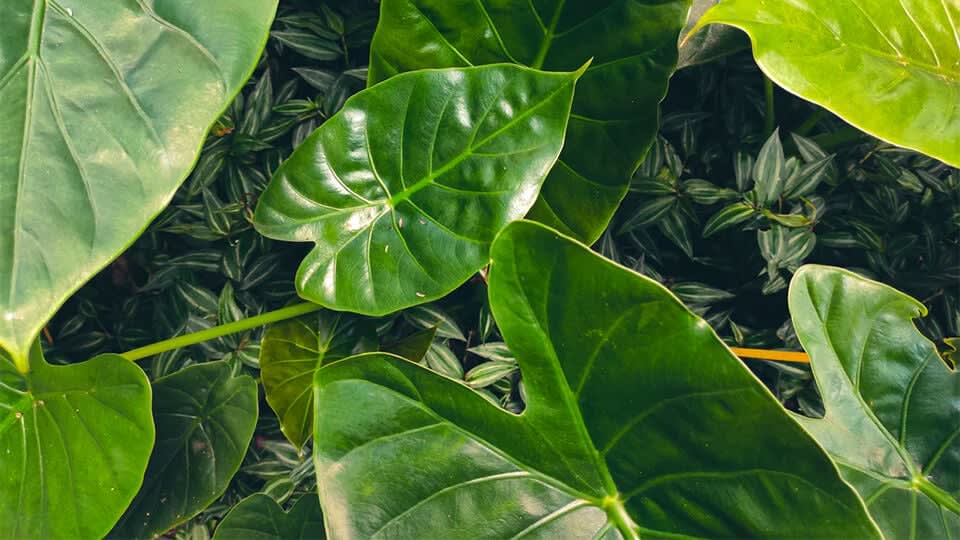
Heard of heartleaf? The name evokes a perfect image: A long, leafy stem ending in a lovely-shaped frond, rounded on one end and pointed at the other.
In its native southeast Asia, carpets of heartleaf spread across forest floors. But this plant can be found all over the world, and even makes a common houseplant that is popular for its low maintenance. In Japan, these heart shaped leaves are called dokudami; their white blooms in May foretell of the coming rainy season. Dokudami leaves have been used to brew palliative teas, as well as ground up to treat burns. Even today, it’s one of the top three folk medicines listed in the Japanese Pharmacopoeia.
The skincare brand Tatcha, which takes much of its inspiration from time-honored Japanese botanicals, has taken note of heartleaf benefits when applied to skin. More and more, these leaves are being used for topical formulations. But what, exactly, do they do?
What is heartleaf?
The long name for heartleaf is heartleaf philodendron, and the long and Latin name for it is Houttuynia cordata. These are resilient vines—tolerant of low light, but preferring sunny, moist climes. With a little water and light, a planted heartleaf vine could produce great lengths—and broad bouquets of its signature heart-shaped leaves.
According to houseplant experts, they are some of the easiest plants to take care of. But they’re popular home decor for another important reason: A hardworking, healthy philodendron can remove gaseous toxicants, such as formaldehyde, from an enclosed space. But perhaps because of this, these bitter leaves contain a poisonous sap. Ingestion isn’t lethal, but it’s still recommended to keep heartleaves out of the mouths of children, pets, or yourself. Applied to skin, however, this plant can do more good than harm.
What does heartleaf do?
The benefits of heartleaf are well documented, and appear in traditions all over the world. Houttuynia cordata herb has been used in ancient Chinese medicine for centuries, and some records even indicate Native Americans once used a heart-shaped leaf in some medicines. In Japan, they were even applied topically, to soothe angry skin; In Korea, heartleaf comprised an acne treatment.
According to the INCI Decoder, an online database for cosmetic ingredients, heartleaf is rich in flavonoids, a class of phytochemical compound that has been shown to have “anti-inflammatory, antioxidant, and antibacterial” benefits for skin. Heartleaf is also rich in more than a few polysaccharides, which help bind water to the skin. It’s also been shown to boost collagen production. At least one study has also shown promise against atopic dermatitis. In other words, it’s a powerhouse ingredient that can help moisturize skin while defending it against aggressors from oxidative stress, inflammation, and bacteria.
Benefits of heartleaf for skin
Heartleaf is a powerhouse skincare ingredient, and as a result, it’s frequently found in a variety of different skincare formulations. Its specific benefits may depend on where it winds up in your routine. A few common products containing heartleaf may be:
Cleansers. When used as a key ingredient for a face cleanser, heartleaf works to keep oil in check—making it attractive for those with oily skin—so the rest of the cleanser can do its job. You can also be assured that a cleanser formulated with heartleaf will be gentle on skin.
Toners. Commenters on the r/AsianBeauty subreddit extol the virtues of heartleaf toners, not only for their ability to balance oily skin, but also to quell redness and irritation. Some users have noted a cooling sensation, like that of aloe.
Moisturizers. Heartleaf’s history as a sunburn healing botanical demonstrates the ingredient’s powerful soothing ability. Skin that is angry—sensitive, prone to redness, or otherwise reacting—may benefit from a moisturizer infused with heartleaf. Its high content of water-binding polysaccharides also makes it an excellent hydrator, and a welcome addition to any moisturizer’s ingredient list.
How often to use heartleaf
The average skincare routine occurs twice a day, and most skincare products are formulated for this kind of frequency. But some high-performing ingredients work best when they’re used more less frequently; about every other routine, or less often, depending on your unique skin type. (And when introducing a new ingredient into your routine, it’s a good idea to talk to your dermatologist or licensed aesthetician first.)
With all of heartleaf’s skincare benefits, it’s natural to wonder if it’s too powerful for daily use. As a skincare ingredient, however, heartleaf is perfectly gentle. How often you apply heartleaf may depend on the skincare product it appears in—a moisturizer is best used more than a mask, for example. A recommendation will usually appear in the product’s directions.
The best heartleaf skincare
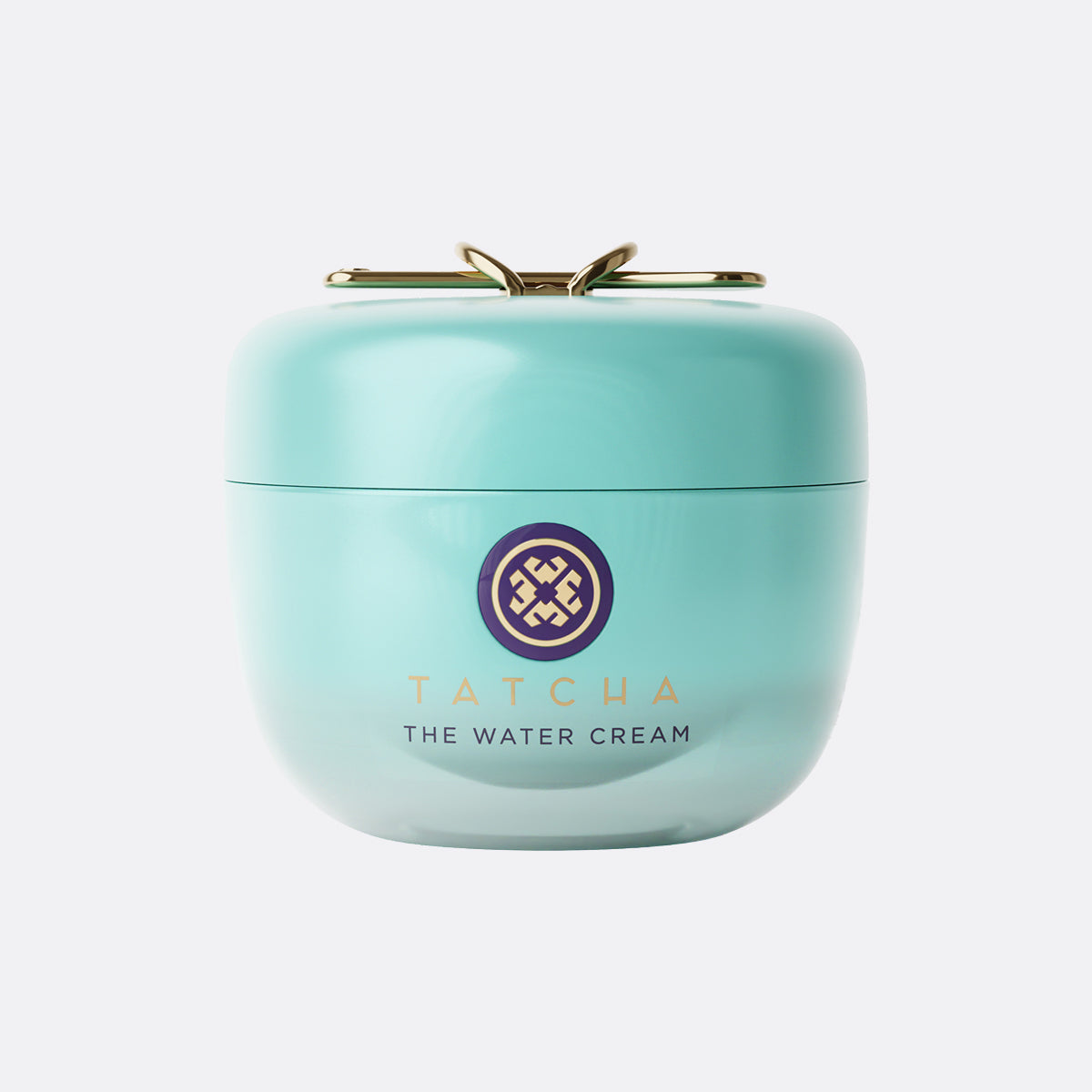
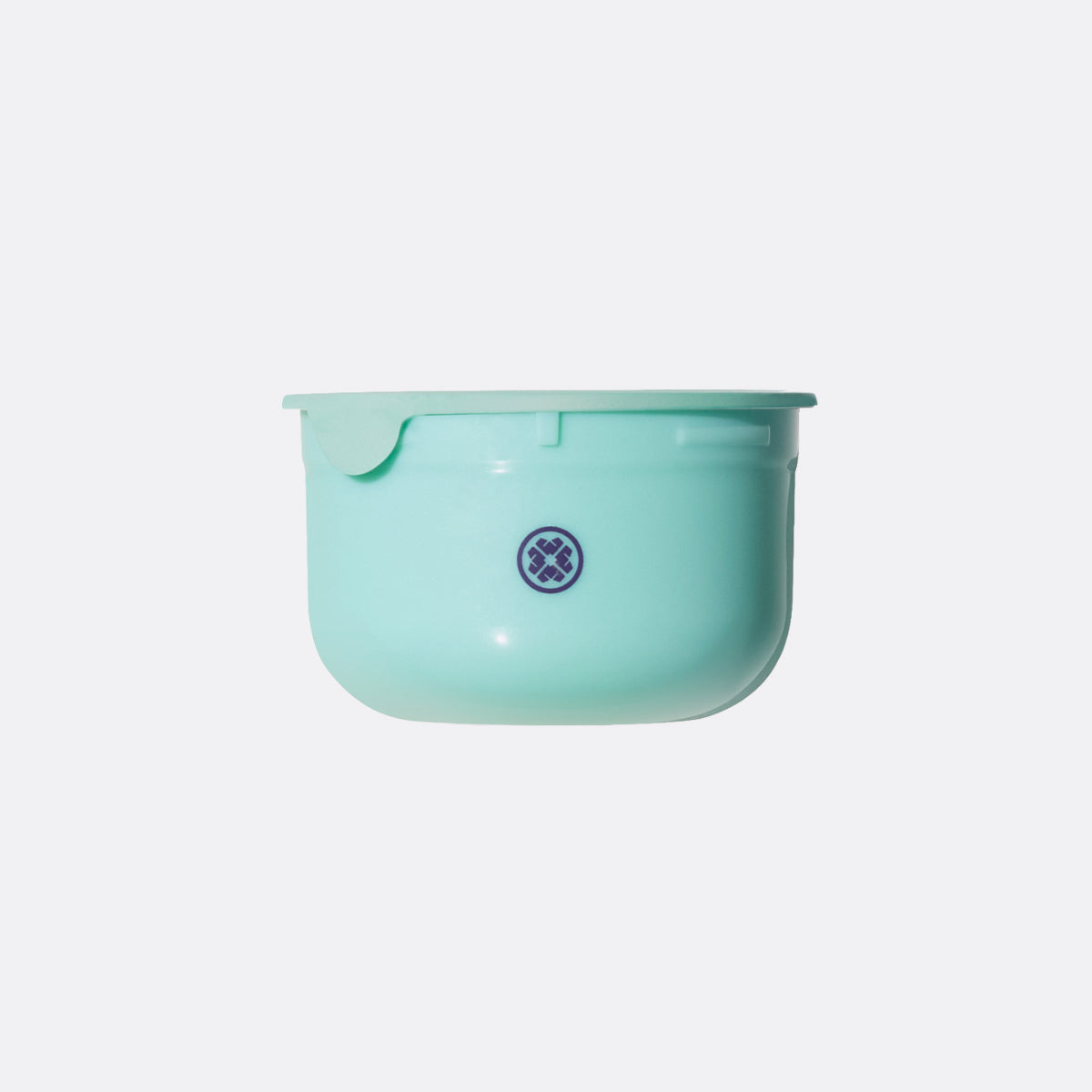
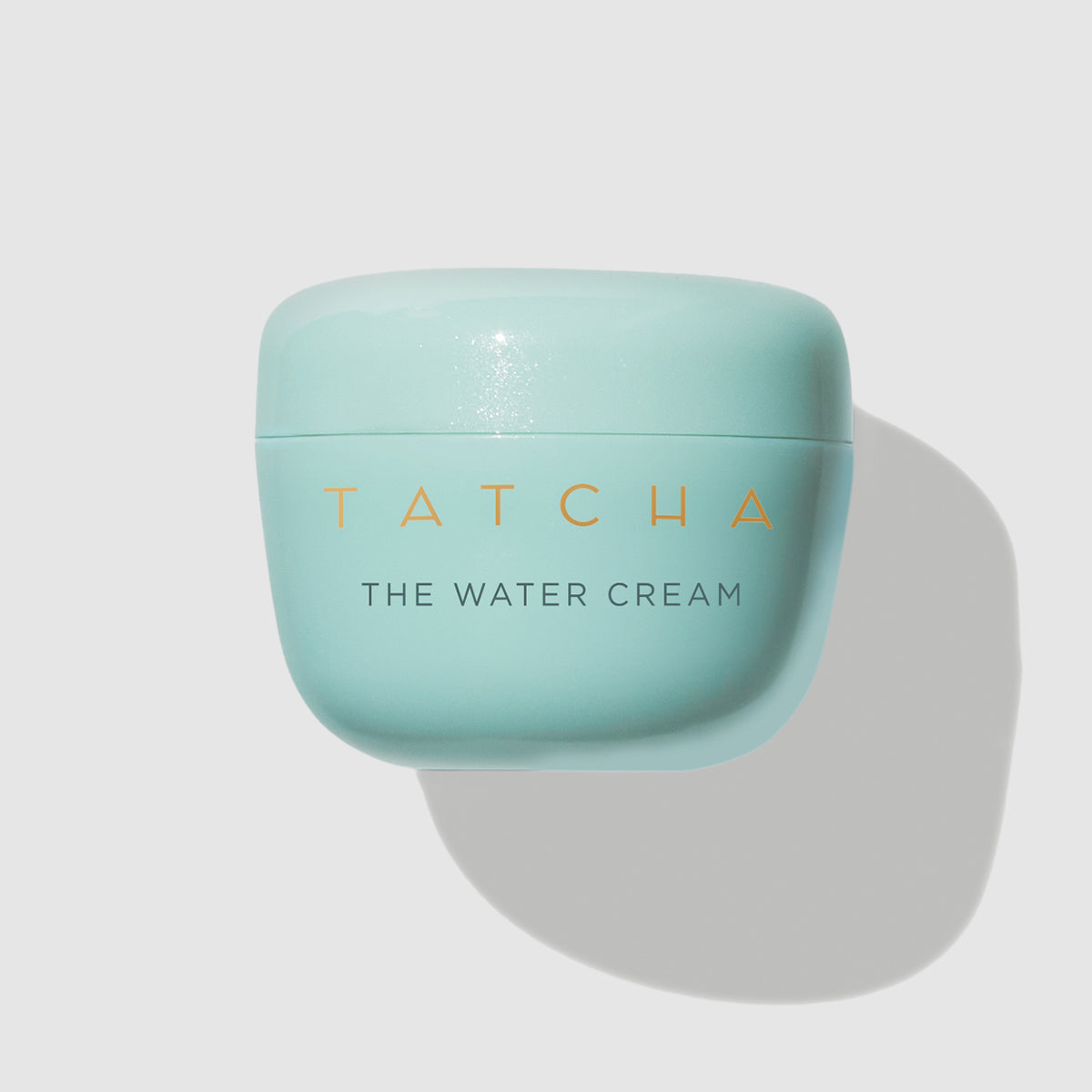
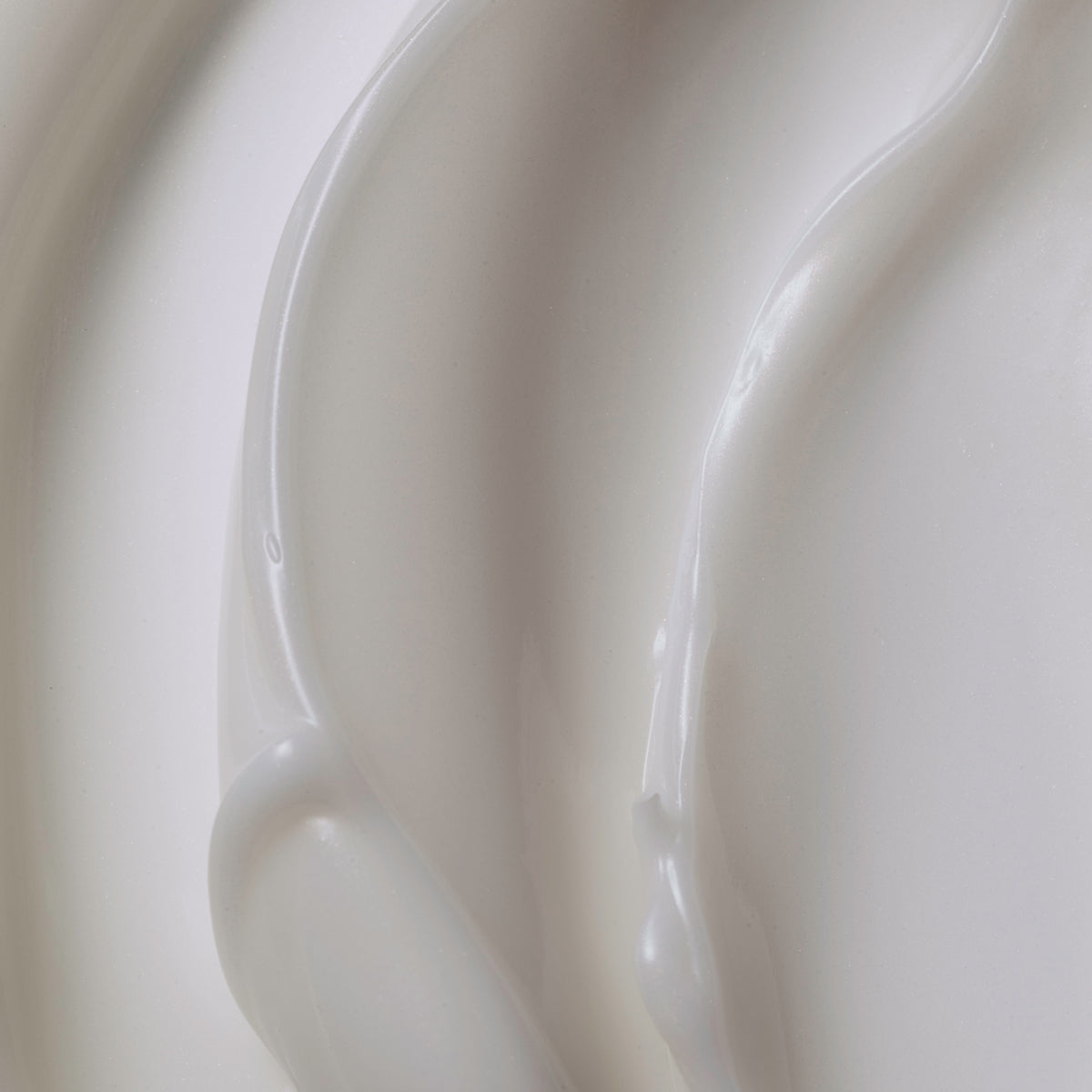
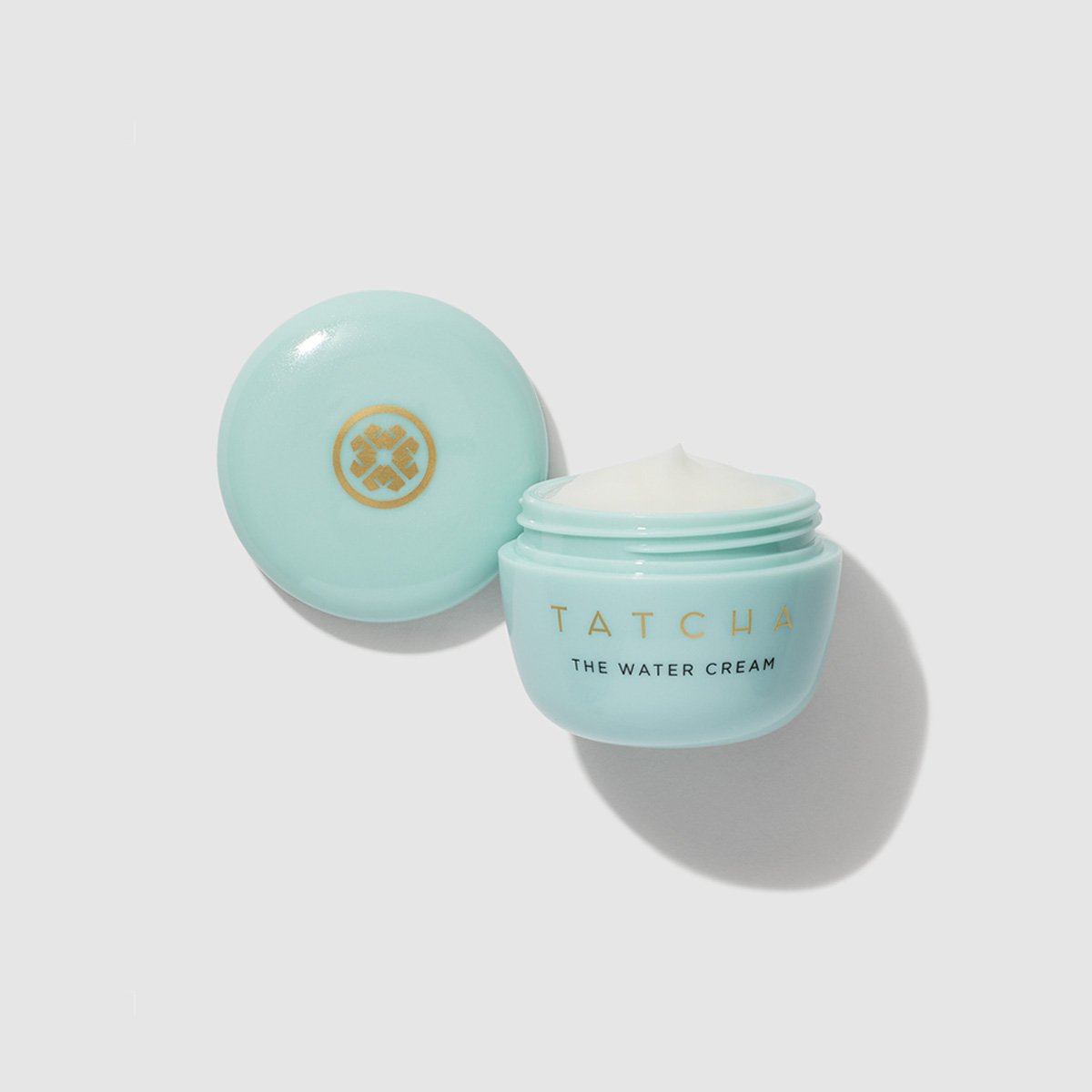
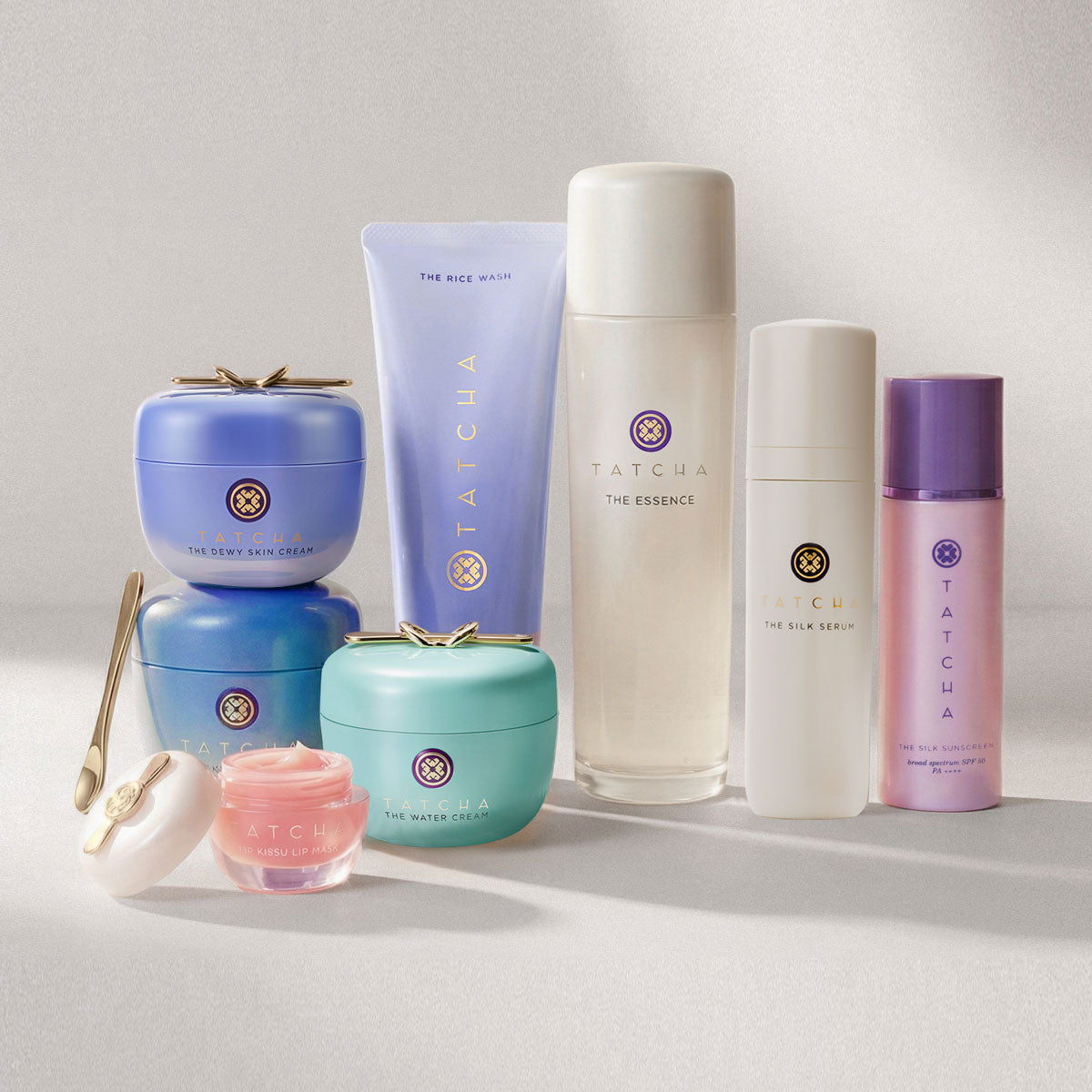
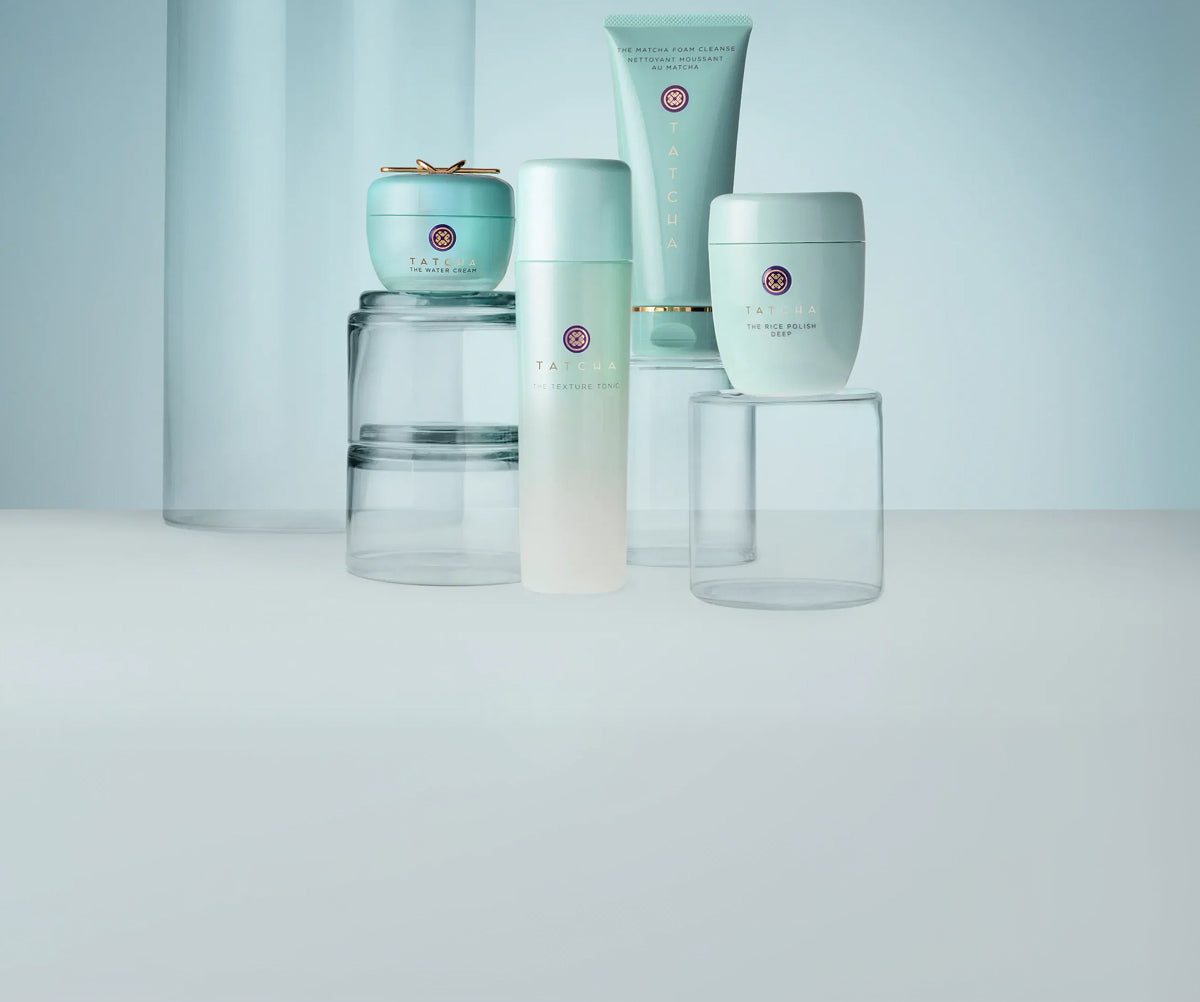
Soon after it launched in 2017, The Water Cream quickly became one of the best-selling moisturizers in Tatcha’s skincare collection. Its unique, water-burst texture is beloved by many skin types, but especially those with oily skin, who can feel trapped under thick moisturizers. By contrast, The Water Cream provides a veil of all-day moisture—and is clinically proven to refine pores, thanks to Japanese wild rose, a key ingredient.
But one of The Water Cream’s less known powerhouse ingredients is Houttuynia cordata, or heartleaf extract. It’s this ingredient that helps make the moisturizer; its antioxidant power acts like azelaic acid to protect from free radicals, helping to brighten and even tone. Its collagen boosting power, plus its calming effect, means it smooths and soothes. And it’s all thanks to the heartleaf; a plant that’s easy to love.