





A good face cream reinforces your skin’s moisture barrier, but a great face cream will contribute hydration that helps your skin health improve over time.
People are mostly made of water. The chemical comprises about 50 to 60% of our bodies, and is an ingredient in just about every metabolic process we have. Some parts of us have much higher water contents than others—for example, our organs are more aqueous than our bones, but not nearly as aqueous as our blood. Our skin is about 70% water, or more water than not, which is perhaps why so many of our skincare attentions come down to the simple act of keeping as much water in our skin as possible.
Hydration is almost synonymous with skin’s most treasured qualities: Its luminosity, its softness, its bounce. And there is not a single skin type on Earth that does not benefit from more hydration, just as there is no dermatologist who would advise you hydrate yourself less. Water is the stuff of life. It’s also the stuff of skin health.
For as long as we’ve been chasing glow, we’ve been embracing cream, which helps our skin boost its natural hydration-retention properties. The amount of moisturizer out there in the world is enough to fill an ocean, or at least the Great Lakes. Which face cream is the best at hydrating skin? To find out, you’ll have to learn a little bit about what that means.
What does water do for skin?
Water is one chemical that is essential to human function. A steady supply of water ensures that our bodies can regulate our temperatures, lubricate our joints, and keep our various internal systems working. Among these critical tasks, water also is a major vehicle by which nutrients and oxygen reach our cells.
Hydrated skin is healthy skin. When the skin’s layers are drenched in water, they are less likely to break open and let in potential irritants. Some studies even support the conjecture that drinking adequate water has other health benefits for the skin, like increasing blood flow, although the research isn’t so clear on if these benefits extend to the appearance. Anecdotally, however, you can usually spot the signs of hydration: Skin looks brighter, and plumper. Of course, our bodies require a steady supply of water to keep these processes working—at every biological level.
What’s the difference between dehydrated & dry skin?
Skin that is dehydrated and skin that is dry can look quite similar: Flakes, cracks, and uncomfortable patches. But each is the result of a specific skin mechanism gone awry. Here’s an easy way to think of skin: When it’s dehydrated, you need water. When it’s dry, you need oil.
Dry skin is one of the major skin types, and is defined by lower-than-average sebum production. Sebum, colloquially “oil”, is a natural waxy substance we produce that helps “caulk” our skin barriers. Dry skin is also something that can happen to you sporadically, due to environmental factors like wind or sun overexposure, but it’s important to distinguish between having a bout of dry skin versus the dry skin type. Dehydration isn’t a skin type, in large part because it doesn’t describe an intrinsic quality of the skin. All faces need hydration for the same reason that all bodies need water.
For many, effective skincare means keeping the oil and water of one’s skin in check. Any imbalances may give you a clue as to what your unique skin type is, but whatever the answer may be, it’s safe to say that keeping your water levels up should be a priority.
How do I know if I have dehydrated skin?
Dehydrated skin can occur when too much water is lost, and can be observed by pinching a small area of skin: If skin bounces back, it’s hydrated, but if the wrinkle is slow to smooth out, it may be a sign of skin dehydration. By contrast, dry skin results from a lack of skin-sealing sebum. The problem is not necessarily in the water content of your skin, but in the barrier that is supposed to keep water from escaping. When the skin barrier is weak, it’s only a short leap from dry skin to dehydrated skin as water is lost.
The best and most efficient way to find out if you have dry skin is to ask your dermatologist or a licensed aesthetician. An expert will be able to identify your skin type on sight. The American Academy of Dermatologists Association recommends looking for visual signs (roughness, peeling, cracking, flaking) and symptoms (itching, pain, irritation) when assessing the dryness of your skin. Left untreated, dryness can lead to openings in the skin, which can invite a host of other problems. Keep skin moisturized and hydrated to ensure its health.
Which skincare ingredients hydrate skin?
There are tons of ingredients that hydrate skin, primarily by attracting water into skin cells, but also by nourishing your skin barrier to guard against water loss. Some common hydrators too look out for include:
Alpha hydroxy acid. Put simply, these acids, known as AHAs, increase the rate of cell renewal. Some AHAs, like lactic acid, are shown to be highly effective hydrators and moisturizers.
Camellia oil. Feather-light and fast-absorbing, camellia oil benefits the skin in numerous ways and is a treasured secret in Japanese skincare.
Colloidal oatmeal. The calming variant of oatmeal has been used for centuries to relieve the painful itch and irritation common with sensitive skin.
Cranberry extract. Full of antioxidants, collagen, and elastin, this extract supports the skin’s healthy appearance, radiance, and barrier function.
Hyaluronic acid. This substance occurs in the fluids surrounding cells and tissues, but depletes with age. In skincare formulations, it is unparalleled in both attracting and binding humectants and moisture to the skin.
Peony. The blossom moisturizes, soothes, and provides superior antioxidant benefits, thanks to a natural active ingredient: paeoniflorin.
Red algae. This type of seaweed is a rich source of natural polysaccharides, lending water-binding properties that deeply hydrate the skin for a healthy-looking appearance.
Rice bran. A true superfood, and a source of vitamins, antioxidant compounds, proteins, fats, fibers, ferulic acid, and minerals. Also contains squalene and tocotrienols, compounds known to hydrate and repair skin.
Silk. Or liquid silk protein. It’s easily absorbed when infused into skincare and helps skin to look healthier, smoother, and plumper.
Squalane. This botanical lipid occurs naturally in the skin's sebum. The ingredient version, isolated from olives, absorbs effortlessly and deeply into the skin to nourish and moisturize skin.
What is the best hydrating face cream?
A good face cream reinforces your skin’s moisture barrier, but a great face cream will contribute nourishment that helps your skin improve over time. Based on your skin type, this could mean putting oil and water levels in balance. The best hydrating face cream will help draw water into the skin, but also include ingredients that help shore up the skin barrier.
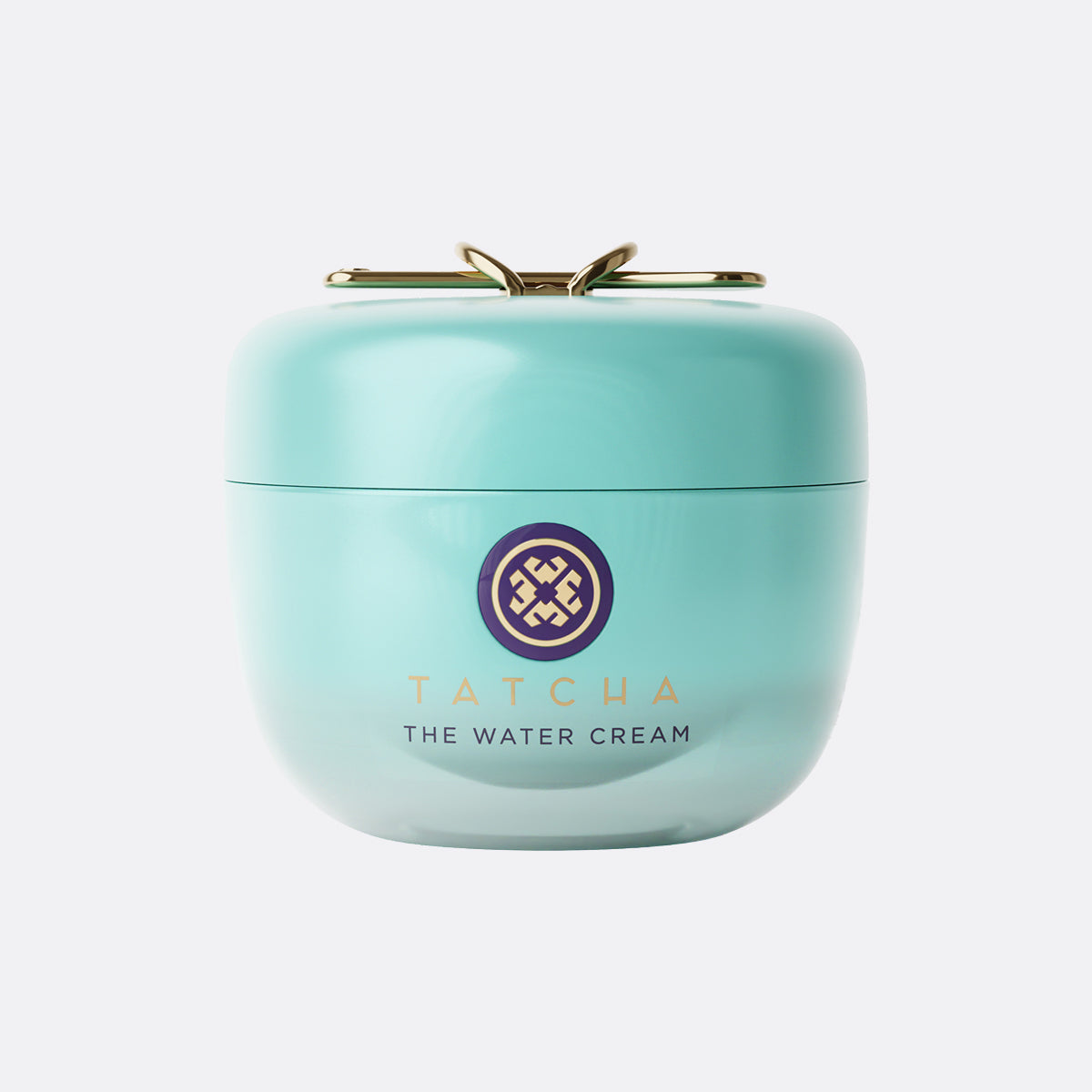
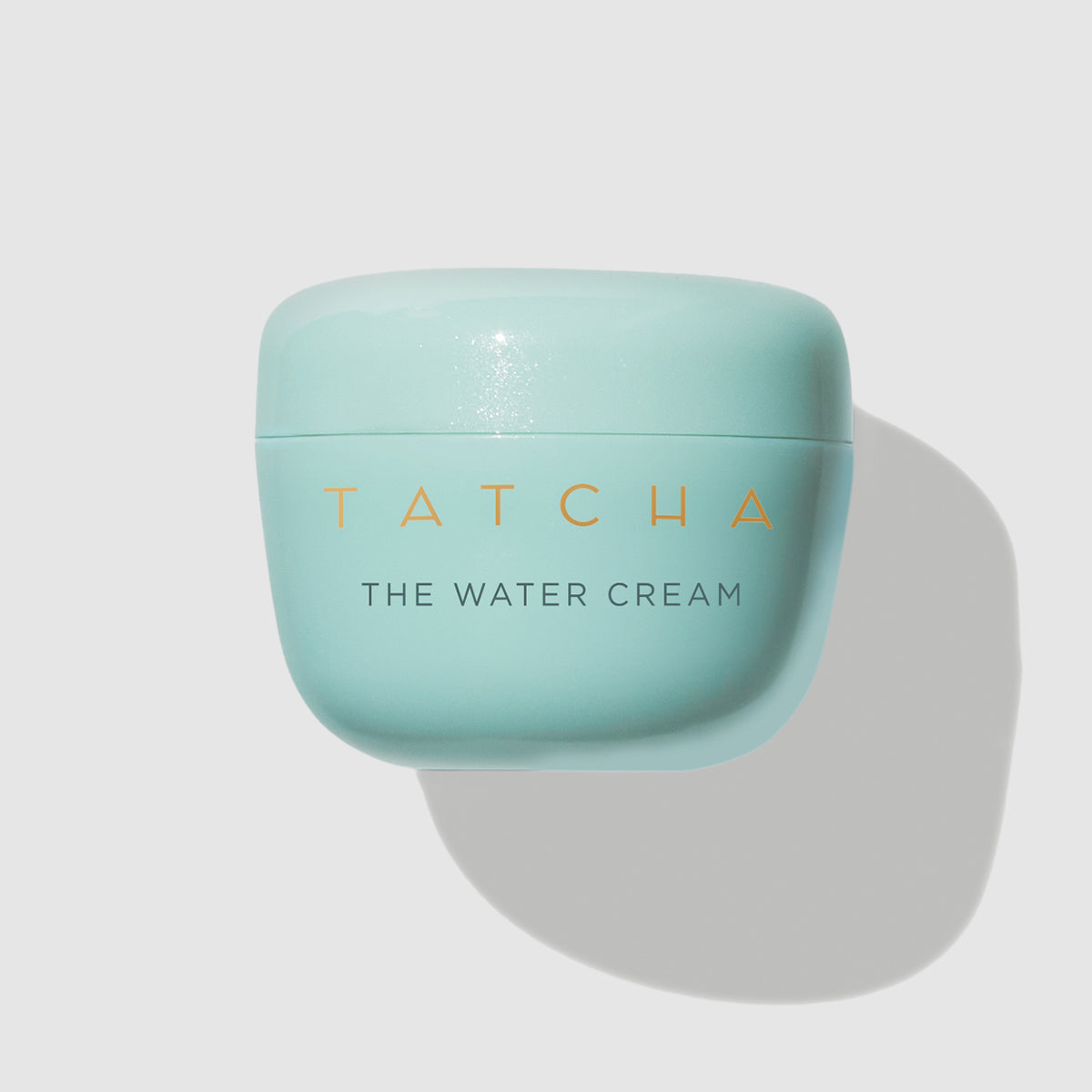
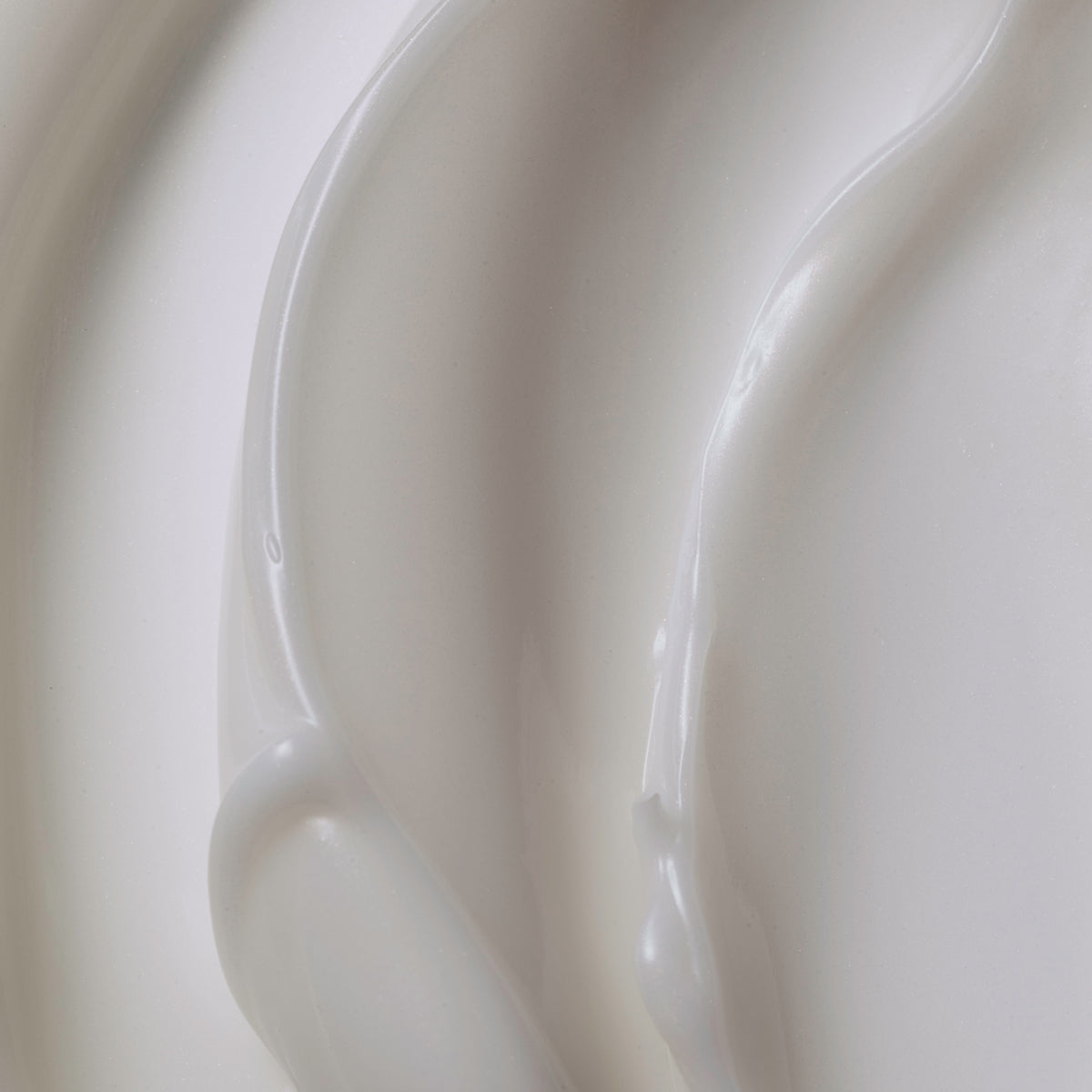
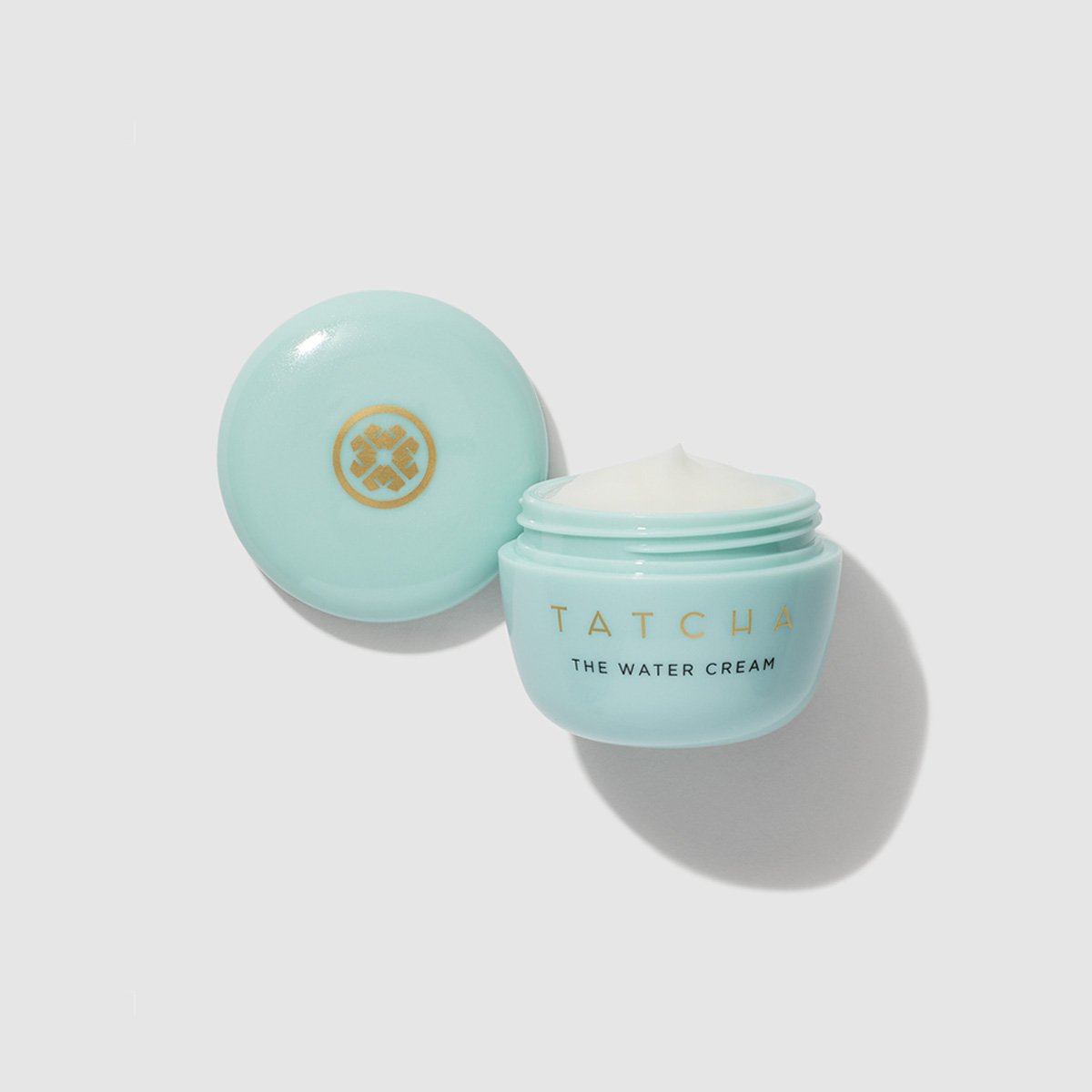
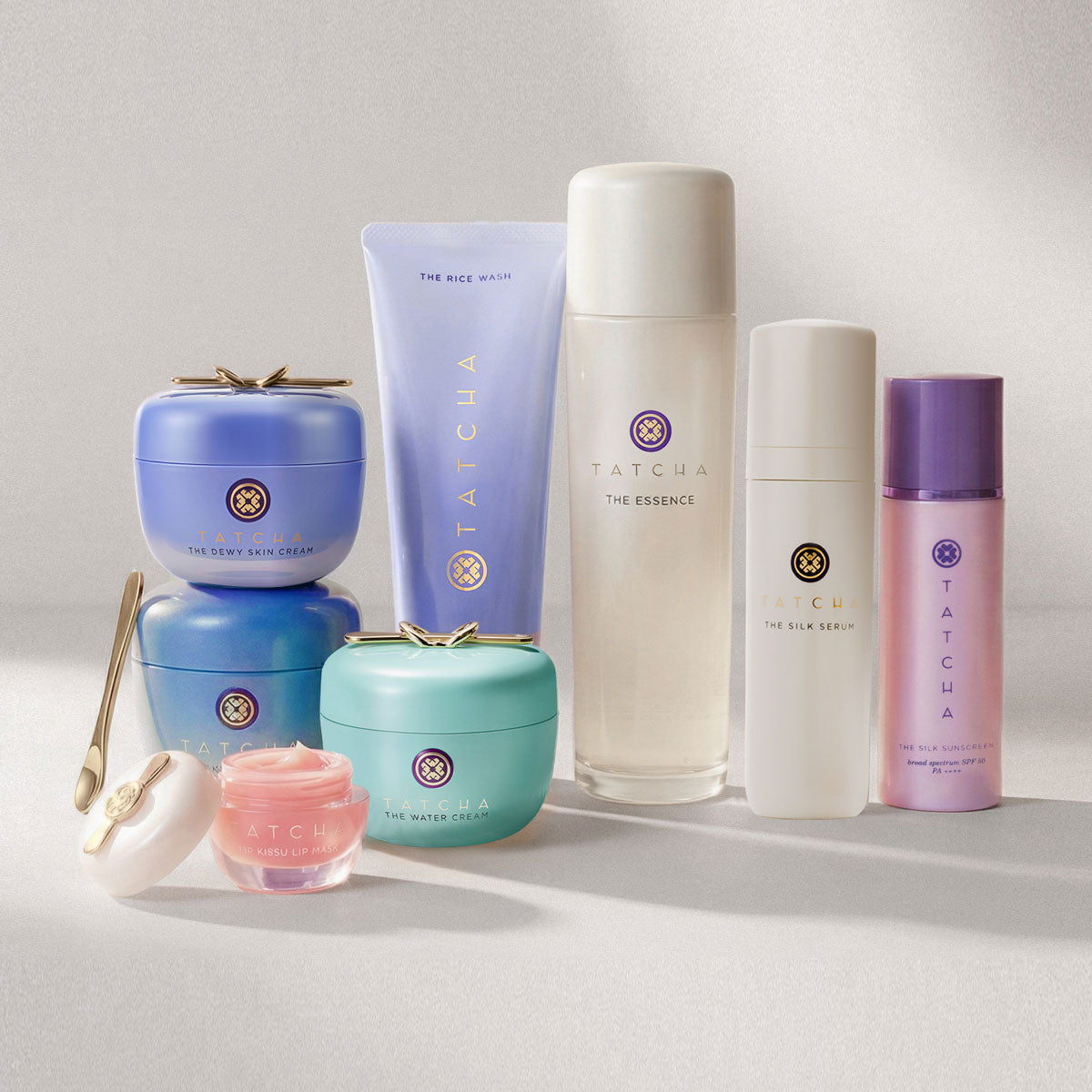
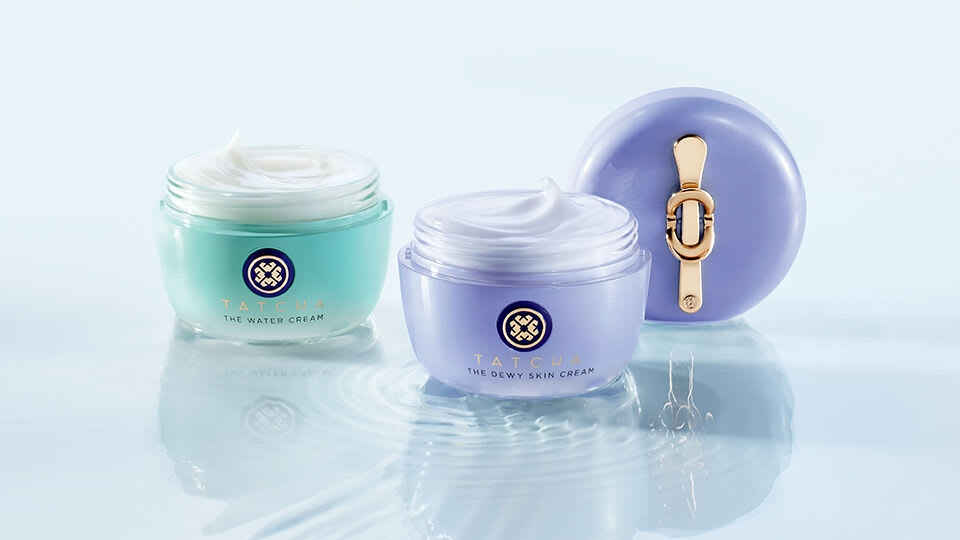
Hydration is a core value to Tatcha, which is why the brand’s two best-selling creams both address skin’s water content. The Water Cream features wild rose and leopard lily to balance the skin, unclog pores, and minimize excess oil production. Plus the water-burst cream formula also includes our Hadasei-3 Complex, which includes Uji green tea to detoxify and prevent premature aging, Okinawa red algae to seal in moisture, and Akita rice to nourish and hydrate. It’s a superb hydrating cream for all skin types.
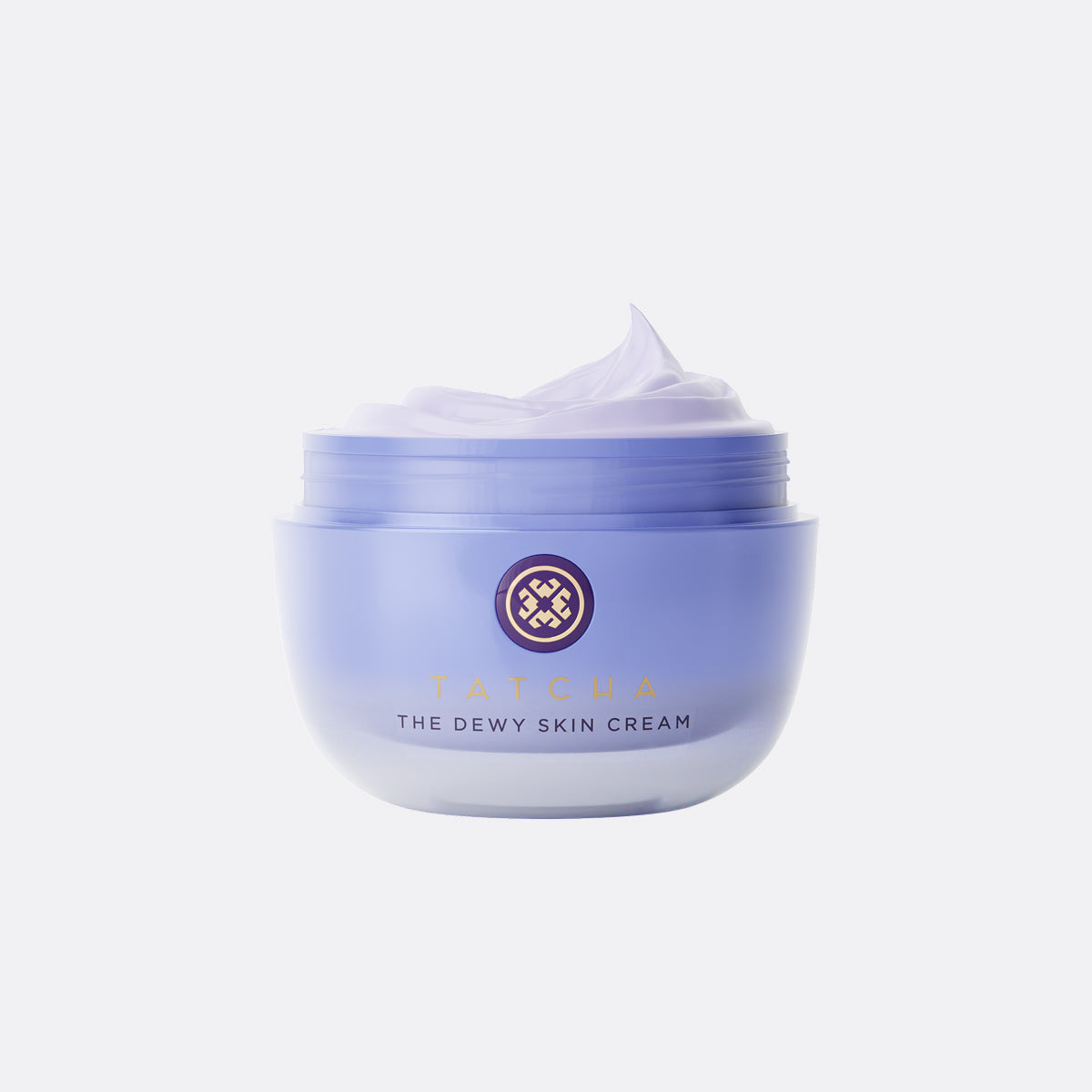
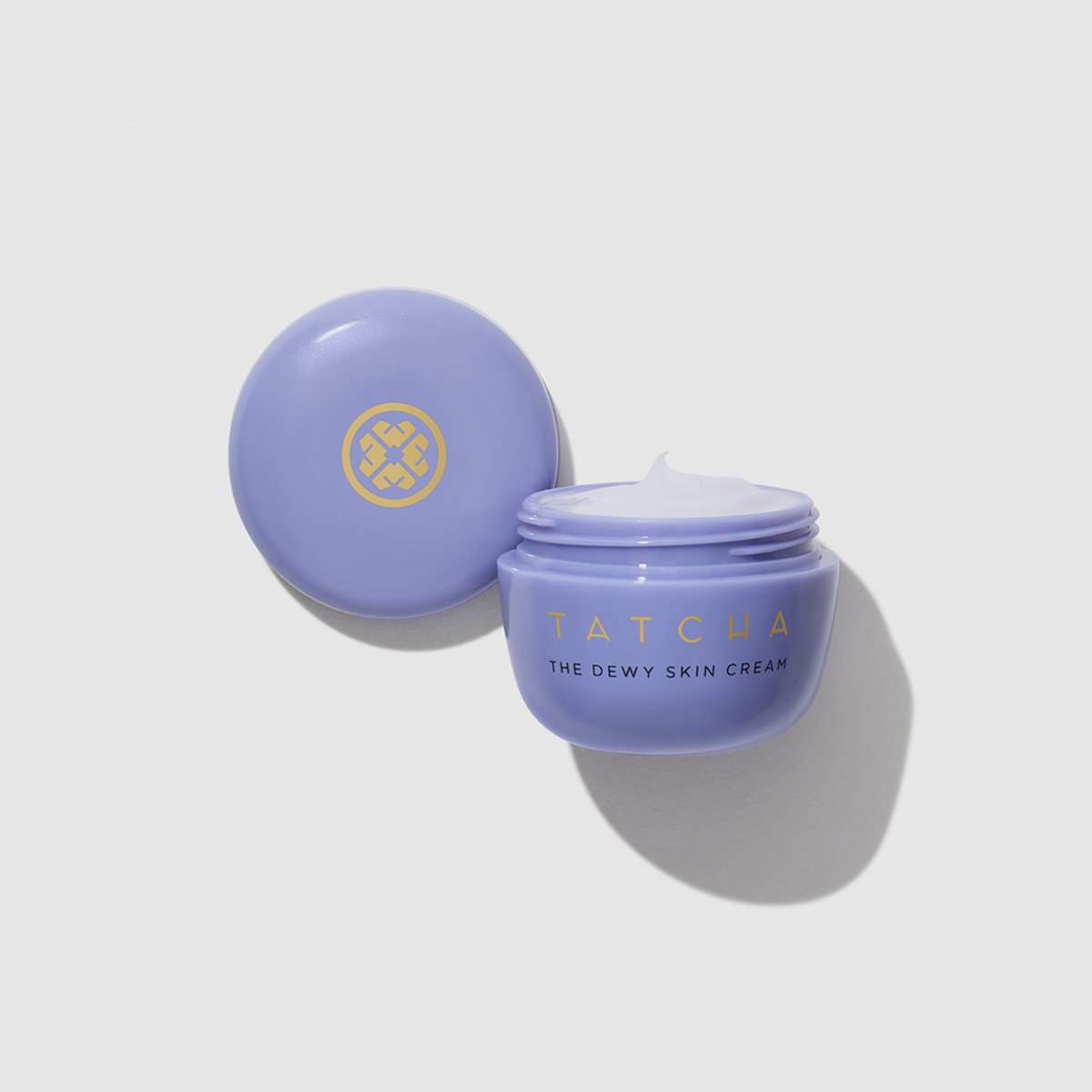
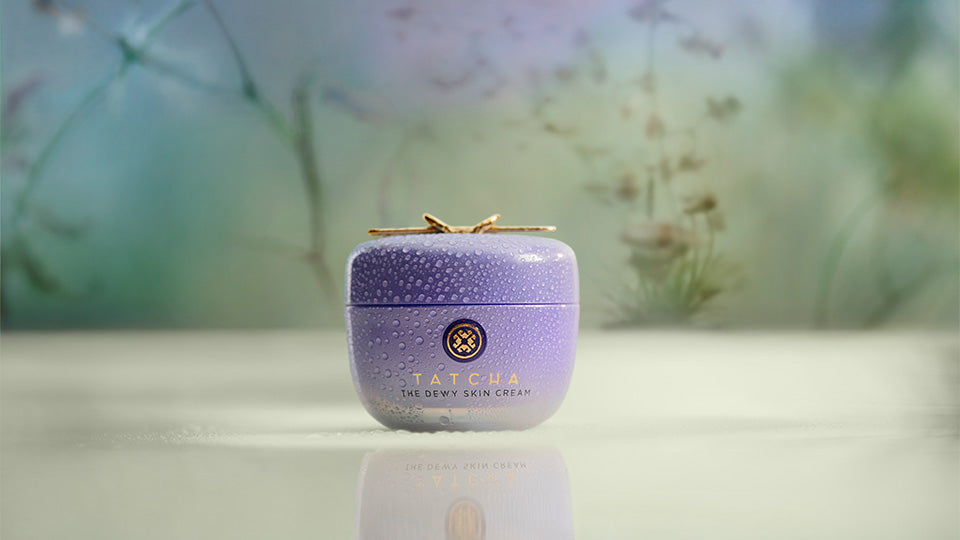
Next is the emollient-rich Dewy Skin Cream, launched specifically to give skin a natural glow and pair beautifully under makeup. The rich, moisturizing cream plumps skin for a dewy, healthy-looking appearance – thanks to antioxidant-packed Japanese purple rice, hyaluronic acid, and Hadasei-3. Dewy is recommended for drier skin but also works for all skin types. Remember that a good face cream is like a glass of water: Glow soon follows.