






T-House

The Best (And Easiest) Skincare Routine for Your 20s
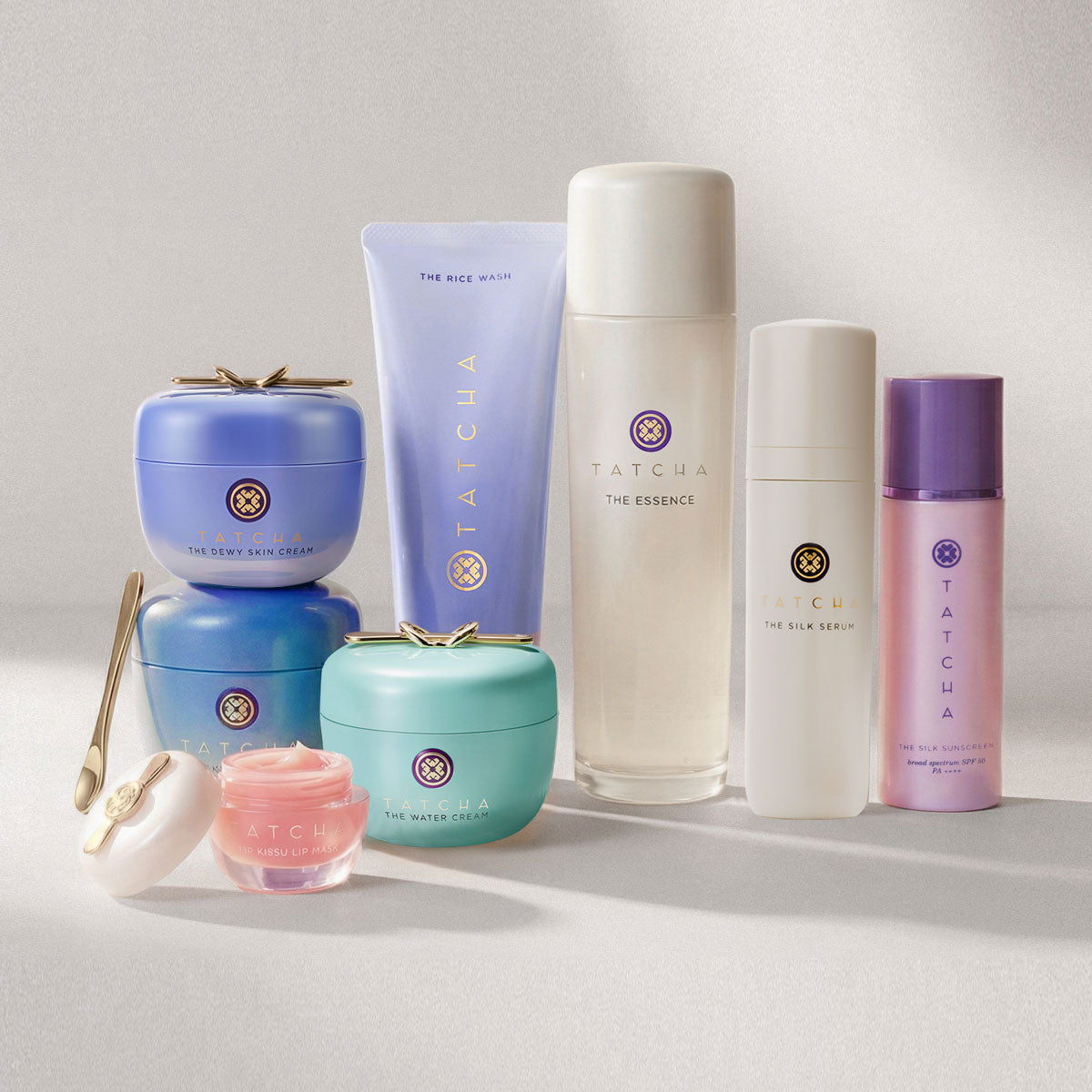
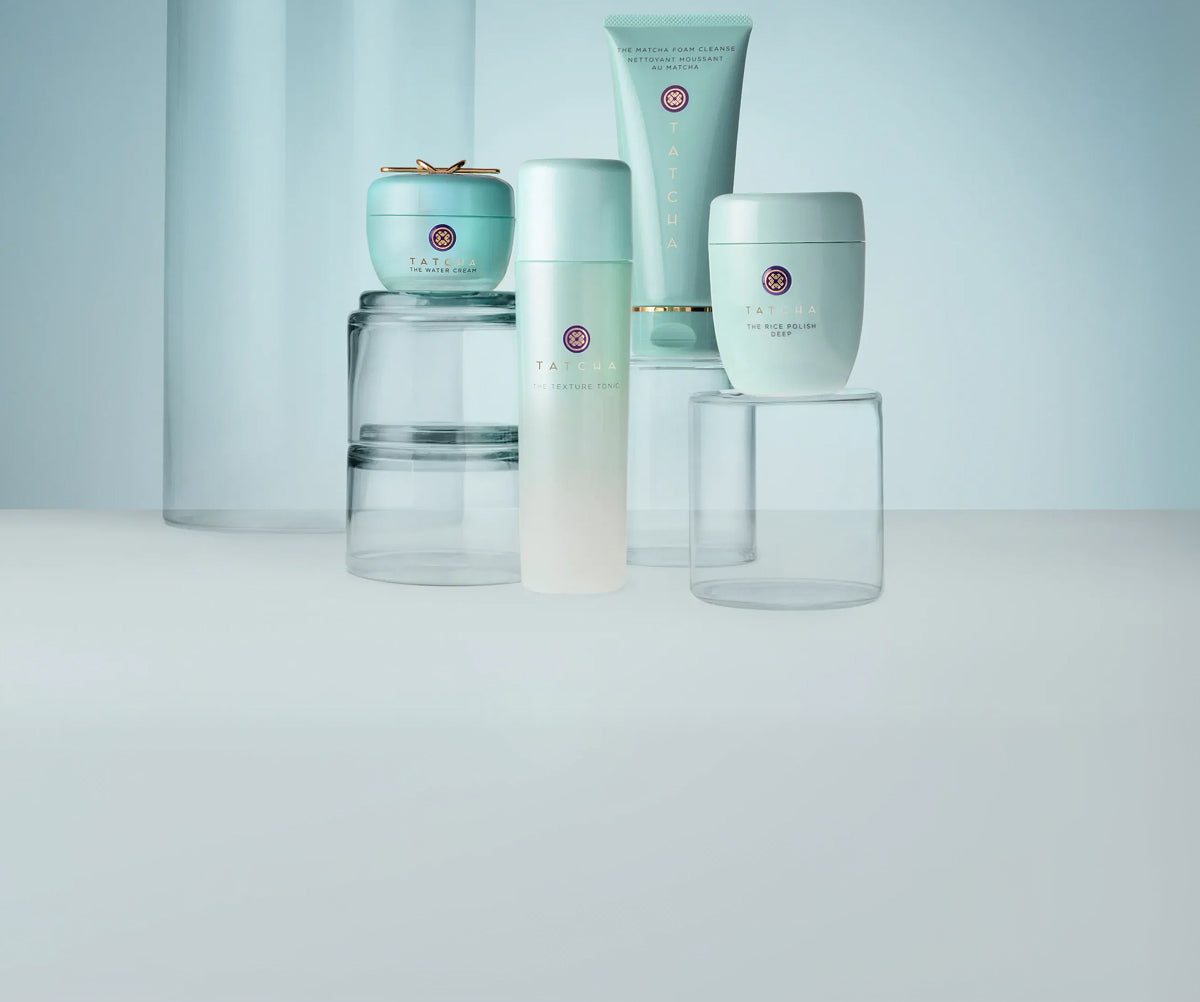
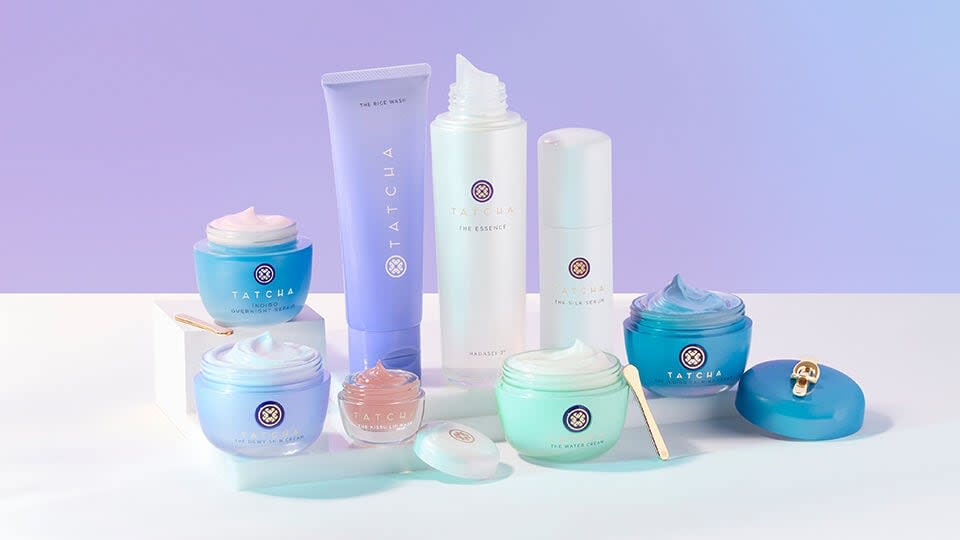
Fresh from the acne-pocked days of teenagedom, one day you find yourself embarking on your 20s—the first decade of your life when you are an adult from start to finish. It’s a time of serious change, from living at home to traveling abroad, or graduating from high school onto college or work, or even from just having a parent do your laundry to doing it all on your own. It’s also a time when you begin building routines for everything from cooking to cleaning to skincare. Your approach to taking care of yourself probably looks different from your teenage days, which were likely dominated by acne face washes and “no-tears” shampoos. And while your skin has time before it matures—signs of aging usually don’t appear until your 30s—the groundwork you lay in your 20s can have benefits that last decades. There’s no better time to begin a skincare routine than as soon as possible: Good skincare practices lead to good skin. Before we build the perfect skincare routine for your 20s, here are a couple things to keep in mind when caring for young skin. Stop tanning. Start sunscreening. The first thing you need in your stash is a good sunscreen. Sunscreen is important to wear as a kid, which is why so many beach day memories are slathered in a thick layer of white cream. But it doesn’t lose its importance when you become an adult. In fact, sunscreen should be a part of your daily routine for the rest of your life. When our skin is exposed to the sun for too long, it can be damaged at its deepest levels by ultraviolet radiation. Two types of ultraviolet rays are primarily responsible for this damage: UVA rays, which reach down into the skin and can age it prematurely, and UVB rays, which char the skin closer to the surface and can cause burning. Overexposure to the sun is also understood to be one of the main causes of skin cancers like melanoma. For decades, tan skin was in vogue, and to appear to have skipped sunscreen was in fact a desirable look. Perhaps it’s our new understanding of the dangers of UV radiation exposure that have made tanning a less popular pastime than it once was. At least one study found that fewer Americans were using indoor tanning services, such as beds lined with UV lights, than in years past, but 10 million Americans still tan at least once yearly. It’s important to be aware that exposure to UV light in a tanning bed carries the same risks of exposure to UV light from the sun. The American Academy of Dermatology advises against indoor tanning. Learn about exfoliation. Exfoliation, or the removal of dead skin-cell buildup, is a necessary part of anybody’s skincare routine. By the time you reach your 20s, you may have already tried it when you indulged in a skin scrub. These products use finely milled materials, like sugar or coffee grounds, to buff dead skin away. (Tatcha, a brand that uses Japanese botanicals uses a fine rice bran for its gentle and effective Rice Polish.) This form of exfoliation known as physical exfoliation works in large part thanks to friction. Another form of exfoliation, chemical exfoliation, cleanses the skin using acids that can dissolve the bonds between living cells and dead ones. In the offices of aestheticians and dermatologists, these acids can be dialed up to induce peeling, but in skincare products they are usually gentle enough for daily use. Daily chemical exfoliants are typically lighter than your average moisturizer or serum. The Texture Tonic, which incorporates alpha hydroxy acids derived from apple, grapefruit, orange, lemon, lime, hawthorn, and jujube fruit extracts, feels like an essence or toner. In the end, the best method of exfoliation for your skin depends on your skin type—or just personal preference. Give your ingredients an upgrade. As a teen, the odds are good you dabbled with acne-zapping face washes—if you dabbled in skincare at all. In your 20s, your options multiply. Before you wade into ingredients, ask yourself: What do you want for your skin? Or what does your skin want? Depending on your goals, these tried-and-true go-tos may help you: Hyaluronic acid. This molecule is naturally abundant in places where our bodies need lubrication, like in our joints. Dusted into skincare formulations, it helps cells bind water, and offers other replenishing benefits, too. Hyaluronic acid can be used at any time throughout day, is generally easy to add to your routine, and is found in many different formulations, from moisturizers to face mists. Retinol. This vitamin A derivative is backed by tons of research—and doctor recommendations—for its ability to resurface skin. (Because of its powerful effects, retinol is usually found in products you put on at night before bed.) Natural botanicals have also been discovered that mimic the benefits of retinol when applied to skin. If fine lines or uneven skin texture is a concern, reach for a retinol or a retinol alternative. Vitamin C. This potent antioxidant has manifold health benefits, so it shouldn’t come as a surprise that it can also benefit the skin. Vitamin C neutralizes the free radicals that occur from sun exposure, and also aids the skin’s natural regeneration process. Vitamin C is usually found in vitamin C serums. More on those later. Get some expert help. Welcome to adulthood. Do you have a dermatologist? Though some skincare advice is fine to seek out on Google, it’s a good idea to have a professional in your corner who can help observe and treat your skin over time. A dermatologist, or a trusted licensed aesthetician, can also turn your skin goals into product recommendations or in-office treatments. Whatever you do, make sure a skin doctor is included on your medical roster, if for no other reason than this: The Skin Cancer Foundation advises you get screened for skin cancer once a year. It’s possible to check yourself, but it’s not unwise to leave it to the expert, too. A Skincare Routine for Your 20s Keeping all of this in mind, you can assemble a skincare routine that will help your skin adjust from adolescence to adulthood. “Consistency” is a keyword that doctors often use when making skincare recommendations, because it’s the most important ingredient of any regimen: Repetition begets results. You can use the below outline to get a sense for what an effective multi-step skincare routine for your 20s might look like. 1. A gentle cleanser. Washing is the first—and one of the most important—step of any skincare routine for two reasons. The first is that it removes accumulated dirt and build-up that can cause irritation and acne. The second is that it preps the skin for other skincare products. Cleansers come in a wide variety of textures, but you might prefer one that doesn’t strip skin of its natural moisture, like Tatcha’s creamy Rice Wash. A thicker formula like the Indigo Cleansing Balm can melt waterproof makeup away while restoring moisture—two benefits in one. 2. A super serum. You could call this the “treatment” step of your skincare routine. Remember those active ingredients you learned about earlier, vitamin C and retinol (and its alternatives)? This is where they come into play. Often, they are distilled into serums, which have a lighter texture and should be applied post-cleanser and pre-moisturizer. Finding a serum is as simple as finding one fortified with your desired active ingredient: Some serums like The Dewy Serum are made with plumping hyaluronic acid, and others like The Brightening Serum are made with glow-inducing vitamin C and alpha hydroxy acids. 3. A plush cream. No need to get too fancy—all you need is a simple moisturizer that will seal your skin barrier, keeping hydration locked in and irritants locked out. Tatcha’s The Dewy Skin Cream works on both fronts, thanks to superpowered botanical extracts purple rice (full of antioxidants that fight pollutants and cellular stress) and Okinawan algae (blended with hyaluronic acid to boost moisture retention). 4. A sunscreen. But you already knew that. Make sure you find a sunscreen you really like: You’ll be using it every day.

The Best Tatcha Products for Your Skin Type
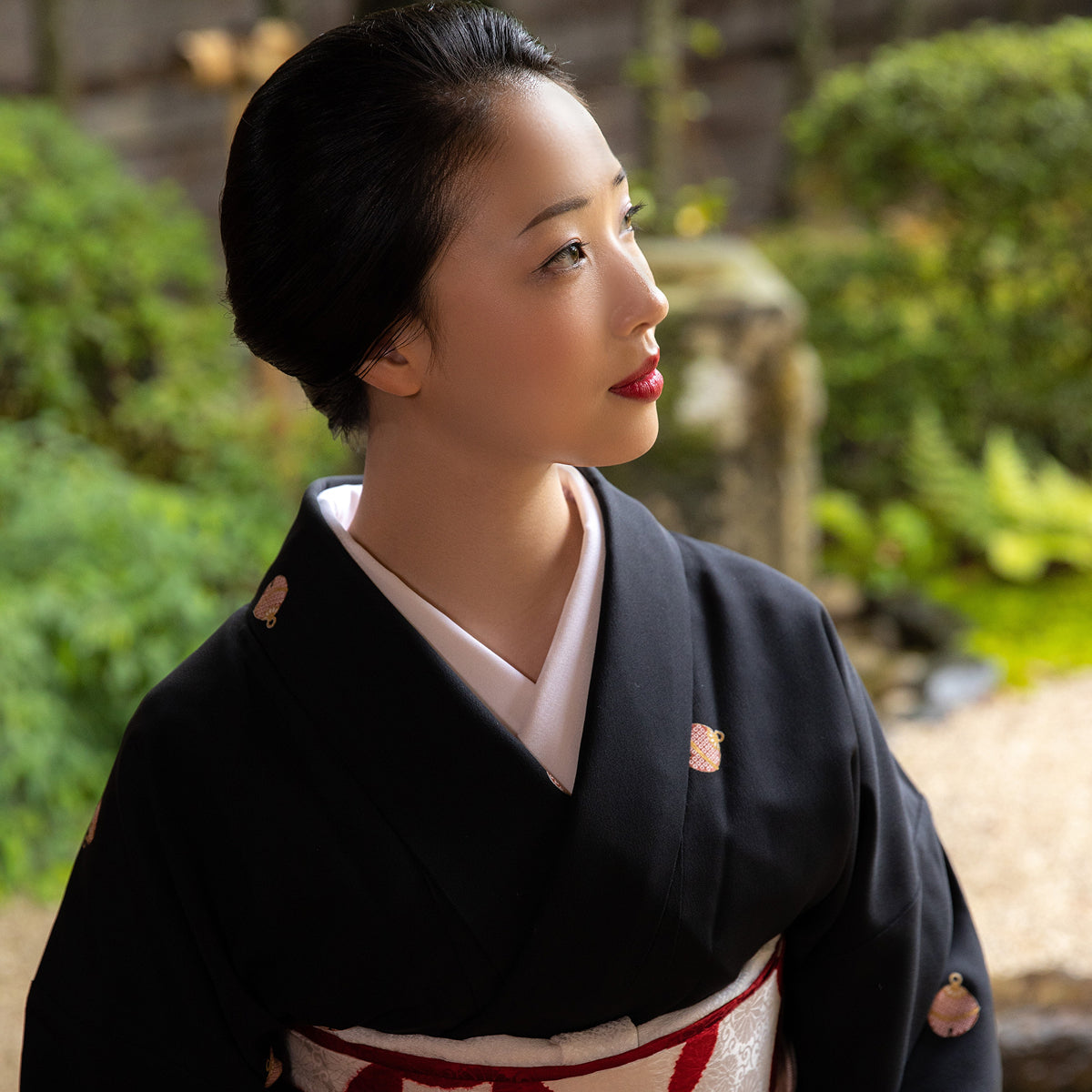
For years, Tatcha has brought its expertise in Japanese skincare ingredients to faces all over the world. This guide will help you choose the Tatcha products that’ll most benefit your skin type. Some beauty founders have dreams of grandeur, but that wasn’t exactly the case for Vicky Tsai—she just wanted to make products that worked for her skin.So Tatcha was born: Not with a bang, but with a wish. Her career in finance kept her constantly on her feet, on her computer, or on a plane, until one day, she woke up to find her skin was reacting. “My entire face was covered with red, blistering, cracked, and scaling skin—not even my lips or eyelids were spared,” she wrote in her book Pure Skin. “I have always loved meeting new people, but during that time I withdrew from the world around me. This experience sent her on a journey that began on a layover in Japan, when a friend introduced Tsai to special blotting papers—a product of Japanese craftsmanship and heritage with a long history of use. Tsai was told all about how blotting papers, and other inventions made from Japanese botanicals, have been used in skincare formulations throughout Japanese history. Geisha performers who wore heavy white makeup would use blotting papers and the oil of the camellia flower, or tsubaki, to keep their skin luminous and healthy between performances. In Kyoto, Tsai learned how to mix rice powder and camellia oil to make an exfoliating treatment. She went home, and within four weeks of using these skincare formulations, her dermatitis cleared up. As soon as Tsai figured out a way to formulate with these cherished ingredients, Tatcha came to be. The brand was founded on the idea of providing efficacious skincare to all faces using Japanese botanicals in gentle but efficacious formulations. Of course, no two faces are the same, which is part of the reason why the brand’s collection has extended to accommodate all skin types: dry, normal, oily, sensitive, mature, or all of the above at one time or another.Whatever your skin type, there’s a Tatcha routine for you. Now let’s figure out what that is.What are the basics of skincare?Every face, regardless of its skin type, needs just a few basic products in order to support its health and function.The skin is the largest organ in the human body, responsible not only for keeping all of our other systems intact and protected from the outside world, but also for keeping bad stuff out. In fact, skin’s chief function is as a barrier. Ensuring the integrity of this barrier is the main goal of skincare.There are a few ways we do this. Most dermatologists recommend a very simple regimen. The American Academy of Dermatologists Association outlines a simple skincare routine beginning by washing the skin (to cleanse), followed by a moisturizer (to seal the skin barrier), and then a sunscreen to protect from overexposure to ultraviolet rays.Three products might be all you really need. But depending on the goals of your skin, you may also want to include other ingredients to balance skin’s oil and water content or just to add additional nourishment with powerful actives. Figuring out your unique skin type can help you get closer to the skincare routine that’s best for youWhat’s my skin type?Luckily, skin types are not too hard to parse out. The main ones describe your skin’s oil content, which can probably be observed in your mirror. When in doubt, a dermatologist can point you in the right direction. But if you’d like to first try to figure it out on your own, we at Tatcha recommend two simple tests.The bare-face method. All you need to do is wash your face gently, pat it dry, wait 30 minutes, and inspect your face for signs of oil. Then wait another 30 minutes and check again. If your skin remains matte and unoiled, you probably have drier skin; if it gets oily immediately, you probably have oily skin; and if the oil is only local to some areas, you’re likely to have combination skin.The blotting paper method. This one is a little easier, and only requires blotting paper. Take one sheet of paper, press it into your skin, and then hold it up to the light: The more translucent the paper is, the oilier you are; the more unaffected the paper is, the drier your skin is.These two steps cover the main normal, oily, and dry skin types, but there are two others. They’re less easily observable, and yet you’ll probably know if you have them. Sensitive skin, for example, is more reactive than other skin types, and likely to refer to those who are battling breakouts more often than not. Mature skin describes skin that is displaying some of the first signs of aging, from wrinkles to hyperpigmentation. What are the best Tatcha products for my skin type?Once you’ve figured out your skin type, building a routine becomes an easier task. You already know the standard building blocks of skincare, and now you can tailor those steps to the needs of your unique skin type. Heed some of these product recommendations based on how oily, dry, combination, or sensitive your skin is. For normal skinThe term “normal” is a bit of a misnomer here—skin that happens to be oily is just as normal an occurrence as skin that isn’t. But for the sake of the term, normal faces aren’t prone to an excess nor a dearth of face oil, but they also don’t often tend towards dryness. This skin type isn’t exempt from these conditions, but they occur less often.Normal skin needs what every skin type needs: A cleanser, a moisturizer, and of course, a sunscreen. Overexposure to ultraviolet radiation not only can damage the skin and cause premature aging, but it’s also the number one risk factor for skin cancer. The SPF 50 Silk Sunscreen is suited for all skin types: A zinc oxide filter reflects the sun’s rays, while niacinamide and hyaluronic acid work in tandem to hydrate skin. It’s not just clutch for normal skin types, but for all skin types. For oily skinWhen we talk about “oil” in the context of skin, we’re usually talking about sebum, the waxy and essential substance that our skin naturally produces. Sebum is secreted by glands that are tucked within hair follicles, according to the Cleveland Clinic; this sebum is made up of some of the stuff that fortifies our skin barrier. When the skin produces too much sebum, it can cause acne.The main goal of those with oily skin is simply to keep their oil levels in check, which is achievable using a variety of skincare products. Oily skin can benefit from an oil-controlling cleanser like Tatcha’s The Matcha Cleanse , a fragrance-free gel cleanser that purifies congested pores without stripping skin. But it can also benefit from updating your moisturizer to include ingredients that are shown to regulate skin’s oil content. Tatcha’s The Water Cream, for one example, is a gel formulated with oil-controlling floral extracts from wild rose and leopard lily. One plastic surgeon recommended the Water Cream to Allure magazine specifically for oily skin: “I love the transformation when you apply this hydrating, oil-free water cream.” For dry skinDry skin isn’t exactly what it sounds like. Remember how the main skin types have to do with skin’s oil content? Dry skin is an absence of oil, or sebum, but not necessarily an absence of water. More so than normal or oily skin, dry skin can feel uncomfortable at times, even painful. Symptoms of dry skin can include tightness, thickening, or cracking—usually, dry skin feels rough to the touch. Risk factors for dry skin range, and include intrinsics like age and biology, as well as extrinsics like weather or occupation. (A potter is probably likelier than a typist to have dry skin on their hands because of the materials they handle.)The goal of making dry skin less dry involves nourishing that ever-important skin barrier. Between cleansing and moisturizing, a face mist can help prime the skin for more moisture—Tatcha’s Luminous Dewy Skin Mist is a cult favorite infused with the brand’s signature skin complex. Other products that are lighter than creams in texture, like serums or essences, can be patted onto the skin for an extra burst of hydration.But a rich skin cream will benefit dry skin types most of all, especially if it’s loaded with ingredients that have been shown to replenish the skin’s barrier. The Dewy Skin Cream is ideal for dry skin, but good for anybody who wants a little moisture boost: A special blend of Okinawa algae and hyaluronic acid captures water to help restore skin’s natural moisture reservoir. For sensitive skinSensitive skin is a trickier skin type. Despite it’s prevalence—some studies suggest that half of a given population anywhere has sensitive skin, while lower rates have been observed in places where skin runs darker—it is more complicated than oily or dry skin.Sensitive skin is characterized by “epidermal dysfunction,” or a higher rate of skin reactions and breakouts when compared to other skin types. These sorts of reactions can range in their expressions, from dryness to redness to full-blown rashes. They’re usually not difficult to spot when they arrive, and frequently, they’re caused by reactions to potentially irritating stimuli, like the weather, or pollution, or sun exposure, or skincare products.Whereas adding products to one’s routine might be advantageous for another skin type, it can be riskier for the sensitive skinned, who may be more cautious about trying new things. If it helps, try thinking less about products and more about ingredients. There have been plenty of ingredients shown to calm down reactive skin—some of them, like Japanese indigo, are are medicinal botanicals that have long histories of use. (During the Edo period in Japan, Samurais wore a layer of indigo-dyed cotton beneath their armor to help heal injuries.) Indigo contains tryptanthrin, known to help flush away toxins and irritants, and indirubin, which supports the skin’s natural barrier function. Tatcha uses Japanese indigo and its powerful natural compounds for its sensitive skin formulations, like in the butter-soft Indigo Cleansing Balm and the soothing Indigo Calming Face Cream. It’s even earned acceptance from the National Eczema Association. For mature skinUnlike any other skin type, mature skin happens to every single one of us, and might be the one skin type that everybody has eventually. Towards your late 30s and early 40s, the signs of aging begin to appear. Skin loses volume and elasticity and wrinkles and age spots begin to emerge.In Japan, aging is viewed as a gift, rather than something to dread. The goal is not to look baby-young but to have healthy-looking skin at any age. Some of the most important aspects of promoting skin health could be categorized as everyday healthy living—not smoking, limiting stress, eating a nourishing diet. The impetus for wearing sunscreen only gets more powerful as you age and your risk of skin cancer increases.There are other considerations for mature skin, too. First, make sure you choose a cleanser that doesn’t tug on your skin or dry you out. (Tatcha’s two-in-one Camellia Cleansing Oil is a fabulous choice—its featherweight texture mimics the skin barrier, and moisturizes while it washes.) As our skin has difficulty holding on to nourishment as we age, it’s a wise idea to bolster your barrier with nourishing ingredients, like those distilled in the Ageless Enriching Renewal Cream. In addition to providing superior moisture, it also includes botanicals like peony flower and gardenia fruit extract that help address the loss of elasticity and diminish the appearance of fine lines and wrinkles. Mature faces might also enjoy incorporating products that bring these powerful ingredients to the areas of our skin that need it most or are sometimes neglected. Enter the Ageless Revitalizing Eye Cream and Neck Cream, both of which tout firming as a chief benefit to make up for elasticity lost to age. The skincare market is huge, with plenty of options for every single skin benefit you could think of. By identifying your skin type, you can narrow them down to the ones that work for you.
How to Start a Skincare Routine
Starting a skincare routine can feel intimidating, but with these few tips and product suggestions, you can easily uncover a ritual that’ll benefit your skin today. How do you start a skincare routine? According to Tatcha’s founder Vicky Tsai, taking into consideration your psyche, skin type, and needs. But don’t let the concept of a daily routine make you feel intimidated—a successful skincare ritual can be only a few steps and take less than a minute to accomplish. Keep reading to uncover tips on how to start a skincare routine (even for beginners), how to introduce new skincare products, and the best formulas for you.How to Start a Skincare RoutineDetermine Your Skin TypeKnowledge is empowering, so caring for your skin begins with understanding its unique characteristics and needs, says Tsai. Discovering your skin type can take mere minutes and will help you make smarter skincare choices that’ll benefit your specific skin. To determine your skin type, we suggest using either The Bare-Faced Method or The Blotting Sheet Method to best identify your type of skin.Pinpoint Your Skincare GoalsFurther build out your skin’s characteristics and needs by zeroing in on your concerns and goals. Hoping to brighten dark spots? Looking to unclog pores and clarify acne-prone skin? Pinpointing your specific concerns will allow you to supplement your skincare routine with products and ingredients that can address these issues.Be Realistic“Beauty routines are personal and in my opinion, an extension of your psyche," adds Tsai. Meaning that you’re not likely to veer far from internalized preferences. Enjoy indulging and luxuriating in self-care? A skincare routine with multiple steps might be a great option for you. But perhaps you’re the opposite—and adhering to a multi-step ritual might feel exhausting and time-consuming. (That’s perfectly okay, there’s still a skincare routine—one that can even be completed in less than a minute—that’s right for you.) Being realistic when considering a skincare routine will help you tailor it based on your needs—and help you not be over- or under-whelmed.Be Consistent (and Patient)As with many things in life, consistency is key. It can take months to know if a skincare product is working and see changes or results in the skin, so be patient. Sticking with a skincare routine, morning and night, can result in significant benefits, but only if you continue to follow it regularly.Start SlowWondering how to introduce new skincare products into your daily ritual? The golden rule of thumb when incorporating new skincare products is to try one product at a time so you can analyze how your skin reacts. If you get overzealous and try multiple products at once, resulting in a negative reaction, it will be difficult to understand the source of the irritation. Paring down your routine to a few key products and slowly introducing more (as wanted) will likely be more effective.Try a Japanese Skincare RoutineAs Tsai has said, the “beauty of a classical Japanese skincare ritual lies in its simplicity.” Whether you’re a beginner or an enthusiast, a Japanese regimen is designed to achieve your happiest and healthiest-looking skin. In this page, titled “The Art of the Skincare Ritual”, we demonstrate and explain the basics of purifying, polishing, plumping, and nourishing. Not only does the page specify tips and products based on your skin type, but it also includes Tsai herself utilizing routine best practices. As an added bonus, a Japanese skincare routine doesn’t just reveal radiant skin through gentle, consistent care, but it also allows for daily moments of mindfulness with the art of self-care.For a customized guide to uncovering your ideal regimen, take Tatcha’s Ritual Finder quiz, which can help discover a skincare routine based on your skin type, goals, and existing skincare collection.

The Best Skincare Gifts & Gift Sets
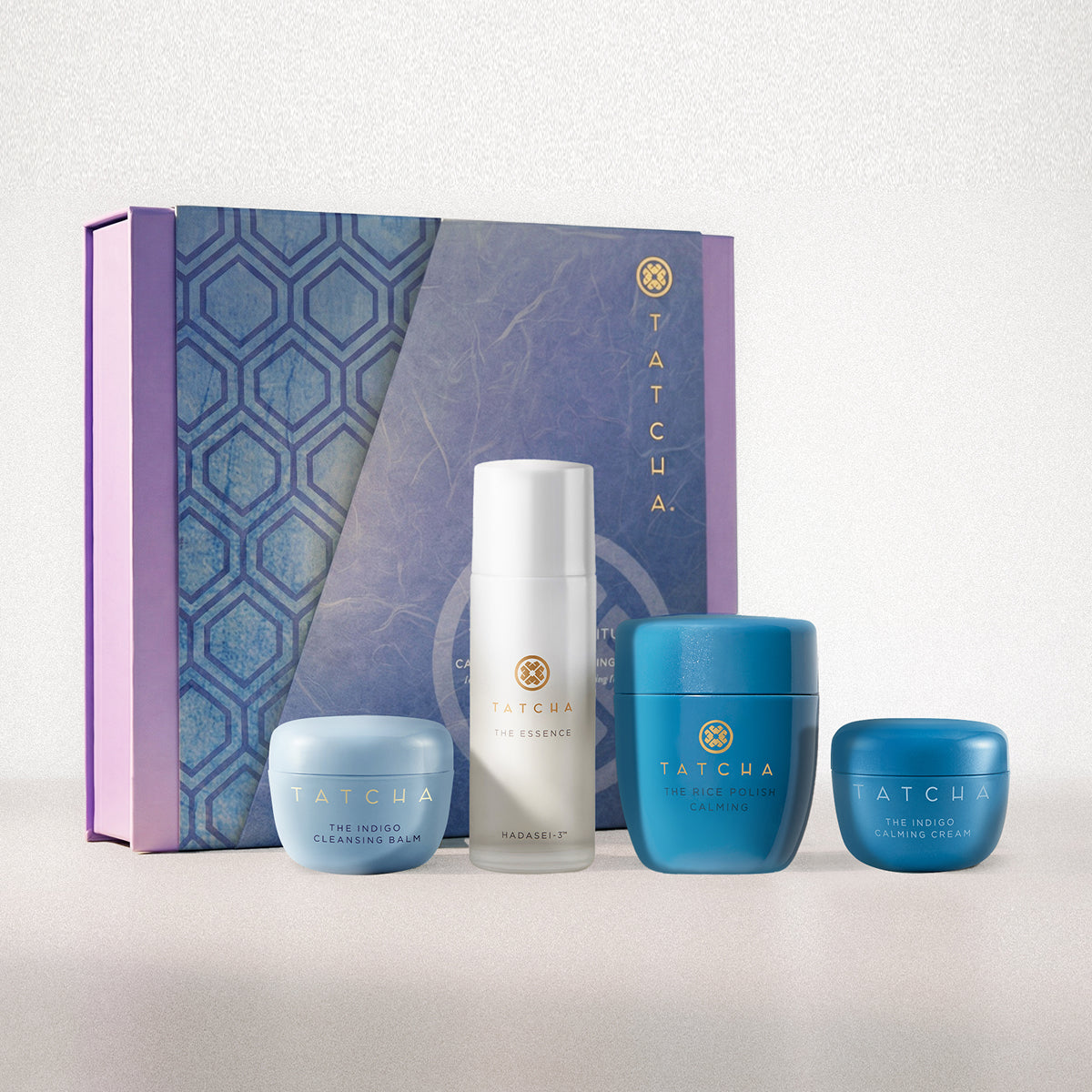
For holidays, birthdays, special days and ordinary ones—consider gifting a skincare set to someone in your life (and use this guide to choose the one they might like best). At first blush, the beauty lover seems like an easy person to check off your gifting list: The possibilities are nearly endless. But while there may be many options to choose from, not all of them make for perfect presents.Makeup can be tricky, unless you know exactly what the receiver wants. A hair product would be an unexpected gift, and for good reason—shampoo simply doesn’t make for an exciting unboxing. By contrast, masks or moisturizers are always in demand, but how do you choose the right moisturizer, for example? Where do you start?Allow us to suggest the skincare set. There is no better beauty gift than a Japanese skincare set, There is no better beauty gift than a skincare set, which can offer them them a chance to explore and discover what they like before committing. Sets allow for the giftee to try multiple products in one package, seamlessly swapping them in and out of their current regimen as needed. (Many items in a set also come perfectly sized for travel.)It also offers a rare opportunity to try a few items from one skincare range. Most companies formulate their different products to work in tandem with others in their collections, providing higher dosages of a particularly key ingredient, or ordering steps so that each application enhances the next one. Tatcha offers a range of sets suited to specific skin types, or that sample some of the brand’s bestsellers, or that simply showcase powerful Japanese botanicals.On the other hand if you give a full routine, you’re giving more than just a handful of lotions: You’re giving a ritual. That short but significant part of one’s day can become more than just about self-presentation; it can become about self-care. Here are a few suggestions, based on skin type. A skincare gift for dry skinThose who deal with dry skin on the regular tend to crave creamy, hydrating skincare products. The Plump & Dewy Skin Trio packs hydration into a three-step skincare routine that begins with a gentle cream cleanse and ends with a rich moisturizer with a serum that plumps in between steps. These three products are Tatcha dry skin bestsellers, comprising a variety of classic ingredients like squalane and hyaluronic acid paired with the brand’s signature active complex. A good starter skincare routine—or gift for anyone in need of dew. A skincare gift for oily or combination skinFor friends on the other side of the skin spectrum, the Clarified & Balanced Trio assembles a simple starter pack for oily or combination skin. Whereas dry skin describes a lack of sebum production, oily faces have too much of it, and often benefit from products designed to tweak skin’s natural water and sebum reserves into balance. This oil-friendly routine swaps out a serum for The Texture Tonic, which earns its name from a suite of fruit-extracted alpha hydroxy acids that even out and smooth skin. A skincare gift for mature skinSome have oily skin, combination skin, or dry skin, but everybody develops mature skin, and it’s important to follow a skincare routine designed for aging skin. Due to our natural biology, our skin loses its ability to retain water, nourishment, and structure as life bears on. Collagen, elastin, and other proteins that maintain our skin’s integrity aren’t as readily replaced as they once were. Supercharged skincare designed with mature skin in mind helps fill in the gap. The Ritual for Firm Skin contains four steps starting with a luxe oil cleanser, followed by Tatcha’s Hadasei-3 proprietary concentrate of Japanese superfoods with essential amino acids, a wrinkle-smoothing serum, and a rich-yet-weightless gel cream to seal it all in. A skincare gift for skincare loversEverybody has them in their friend group, if they look hard enough—the skincare obsessive. They won’t be impressed by a run-of-the-mill moisturizer. Instead, show them something truly impressive: A range of multi-tasking treatment serums. Enter the Serum Discovery Trio, a sampling of some of Tatcha’s most potent skincare technology: A botanically powered antioxidant serum that gently resurfaces the skin, a brightening powerhouse serum, and their latest addition The Silk Serum, which uses silk extract, plus upcycled cranberry extract and sea fennel forretinol-liker skin-smoothing. A skincare gift for a groupMeet the Hydration Obento. The latter word is a cheeky reference to Japanese box lunches, but this particular obento isn’t edible. Rather than karaage or katsu, this box contains Tatcha’s bestselling moisturizers crafted with timeless Asian botanicals. There’s one for each major skin care concern, from oiliness and dryness to firmness and redness. If you’re stuck on a gift for more than one friend, consider splitting up this obento of luxurious skincare into four little gifts. A skincare gift for a mom Chances are your mother, or a mother you know, already uses a moisturizer. But there’s a good chance they only use one moisturizer. A gift like the Day & Night Moisture Duo not only provides them with two of the brand’s most popular formulas, but it offers the benefits of using separate creams for day and night as it’s a good idea to use two daily moisturizers. A skincare gift for a makeup loverThere are skincare gifts for the makeup enthusiasts in your life, too, especially at Tatcha, where so many of the brand’s offerings are designed to prime and prep the skin for optimum makeup wear. There’s no need to decide between Tatcha’s popular face mist, cult favorite Liquid Silk Canvas primer, or lip mask, because the Prime & Glow Trio contains all three. Whether the giftee is a concealer fanatic or lip look afficionado, they will certainly appreciate a set that helps them achieve their very best application, every time. A skincare gift for the one who has it allRemember those Japanese obento lunch boxes? Imagine opening yours to find a seven-step skincare ritual, and you’ve just imagined the Luxury Obento. This platinum-standard gift for the ultimate skin whiz not only includes the brand’s most iconic skincare staples, from The Camellia Cleansing Oil to the The Rice Polish: Classic, but it also tosses in a few high-tech newcomers—including a retinol alternative and an eye cream that melts into skin for radiant eyes. In a way, this is a hard gift to give because it’s so tempting to keep it for yourself.

What Skincare Products Do I Need?
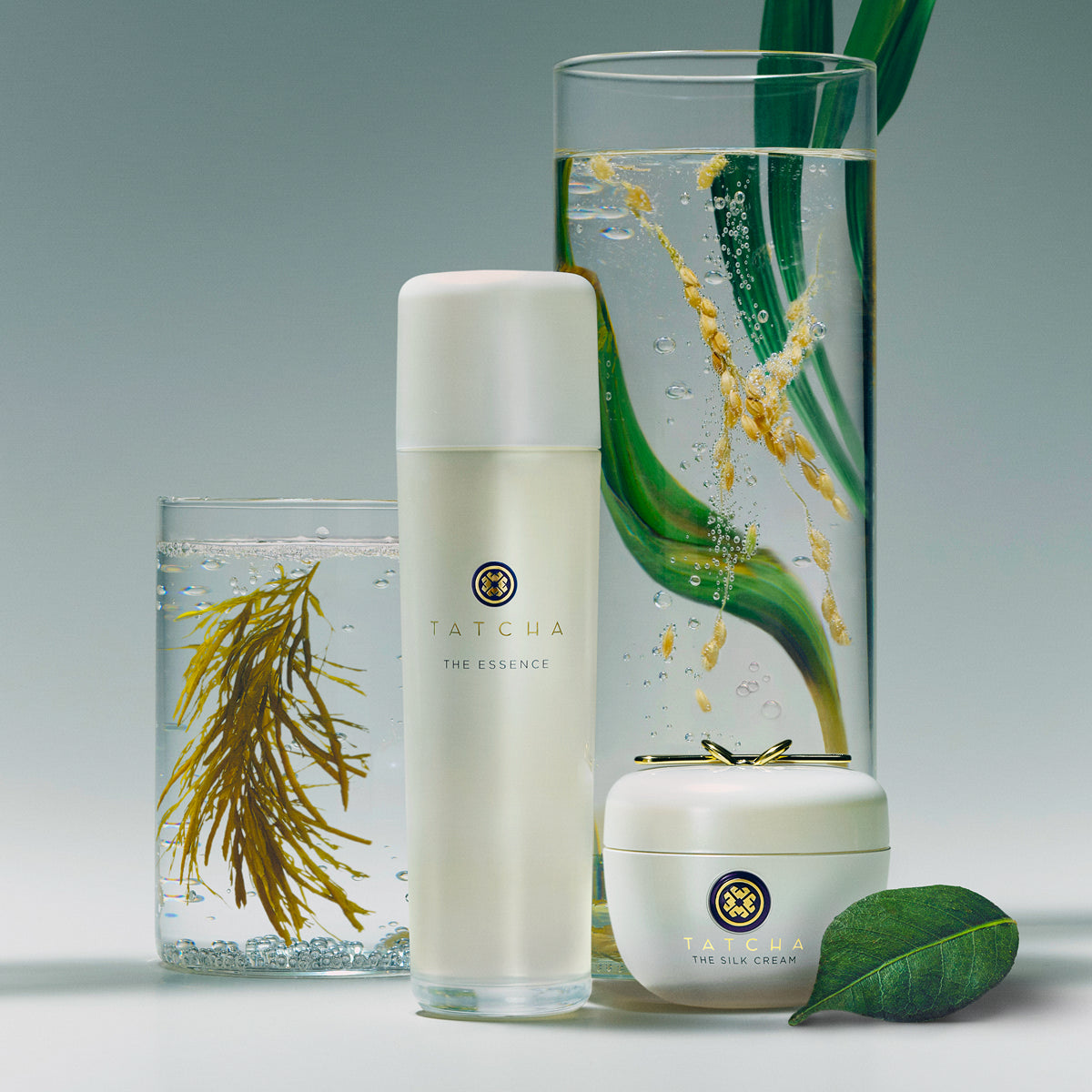
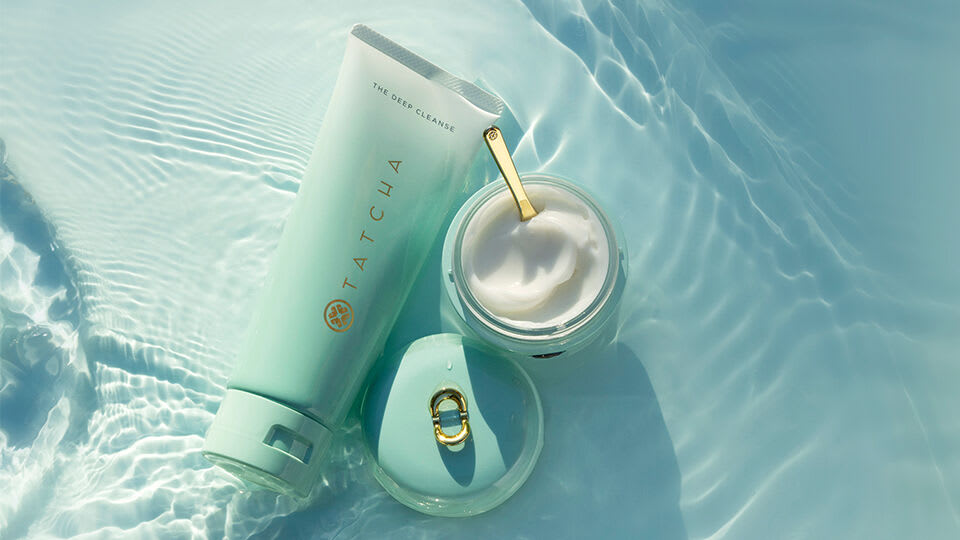
There are countless options available, but what skincare products do you really need? Discover the most vital products to add to your regime and why. A daily skincare ritual can not only be beneficial for your skin, but also your mind. Self care via a consistent skincare routine can increase one’s overall mood and happiness, as established routines can help maintain order and predictability in your life. But with the countless offerings on the market, how do you know what skincare products to use? Keep reading to uncover the most effective and vital products to build the best skincare routine for your specific needs.The Basics: What Skincare Products Do I Need?At Tatcha, we aim to bridge the gap between timeless practices and modern ingredients. And that combination is abundantly present in our simple and straightforward skincare routine for women of every age. Don’t let the word ‘ritual’ intimidate you: a daily skincare practice can be completed with just a few steps. All you need is to purify, polish, plump, nourish, and protect for your happiest, healthiest-looking skin.PurifyArguably, the most important step in your skincare ritual is cleansing. This vital step is not just rushing through the purification process, but actually taking the time to carefully and thoroughly cleanse for cleaner, healthier-looking skin. The trick to transforming the mundane cleanse into a mindfulness ritual is to embrace the Japanese concept of kiyome, which translates to purification. This belief can act as not only a physical cleanse, but also an emotional one, allowing the cleansing process to be an act of letting go. Take a page out of founder Vicky Tsai’s book, Pure Skin, by visualizing distractions, negative thoughts, and self-doubt melting away as you cleanse. PolishExfoliating or polishing is the process of removing dead skin cells from the surface of your skin using a chemical or physical exfoliant. Chemical exfoliants are acids that dissolve the bonds that hold dead skin cells together and the most common forms are AHA, BHA, and PHA. Physical exfoliants, or exfoliating scrubs, mechanically buff off dead skin cells. They often contain, as the name suggests, physical ingredients, like rice bran, to buff skin.While exfoliation may seem like a modern technique, geishas have been using komenuka, known as Japanese rice bran, to polish the skin for centuries. This is a crucial step in your daily routine because it removes dead skin cells and impurities, while also helping the rest of your products achieve their maximum potential.PlumpWhen simplifying or building a routine, utilizing products that have multiple uses is helpful. One of the most multi-use arsenals in your skincare ritual is an essence. A classic Japanese skincare ritual has long featured these “beauty waters”, known for their ability to soften and brighten the complexion. The humble liquid can resurface, soften, plump, and boost the effects of skincare in a single step. To utilize, simply splash a palmful of essence into your hand after cleansing and gently press it into the skin.NourishSeal in hydration with an effective moisturizer. A moisturizer is not a one-size-fits-all product, notes the American Academy of Dermatology. They suggest a moisturizer can come in several different formats, including lotions, gels, thick creams, or ointments. Whether it be a richly hydrating cream or a light, gel-based moisturizer, your ideal product should, on the most basic level, accomplish two major goals: prevent water from leaving the skin and deliver an optimal level of moisture for your healthiest-looking complexion, says the AAD.ProtectDon’t skip the sunscreen! While it might be tempting to consider an SPF simply just a summer must-have, sun protection is a year-round necessity. Even on cloudy or frosty winter days, the sun can damage your skin, notes the AAD. Apply a broad-spectrum sunscreen with an SPF of 30 or higher every single day. It is a necessary—and should be an instinctive—step of your daily skincare routine, says the AAD.Best Skincare ProductsStill wondering what skincare products you should use? Here are a few of our favorite options to round out your ideal daily routine.PurifyingIt’s helpful to separate your morning and evening purification processes. In the morning, you may simply need a splash of water (ideally for dry skin types) or a quick cleanse with a gentle face wash. For the evening, a more thorough cleanse is ideal. Lean into the art of the double cleanse, which is helpful to not only remove makeup, surface debris, and sunscreen, but also unclog pores and prep skin for the following steps.Try: Consider The Indigo Cleansing Balm, our newest cleanser that features a fragrance-free, buttery-soft balm texture that melts away makeup while improving the skin barrier for stronger skin. Or perfect your Kyoto Cleanse with the delightfully nourishing Camellia Cleansing Oil to remove makeup and follow it with either the bestselling Rice Wash or The Deep Cleanse. PolishingChemical and physical exfoliants both have distinct positives. Chemical exfoliants are wonderful for almost all skin types, as long as you stick to low-percentage AHA, BHA, or PHA products when first incorporating them into your routine. Physical scrubs with gentle ingredients, like rice bran, can be wonderfully effective and give you more control over how deep of an exfoliation you’d like to achieve. Whether you prefer a chemical or physical exfoliant, we’ve got you covered.Try: If you prefer a liquid exfoliant, try The Texture Tonic. The AHA-powered formula is ideal for even sensitive skin and is gentle enough to be used daily. It’s specifically formulated to reduce excess oil and sebum, while also improving skin’s moisture levels. The formula has niacinamide and Japanese mugwort to reduce the look of discoloration, while also calming visible redness and irritation.If you’re more of a physical exfoliator fan, Tatcha’s game-changing Rice Polish is a must-have. The Japanese exfoliant transforms into a creamy, cloud-like foam with just a few drops of water. Finely ground rice bran and papaya enzymes promote natural skin turnover, while the amino acid-based formula provides effective cleansing without stripping the skin of essential moisture or breaking the skin’s barrier function. There are also three other Rice Polish formats, from Calm to Gentle to Deep, allowing you to find the formula that’s best for your skin. PlumpingThe top layer of your skin is made up of dead skin cells that protect the delicate skin beneath, but this layer can prevent active ingredients from sinking into the layers where they are needed most. This is where an essence steps in. The simple, yet transformative, formula floods the skin with hydration and amplifies the performance of any treatment that follows. The most important job of the essence and its primary function is to make the skin ready for whatever treatment follows.Try: If you haven’t had the pleasure of meeting one of Tatcha’s most cherished products, allow us to introduce you to The Essence. This simple yet transformative formula is 100 percent Hadasei-3, a proprietary fermented complex of the very superfoods core to the Japanese diet: rice, algae, and green tea. This potent formula boosts the effects of skincare, resurfaces, and hydrates for primed, plump, petal-soft skin at any age. In studies, panelists demonstrated a 621+ percent improvement in skin moisturization immediately* and 100 percent of panelists demonstrated an improvement in skin glow and radiance after just one week of use.** *Based on an instrumentation study conducted on 30 panelists in 2022.**Based on an expert-grading study on 30 panelists in October 2021.NourishingA nourishing moisturizer is always beneficial to your complexion, whether your skin tends to be more dry or oily. After plumping skin with The Essence, apply a moisturizer to support the protective barrier of your skin.Try: At Tatcha, we’re spoiled for choice when it comes to nutrient-rich moisturizers. As luxurious as they are effective, each unique face moisturizer delivers the optimal level of moisture for any skin type, helping you achieve your healthiest-looking complexion yet.Consider The Silk Cream, a rich yet weightless gel-cream moisturizer enriched with silk extract for softer, smoother, and firmer-looking skin. Or grab the award-winning Water Cream, ideal for oily complexions, which balances the skin, decongest pores, and minimizes oil production. For dry skin, try The Dewy Skin Cream, which plumps, hydrates, and strengthens the skin’s barrier. For a richer cream, grab the Ageless Enriching Renewal Cream for an intensely hydrating and nourishing treatment. Sensitive skin? Slather on the innovative Indigo Overnight Repair, which visibly calms irritation, strengthens the skin’s barrier, and balances the microbiome overnight.Or not sure which formula is right for you? Consider Tatcha’s newly updated formula, The Indigo Calming Cream. The rich, fragrance-free moisturizer delivers therapeutic soothing relief from redness and itchiness with long-lasting hydration. ProtectingSkincare is moot if you aren’t using sunscreen daily. Not only does it help fight premature aging, but it, most importantly, protects from cancer-causing rays. Protect yourself with an FDA-approved formula that is broad-spectrum and a sun protection factor of at least 30+.Try: The Silk Sunscreen, a silky, lightweight, and sheer SPF that offers 50+ coverage (with 10 percent zinc oxide) and is packed with skin-benefitting ingredients that hydrate, soothe, and reduce redness. If you prefer a matte finish, consider the Silken Pore Perfecting SPF 35 Sunscreen, which has both mineral and chemical protection that not only protects the skin, but also helps tighten the appearance of pores, smooth skin texture, and calm visible irritation.
Sunscreen Is the Secret to Healthy Aging
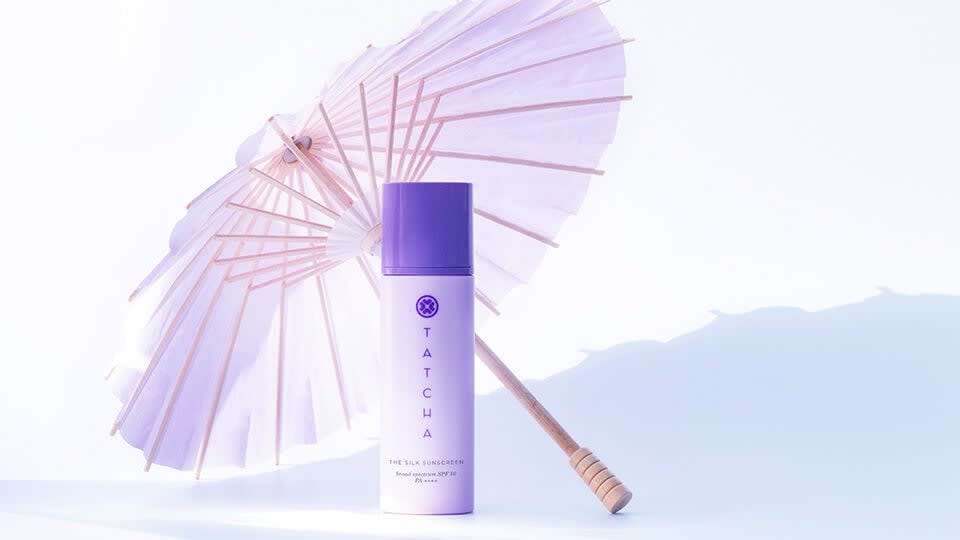
When helping the skin defend and repair itself from aging factors, there’s one skincare product that towers above the rest—and it might already be in your medicine cabinet. The best anti-aging skincare product on the market comes in a wide—but not too wide—variety. Some cost hundreds, and others cost less than 10 dollars, and they’re sold everywhere from gas stations to department stores. Many of them share the same ingredients—and many of those ingredients are regulated by the government. Yes, the best anti-aging skincare product on the market is probably already in your home, if it isn’t already on your skin: Sunscreen.Does sunscreen prevent aging? In some ways, the answer is yes. Skin ages naturally due to biological factors, which is why wrinkles and changes in tone and texture are the signs of a life well-lived, and are worth embracing. But many signs of premature aging are brought on by environmental forces, like pollutants in the air or overexposure to the sun. So, yes, a lot of aging is a matter of prevention. And sunscreen is preventative.But here’s the thing: Even if you were someone who was totally cosmetically unconcerned, sunscreen and other forms of sun protection would still be daily necessities. By protecting your skin from the sun, you are also protecting it from health complications, including one of the most common cancers; any aging skin benefits are merely attendant, but welcome. And by understanding how the sun ages skin, you can quickly understand how sunscreen helps with aging. How skin agesWe’ll begin on the smallest level we can, beneath an electron microscope. Have you met your DNA’s telomeres?Telomeres are DNA sequences that live at the end of our chromosomes and help with cell reproduction. Uncontrolled cell reproduction can be dangerous—and a key event in the development of cancer—so our telomeres shorten over time, until the cell reaches the end of its life. Now it can no longer reproduce, and dies off.As skin cells in particular begin to diminish, the process becomes visible as collagen and elastin proteins decrease in number, resulting in skin-slackening, wrinkles, dryness, hyperpigmentation. This kind of aging is also known as “intrinsic” aging, as a result of our cell biology. But our environments, as well as lifestyle choices, can also accelerate this process. Those who smoke cigarettes, for one example, have been observed to visibly age faster, for a variety of reasons from nicotine’s effect on skin thickness to changes in skin circulation.This is known as “extrinsic” aging. There are a variety of these risk factors, but according to a 2018 article in the journal Cell Transplantation, exposure to UV light “is the primary factor of extrinsic skin aging.”How UV light accelerates agingUltraviolet light from the sun causes an estimated 90% of visual aging, according to data from the Cleveland Clinic. Unprotected exposure to the sun can manifest in skin changes from deep sagging to dark spots to just about every other known sign of aging.But what happens on a deeper level is a matter of more concern. Remember those microscopic telomeres? That is how deep UV rays can reach. Ultraviolet light can be described in three varieties, known as A, B, and C. UVC radiation is absorbed by our planet’s atmosphere, but UVB rays reach the outer layer of our skin, right down to our DNA; this kind of radiation can damage our DNA, aging skin or increasing chances of precancerous cell growth. UVA rays are less potent, but go even deeper into the layers of our skin, where precious collagen cells and capillaries reside. Our bodies can repair some of the damage wrought by ultraviolet radiation, but it can’t repair it all. This is why sun protection is an imperative for all people.This news is a recent development in the history of beauty. As recently as the 2000s, tanning was still seen as a way to enhance one’s appearance, a concept that experts at the American Academy of Dermatology now dispute. They insist that the term “healthy tan” is an oxymoron, and that no amount of tanning is healthy. How sunscreen worksThere are a few mechanisms by which sunscreen works, but the main endeavor is the same: To protect the skin from ultraviolet rays. Some sunscreens use physical filters, like zinc and titanium dioxide, that reflect and scatter UV light, and some use skincare ingredients like octisalate or avobenzone to absorb and neutralize UV light. Others use both to provide a certain kind of skin finish.Because sunscreens in the United States are subject to approval from the Food and Drug Administration, if you see a sunscreen on a store shelf, you can assume it’s safe to use, and has been tested for efficacy. The sunscreen formulation you use probably depends on your own preferences, as there are numerous differences between physical and chemical sunscreens. Does sunscreen prevent aging?By now, the answer posed at the beginning of this guide is clear: Sunscreen absolutely prevents aging, by helping ensure that harmful UV rays don’t reach the skin.Sunscreen isn’t just good for mature skin types—it’s good for all skin types. And the options are nearly endless. Nowadays there are SPF formulas that offer heavy-duty sun protection in weightless and hydrating formulations, like the SPF 50 Silk Sunscreen from Tatcha. (It’s a mineral formula that glides on to skin like a fine veil.) There are also formulas that tend toward improving skin, or provide a perfect base for makeup. Tatcha’s Silken Sunscreen provides broad-spectrum SPF 35 protection from UVA and UVB rays while smoothing skin and tightening pores—perfect on its own, or underneath a little foundation or concealer. Sunscreen is one of the most popular and widely implemented forms of sun protection, but it isn’t the only one. The best forms of sun protection are the ones you use, so make sure to find a method you like—and then don’t go a day without it.
The Best Hydrating Face Mask for Your Skin Type
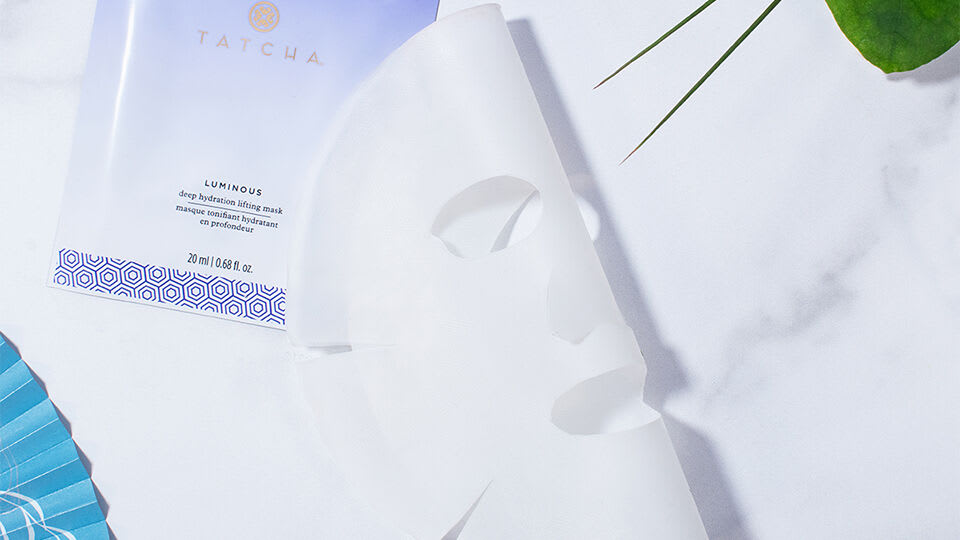
Face masks can be a fun, relaxing treat for the skin. But hydrating face masks are one of the few treatments that actually can improve the quality of every skin type. We explore how to use them, the ingredients to look for, and the best hydrating face mask for your skin type. While face masks can often be looked at as frivolous or unnecessary—they can make a big difference in the quality of skin, particularly for hydration. "If you do want to mask, I recommend them only if you want them for hydration purposes," said board-certified dermatologist Dr. Melissa Kanchanapoomi Levin to Well+Good. Regardless of your skin type, hydration is a key element of any skincare routine. Below we uncover the best hydrating face masks, how to use them, and ingredients to look out for in your next masking session.Face Mask 101According to the Cleveland Clinic, face masks work by driving ingredients closer and deeper into the skin, infusing your pores to help unclog them, and allowing the skin to soak up more of the mask’s key ingredients.When considering ingredients, the Clinic suggests tried-and-true hyaluronic acid to combat dehydration, whether your skin is dry or just dehydrated. They also note that those with sensitive skin should be on the lookout for harsh ingredients that could cause irritation—consider products that are fragrance-free, hypoallergenic, and free of dyes and parabens. In fact, the best face mask should help to calm sensitive skin, rather than cause irritation. The best face mask should also never cause pain or hurt your skin.How to Use a Hydrating Face MaskBefore using a face mask, be sure to thoroughly wash your face with a cleanser to remove any makeup, dirt, and residue. (Better yet, double cleanse to ensure you’re starting with a clean slate.) Also, importantly, follow the product package instructions closely. Allowing a mask to sit on the skin for an extended period of time is not more effective, but rather can lead to irritation and discomfort, and even damage the skin barrier.The Best Hydrating Face MasksWhether you’re looking for a touch of radiance or to address blackheads or minimize pores, the following face masks not only support the health of your skin, but also work overtime addressing additional concerns. Let’s find the right hydrating face mask for your skin concern.The Best Hydrating Face Mask for Dry Skin Luminous Deep Hydration Lifting Mask According to the Cleveland Clinic, sheet masks tend to be more hydrating as they allow the moisturizer to be distributed and absorbed directly into the area it touches. Our unique, coconut-derived, biocellulose sheet mask boosts skin’s moisture content by up to 200 percent in just 15 minutes. The mask contains a proprietary serum composed of Okinawa Red Algae and natural hyaluronic acid that delivers instant hydration. The result is a hydrated, firmed, and lifted appearance in mere minutes—making it one of the best face masks for dry skin. Dr. Levine told Well+Good that she’s a fan of sheet masks made of hydrogel or biocellulose (which describes this hydrating option) because it allows active ingredients to penetrate better.The Best Face Mask For Oily Skin Clarifying Clay Mask Many clay masks can address excessive sebum production—but they also tend to absorb much-needed moisture in the skin, too. But the Clarifying Clay Mask both minimizes excess oil and sebum and improves skin’s hydration, making it the best hydrating face mask for oily skin, blackheads, and clogged pores. The formula uses a clever mix of Okinawa kucha clay, Japanese konjac, and volcanic ash for a pore-changing transformation in minutes. In clinical studies, skin showed an improvement in texture, clarity, appearance of pores, and hydration in just one single use.* Smoother, clearer, and more hydrated skin in just three minutes? Yes, please!*Based on an expert grader study conducted on 40 panelists after 3 applications over 1 week.The Best Face Mask for Sensitive SkinIndigo Overnight Repair While this bestselling serum-in-moisturizer treatment responds best to consistency and is designed for daily use, users can elevate the application to feel more like a spa experience with a massage technique. The Japanese indigo, ceramides, and mondo grass formula visibly calms irritation, strengthens skin’s barrier, and balances the microbiome overnight, but is also helpful when massaged into the skin for a quick treatment. Gently massage in upwards strokes and allow the skin to soak up the potent serum-in-cream for as long as possible before delicately washing it off and admiring your plump, calm, and radiant skin.The Best Face Mask to Achieve Glowing Skin Violet-C Radiance Mask Looking for an instant soft, dewy glow? This bestselling brightening mask is gentle enough for sensitive skin but also hydrates, improves skin’s texture and tone, and resurfaces dullness. The creamy treatment features two types of vitamin C (for maximum benefits), 10 percent AHAs (to resurface uneven, dry skin), and our proprietary Hadasei-3 complex (to hydrate and glow). In just 15 to 20 minutes, skin is left brighter, more translucent, and with a radiant glow.The Best Skincare to Amplify Your Face Mask The Essence and The Dewy Serum Regular use of a hydrating mask will boost hydration, but hydration is more of a daily maintenance issue than something you should turn to a mask for consistently. If dehydration is a daily occurrence, consider amping up your moisturizing products in your regular skincare routine. Try utilizing the deeply hydrating duo of The Essence and The Dewy Serum. This leave-on daily treatment packs a deeply hydrating punch, helping to lock in moisture long-term and look smoother, plumper, and dewier. First pat on The Essence, then immediately follow up with The Dewy Serum—ideally applying while skin is still slightly damp from The Essence for better absorption.
Best After Sun Skincare Products
Sunburns can sneak up on us, even with diligent sun protection. Thankfully there are a handful of after-sun products and techniques that can speed up skin’s recovery. Keep reading for everything you need to know about the best after-sun skincare products. Even with the most cautious suncare protection, sunburns can happen. Unfortunately, just one mild sunburn can damage skin cells, leading to accelerated aging and the potential risk of skin cancer, notes the CDC. But fret not, there are after-sun products that can rapidly repair sun-damaged skin, plus a few tried-and-true techniques that can expedite healing. Keep reading for everything you need to know about the best after-sun care products. Sunburn 101 Sunburns and sun damage can occur shockingly hastily. And while the short-term pain, redness, and discomfort hurt, the potential skin damage (and elevated risk of skin cancer) remains far after the burn fades. It’s a good reason to stay diligent with sunscreen, reapplication of SPF, and even sun-protective clothing and accessories (including a wide-brimmed hat, UV-protective clothing, sunglasses, and sun protection parasols or umbrellas). But with all the proactive suncare in the world, sunburns still happen. Best After-Sun Tips So the sun’s rays snuck up on you? A sunburn is an inflammatory reaction to ultraviolet (UV) radiation damage to the skin’s outermost layers, says the Skin Cancer Foundation. Thus, the best course of action is to minimize the inflammation. Here are the best techniques to soothe skin (and the burn) with tips and ingredients you likely already have at home. Hydrate and Cool Excessive sun exposure can dehydrate—both the skin and the body. Drink plenty of water because a sunburn draws fluid to the skin’s surface and away from the rest of the body, a recipe for dehydration, notes the American Academy of Dermatology. Then take a cold shower to wash off the SPF and cool the skin. (Only use mild cleansers in the shower, anything with scrubs or exfoliants can further irritate the delicate skin.) Speaking of cooling things down, if the skin feels hot to the touch, apply a cold compress or even a classic solution: a frozen bag of peas wrapped around a clean towel. Take a Pain Reliever For relief from the pain of a burn, take a nonprescription pain reliever, like ibuprofen or acetaminophen, says the Mayo Clinic. This can help with swelling, redness, and discomfort, adds the AAD. Best After-Sun Skincare Ingredients You might be wondering, ‘Do after-sun products actually work?’ While a standard body lotion can help hydrate the skin, a dedicated after-sun product has been formulated to soothe the burn, minimize inflammation, and hydrate. Consistent application of a top after-sun product can provide relief and improve the look and feel of skin. Here are a few ingredients and products to consider. Aloe Vera What makes aloe vera the gold standard for after-sun care is its anti-inflammatory properties. This is particularly helpful when you remember that a sunburn is an inflammatory reaction, so aloe is practically perfect for sunburns. And clinical research has shown that the succulent can speed up healing and reduce pain. Hydrocortisone Cream The AAD recommends applying a one percent hydrocortisone cream (which you can find at your local drugstore without a prescription) if the burn area feels especially uncomfortable. The cream can also help soothe the itchiness that accompanies a bad sunburn. The Mayo Clinic recommends applying a hydrocortisone cream to the affected area three times a day for three days, and they suggest storing the cream in the fridge for an added cooling sensation. Reparative Lotions Gentle creams and lotions packed with healing ingredients are a great addition to your after-sun regime, too. Look for ingredients like colloidal oatmeal, hyaluronic acid, and algae, which can hydrate, soothe, and calm skin. Best After-Sun Products At Tatcha, we believe in bringing the ‘care’ back to ‘skincare’—and nowhere is that belief more important than with after-sun skin products. Here are the best products to soothe, repair, protect, and correct sun damage. A Calming Cleanser Try: The Indigo Cleansing Balm A gentle, yet effective, cleanser is important after sun exposure to help remove any excess SPF, salt, or chlorine from your beach or pool day. But it’s also vitally important to use a calming, nurturing cleanser on sunburnt skin that can soothe visible irritation and replenish moisture. This is where our newest cleansing innovation comes in: The Indigo Cleansing Balm. The skin-strengthening formula instantly calms visible irritation, while also supporting and transforming the barrier—important when skin is in a delicate state (like a sun damage). An Overnight Treatment Try: Indigo Overnight Repair Beauty sleep is not just a figure of speech: skin really does repair itself overnight. This inspired our award-winning Indigo Overnight Repair, a fragrance-free soothing serum-in-moisturizer treatment that visibly calms irritation, strengthens the skin’s barrier, and balances the microbiome while you sleep. The formula is ideal for disrupted skin, helping to immediately improve moisture, barrier strength, and radiance. An Instant Moisture Boost Try: Luminous Hydrating Sheet Mask Store this biocellulose treatment mask in the fridge for a deeply hydrating and cooling experience. The Luminous Hydrating Sheet Mask has been shown to boost skin’s moisture content by up to 200 percent in just 15 minutes. A Soothing Sunscreen Try: The Silk Sunscreen There’s no better time to continue to prioritize sun protection than when experiencing sun damage. Try an ultra-gentle option, like The Silk Sunscreen, whose broad-spectrum formula protects against UVA and UVB rays with 10 percent zinc oxide for a mineral, reef-safe filter. Not only does the Silk Sunscreen feel impossibly light, but the formula also soothes skin, making it ideal for sensitive and irritated skin. The SPF also includes hyaluronic acid to help immediately boost skin’s natural moisture levels and niacinamide to reduce redness. A Corrective Serum Try: The Brightening Serum Once the skin is completely healed, consider incorporating a vitamin C serum, like The Brightening Serum, which visibly evens skin tone and targets hyperpigmentation, like visible sun damage. The serum includes 12-hour time-release vitamin C , which delivers a gradual even dose to reveal brighter skin and a more translucent, healthy-looking glow. Plus, the daily serum is boosted with the addition of ferulic acid and Japanese plum to visibly firm and support skin elasticity, as well as a pro-glutathione antioxidant booster to target hyperpigmentation and provide 13x more antioxidant power than pure vitamin C (ascorbic acid) to brighten skin.***Based on in vitro testing of Ascorbic Acid vs. Pro-Glutathione Antioxidant Booster on oxidative stress.