







Deciding to introduce a new treatment into your skincare ritual is a major step. It can even feel like your skin’s future hangs in the balance. ‘Will this finally be the “holy grail” product for me?’ ‘What if I have an adverse reaction?’ ‘How do I know that this treatment is the right one for me?’
One of the products these questions ring truest is Vitamin C. While it can be ‘life-changing’ for some, there are a lot of important questions to ask before implementing the famed antioxidant into your daily routine. Below we dive into the most vital facts about Vitamin C and how to successfully adopt the product into your ritual.
What Vitamin C Does For Your Skin
Few skincare ingredients have been as scientifically studied as Vitamin C. After decades of clinical testing, we can confidently say Vitamin C does a lot for your skin. It has been shown to improve the appearance of fine lines and wrinkles, positively impact the texture and tone of skin, and even increase skin’s collagen production. The antioxidant is also famed for its ability to reduce the appearance of dark spots, notes one clinical trial, as well as minimize the look of acne marks, also known as post-inflammatory hyperpigmentation. Not only that, but Vitamin C has shown promising results in reducing acne, thanks to the antioxidant’s natural anti-inflammatory properties.
Types of Vitamin C
There are dozens of derivatives of Vitamin C, each with its own unique properties and pros and cons. For example, L-ascorbic acid is the most biologically active and well-studied, notes one clinical study, but it’s also incredibly unstable and is known to penetrate poorly into the skin without molecular modification or being paired with stabilizing ingredients. At Tatcha, we utilize two forms of Vitamin C, glyceryl ascorbate and tetrahexyldecyl ascorbate, in our formulas. Both are known for their incredibly stable and fast-acting, effective results.
Vitamin C’s ‘Infamous’ Reputation
Vitamin C degrades quickly, making it incredibly challenging to stabilize. It also easily oxidizes in sunlight or when exposed to air, which makes it difficult to formulate and package. Plus, other ingredients can destabilize it when used in the same formula if they’re not carefully paired. This is why it can take a tremendous amount of time and care to perfect a Vitamin C formula.
Vitamin C Percentages Matter
According to the Cleveland Clinic, look for a Vitamin C product that is in the 10 to 20 percent range. Under 10 percent won’t convey the benefits you’re looking for and anything higher than 20 percent risks irritating your skin, notes the Clinic.
While a 20 percent formula is likely to work quicker and more effectively on the skin than a lesser percentage, you should seek out the highest percentage that’s best for your skin—ensuring the product doesn’t irritate.
Vitamin C’s ‘Metallic’ Scent
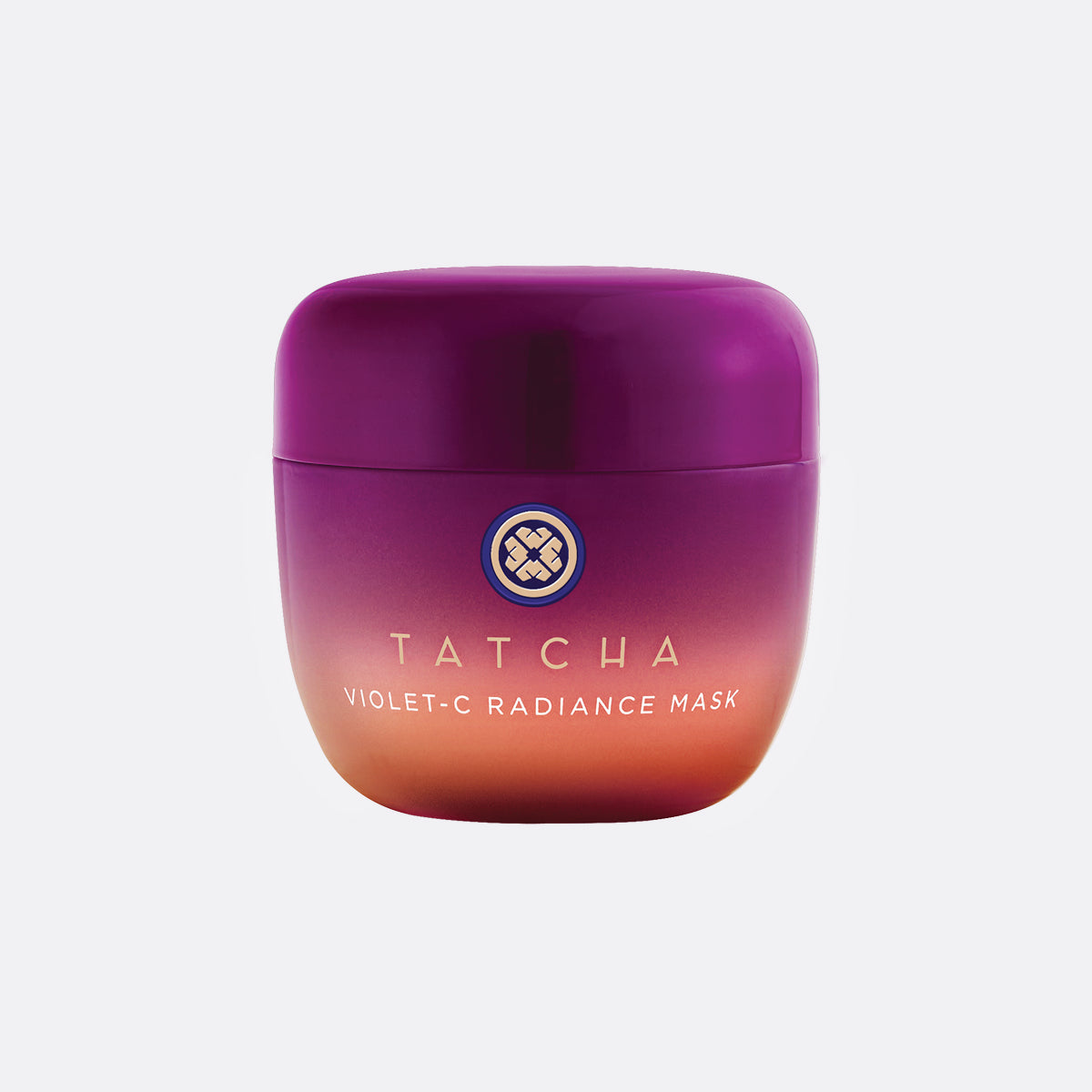
One question that we are asked frequently about Vitamin C, and specifically our Violet-C Brightening Serum and Violet-C Radiance Mask, is whether they will take on the vague metal or “hot dog smell” that some Vitamin C products on the market produce. Our answer is no, and that’s because this scent typically comes as the result of oxidation and instability—even if masked with a perfumed citrus scent, oftentimes unstable or oxidized Vitamin C treatments will have a lingering metallic scent that can smell quite distinct.
The Tatcha Institute worked for years to perfect our formula to achieve optimum stability. Our Vitamin C formulation is truly stable and doesn’t have any fragrance—let alone metal or hot dog notes.
Vitamin C’s Pilling Problem
No, your Vitamin C isn’t meant to pill under products. A pilling effect typically has more to do with the base of the formula you’re using—emulsifiers and oils used to create the treatment—than the ingredient itself. Or perhaps the pilling comes from the products underneath the Vitamin C product. Nothing active in Vitamin C should create a pilling effect.
Vitamin C and Pore Size
Pore size is mostly a result of genetics, so you cannot permanently shrink them, notes the Cleveland Clinic. However, you can minimize their appearance by keeping them clear of oil and debris and boosting your skin’s collagen and elastin, they add. Which is where Vitamin C helps. The antioxidant can’t shrink pores, but it can increase collagen production, which helps decrease pore visibility.
Vitamin C Precautions
It's a good rule of thumb to spot test a new treatment before introducing it to your ritual. Everybody’s skin is unique and it’s always possible that you might have a personal sensitivity to Vitamin C. We recommend doing a small patch test—try somewhere like the area of your neck near your ear, or on your inner forearm—for a day or two before applying to the face. Personal sensitivities, while relatively uncommon, will usually make themselves known shortly after application. Additionally, follow the product instructions—more is not better when it comes to a potent product like Vitamin C. And, as always, be sure to wear SPF daily and reapply often.