





By this point in your skincare education, you probably already know well the importance of using sunscreen daily, and reapplying consistently. (If not, here’s a little bit of rapid edification: Direct exposure to ultraviolet rays can cause accelerated skin aging at best, and other complications at worst. Take the advice of doctors, beauty editors, and us: Use it!)
Sunscreen is, doctors agree, medically paramount for humans. It’s kind of like a preventative medicine for your skin. But in order to work best, sunscreen has to be made a habit. That’s what makes choosing your sunscreen the most important first step—it has to be something that is easy, even enjoyable to use. Otherwise it may feel, well, like taking medicine. The best sunscreen for you is the one you use every day.
If a sunscreen is for sale in the United States, that means it's been approved by the Food and Drug Administration for daily sun protection. In other words, it's been well-vetted for safety and efficacy. Other than that important shared characteristic, sunscreen formulas can vary considerably. Some are white and loaded with zinc, while others mimic the flesh tones of makeup products. There are thin, jelly sunscreens and thick, creamy sunscreens. Many also include ancillary benefits, like protection from pollutants, according to what ingredients they use.
If you’re someone who is ingredient-conscious, you may be inclined toward formulas that stick to organic (rather than synthetic) ingredients, which brings us to the category of “natural sunscreens.” What does natural mean when it comes to sun protection? How do natural SPFs compare to synthetic SPFs? And what is the best natural sunscreen? Some cooling answers for your burning questions:
What is “natural sunscreen”?
The term “natural” is wholly unregulated in the cosmetics industry, and indeed most sunscreens are made from organic materials like aloe vera or naturally-occuring substances like hyaluronic acid. When you hear the term “natural sunscreen,” it probably relates to a physical sunscreen.
Physical sunscreens make use of finely milled minerals—hence the name. This layer is sometimes visible on the skin, which is why you see frequent beachgoers like lifeguards or surfers with what looks like a white makeup applied to their cheeks and noses. Instead of reaching the skin, UV rays are reflected away. (This is also why you may be familiar with the term sunblock, which is often used as a synonym for sunscreen. But in 2011, the FDA banned sunscreen companies from using the term, as no sunscreen truly blocks UV light.)
Then there are chemical sunscreens, whose active ingredients have names like octinoxate or avobenzone. These filters absorb and neutralize UV rays. As the journalist-turned-skincare entrepreneur Paula Begoun has pointed out, the term “chemical sunscreen” is a misnomer because all cosmetic formulas are chemicals. (All sunscreens are made of chemicals. So is water.) All you need to know is that chemical sunscreens describe formulas with synthetic sun protection filters.
Though physical and chemical sunscreens feel and work differently, the end result is the same: Both are widely used and relied upon sun protectors. One does not perform better than the other. Rather, each has qualities that will appeal to different people. The synthetic filters popular in Japanese sunscreen formulas, for one example, are praised for their weightless feel on skin. But those who for whatever reason prefer natural ingredients to synthetic ones should be aware: The only natural active ingredients approved for sun protection are zinc oxide and titanium dioxide; both are found in nearly every physical sunscreen formula.
Is a “natural” sunscreen the same as an “organic” sunscreen?
No. In fact, it’s kind of the opposite. Organic materials, which are derived from living matter, are widely used in cosmetic formulations. It shouldn’t take you a long time to think of a favorite moisturizer or cleanser that boasts plant-powered benefits from this flower or that extract. In chemistry, organic compounds are defined as containing carbon. Even though synthetic filters are made in a lab, what we know of as chemical sunscreens are also called organic sunscreens. Their organic quality is what makes them possible to cook up in the first place.
On the other hand, zinc and titanium dioxides don’t contain carbon. So physical sunscreens are also known as inorganic sunscreens. These inorganic sunscreens are technically natural sunscreens, but don’t let the terminology fool you. Every sunscreen formula is as man-made as every other sunscreen formula, but their ingredient sources can, and frequently do, vary to a significant extent.
Is natural sunscreen safe to use?
Yes, of course. Sunscreen is perhaps the most highly-regulated skincare product anywhere it's sold. If a retailer stocks an SPF on its shelves, you can be assured that it has gone through rigorous efficacy and safety tests to get there.
Natural sunscreens in particular have a long history of use—there is evidence of women in India applying zinc to their skin as early as 500 BC. Synthetic filters used in chemical sunscreens are, by contrast, much younger, having been invented in the past century or so. There is less data to show their safety, as well as concern from some consumers that these filters absorb into the skin and bloodstream in a way that physical sunblocks do not. The New York Times surveyed experts and dermatologists on the topic, who assured readers that sunscreens were safe by and large, pointing out that any risks of sunscreen chemicals found in the body are dwarfed by the medical necessity of wearing one. There is also simply not a lot of evidence that chemical filters remain in the body, let alone if they cause harm there.
But to those whose concerns persist, the Times recommended natural sunscreens with zinc and titanium dioxide, which have yet not been known to penetrate farther than skin deep.
What is the best natural sunscreen?
It’s been established, but it’s also worth repeating: The most effective sunscreen is the one you are likeliest to wear over and over and over again. A recent report in Wired enumerated just how bad people are at applying sunscreen. On average, we wear it half as much as we should, and we tend to rub it in too well, which can decrease the SPF by as much as a fifth. If it doesn’t feel or look good on you, give it to somebody who might need it, or save it for a beach day, and get thee to a sunscreen you’ll want to apply.
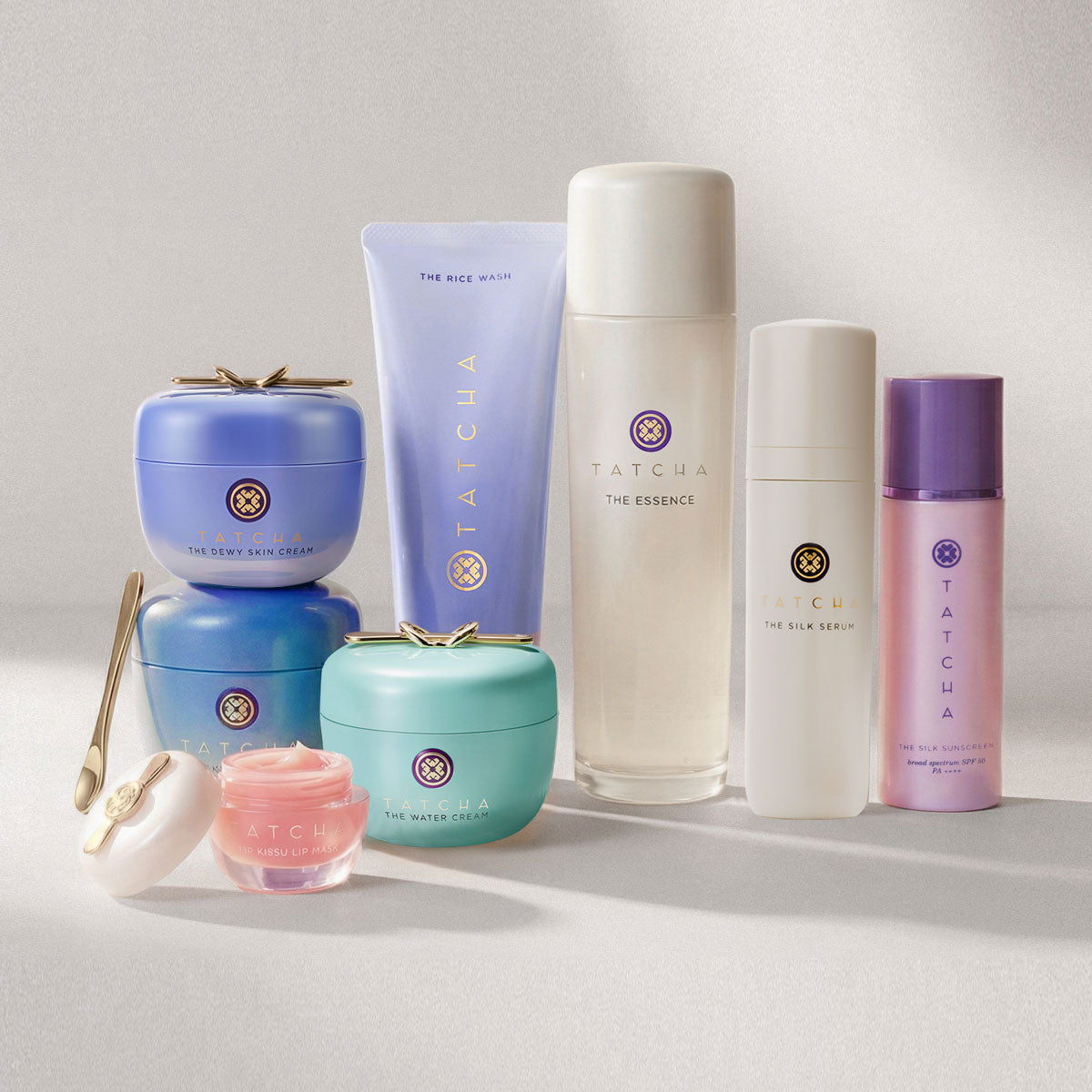
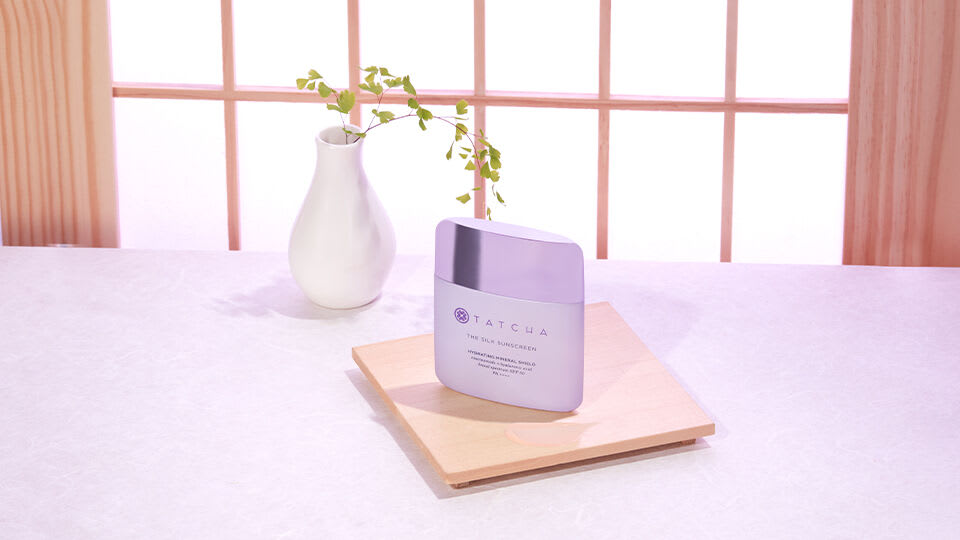
There’s a reason chemical sunscreens exist even though we’ve used physical sunscreens for so long, and that is because zinc and titanium dioxide don’t always feel great on the skin. Some feel greasy or too slick—others show up with a white cast. (Just think of the lifeguards.) All of this was considered when Tatcha formulated The Silk Sunscreen, which achieves the weightless elegance of Japanese suncare with mineral protection. In addition to 10% zinc oxide, the Silk Sunscreen is made with skin-soothing niacinamide and skin-smoothing silk extract, and blends seamlessly into skin with a universal perfecting tint. On the face, shoulders, wherever the sun touches, it’s a sunscreen you’ll want to wear. And you should, every day. That’s another piece of advice worth repeating—and reapplying.