





When you think of face masks, it’s possible that the mind conjures a dated image of a face covered with green gloop, cucumber slices set atop closed eyes. The picture feels old fashioned, but only because we’ve been using masks for a long time.
For example, masks made with clay have always been popular choices among those with oily skin, for how they can effectively clean deep within pores. They’re popular today, and were popular decades ago, but their history stretches back thousands of years. In ancient India, face and body masks called ubtan were made using Ayurvedic recipes and ingredients. Along Japan’s Okinawa islands, women used a seaborne soil known as Kucha clay for their own cosmetic preparations—it was said to be enriched with millions of years of marine nutrients.
At Tatcha, all of our skincare is inspired by these centuries-old ingredients, and the timeless care that they offer, placing them in formulas that pair these powerful superfoods with the skincare technology of today. Each of Tatcha’s products is designed to support healthy skin, but masks may be some of the most useful in the lineup because of how they limited exposure to alternatingly rich, or potent, or intensely repairing skin care. Most masks are designed to be used a few times a week, instead of daily. (If you have sensitive skin, once a week might be enough.) That makes them easy to add on to whatever your current routine might be. Figure out your skincare goals, and which benefits of face masks can help them. Then it’s time to mask up.
What is a face mask?
A face mask is a treatment for the face that is left on the skin for a short period of time. Masks come in different sizes, shapes, colors, consistencies, materials, and models. According to a blog from Penn Medicine, a mask traps moisture “and creates [a] film that helps to either hydrate, moisturize, dry or exfoliate the skin depending on the ingredients used and its purpose.”
The mechanisms by which masks operate can be different, but a commonality is their thickness, or their ability to seal over the skin. Some are made with thick emollients (perfect for those with eczema), while others use materials, like biocellulose, to create that occlusive effect. What a mask is made of will ultimately tell you how it works—and if it’s the best face mask for your skin type.
What are the types of face masks?
You can categorize face masks by the stuff they’re made of. Some of the most popular kinds include the following.
Gel-cream masks. Masks that are creamy in texture, based in shea butter or watery gel, fall into this broad mask category. Many of these treatments are hydrating, and use their thickness to trap moisture in the skin. If your dry skin needs a little love, look for masks that are rich in humectants (which draw moisture from the environment into the skin) or lipids and ceramides (that compose the skin barrier).
Clay masks. Remember the long history of clay and skincare? That’s because of clay’s unique cleansing ability. A dermatologist explained to Self how it works: The dryness of the clay sucks up excess oil and impurities from the skin like a sponge. This makes them popular choices for faces that produce more than the average amount of oil, like those with the oily skin type.
Sheet masks. We tend to associate sheet masks with the Korean beauty trend, and that’s because it’s widely thought that the product category was invented long ago in South Korea, by dipping a cloth into a skincare serum and applying it to the face. The fabric of the mask itself acts as the occlusive layer. Now sheet masks can be found all over the world, with other countries, like Japan, lending their skincare expertise to infuse them with even more potent formulations. Tatcha’s Luminous Deep Hydration Lifting Masks are made from coconut-derived biocellulose drenched in hyaluronic acid and red algae to visibly firm and lift skin with hydration.
Overnight masks. Some masks are brief affairs, but overnight masks can go the distance. These formulas, often creamy or jelly, function like heavy-duty moisturizers, and are meant to work while you sleep and your skin is in a reparative state. One of Tatcha’s best-sellers, the Indigo Overnight Repair, is a serum-cream treatment that functions like a night mask, maximizing skin smoothing and plumping.
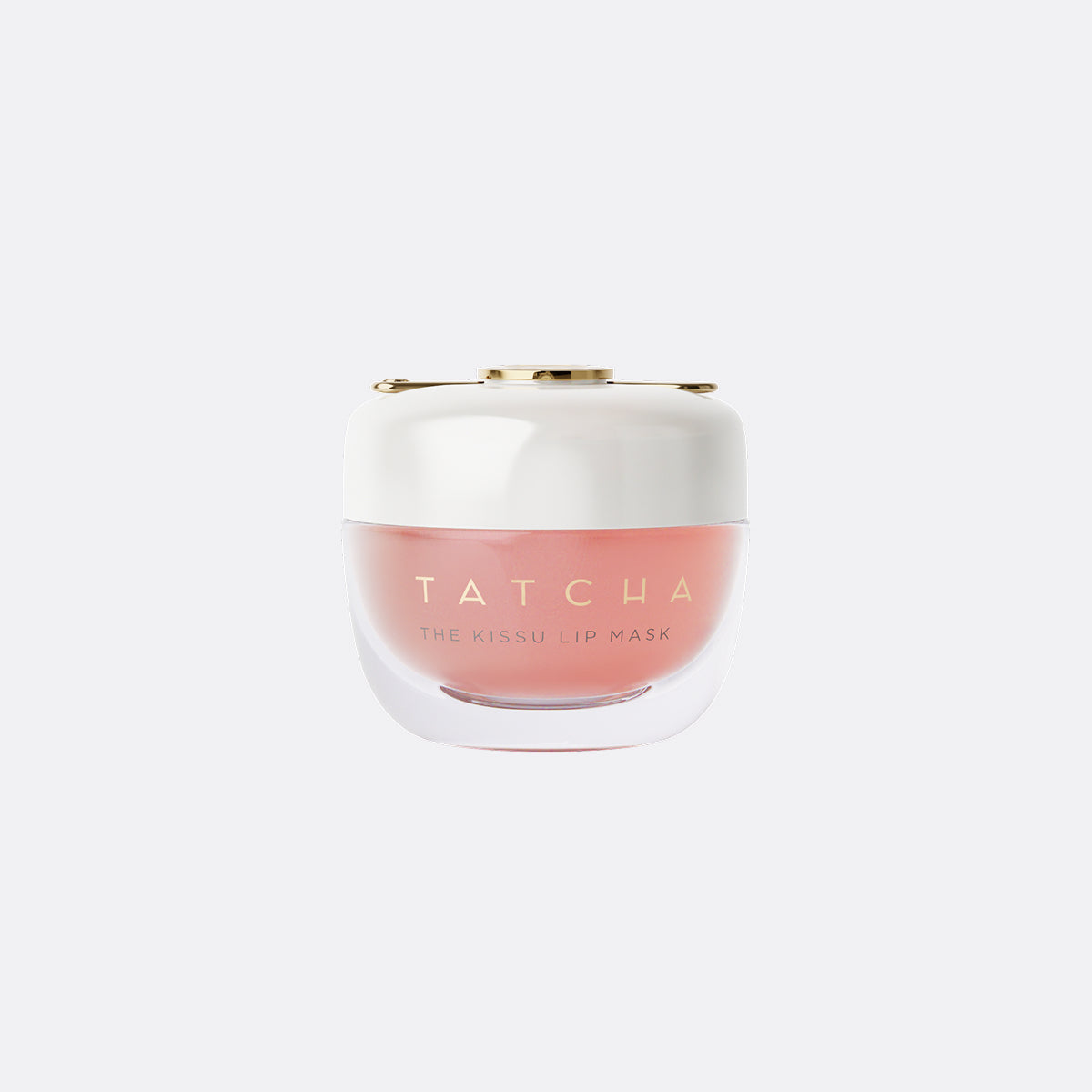
Body masks. Not just for the face, there are hosts of masks that are made to target your other parts, like the neck, even the butt. One of Tatcha’s best-selling masks isn’t for your face at all, but your lips—the Kissu leave-on jelly treatment.
What are the benefits of face masks?
A different question might read: Is there anything face masks can’t do? And the answer is, well, no. At least in the realm of skincare, there is no goal that a well-selected face mask can’t support. All you have to do is find the right one and figure out how it fits into your overall routine. But even before that, you might want to think about the benefits of face masks you’d like to receive.
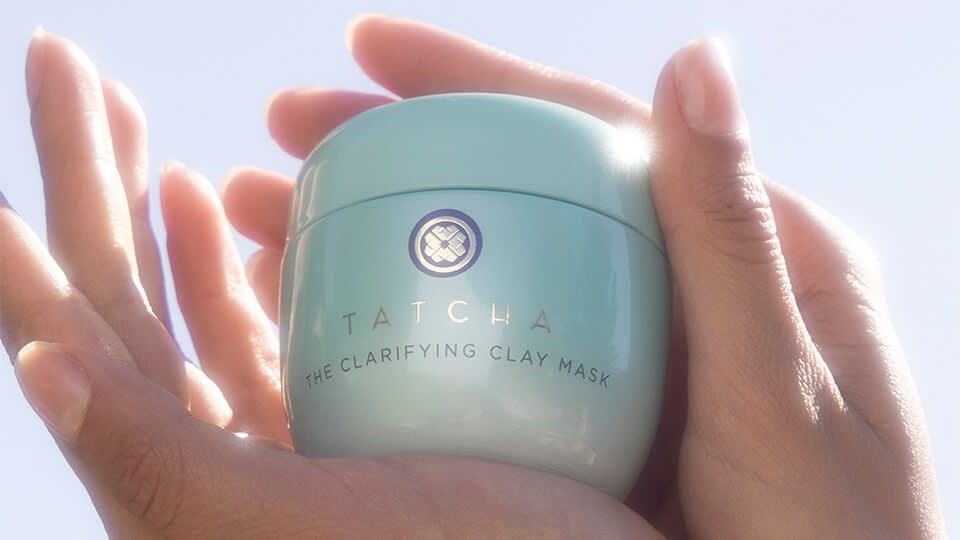
1. Masks can purge pores. Washing your face daily takes care of a lot of dirt, grime, and impurities—but every once in a while a deeper clean is necessary. For thousands of years, those who have been looking for this type of squeaky skin-cleanliness have turned to formulations like the Clarifying Clay Mask, which combines clay with volcanic ash and Japanese konjac root to fully resurface, exfoliate, and expunge.
2. Masks can boost your barrier. You can think of your skin barrier as the outermost layer of your skin. The Cleveland Clinic tells us that this layer is composed of dead cells, lipids, fats, and proteins, and benefits greatly from moisturization, especially when you can seal that moisture in with a mask. Sheet masks are superb choices for this task, especially when they’re made of materials that maximize their occlusive effects. Tatcha’s Luminous Deep Hydration Masks are made of biocellulose derived from an entire coconut, allowing for more efficient penetration of its serum than paper masks.
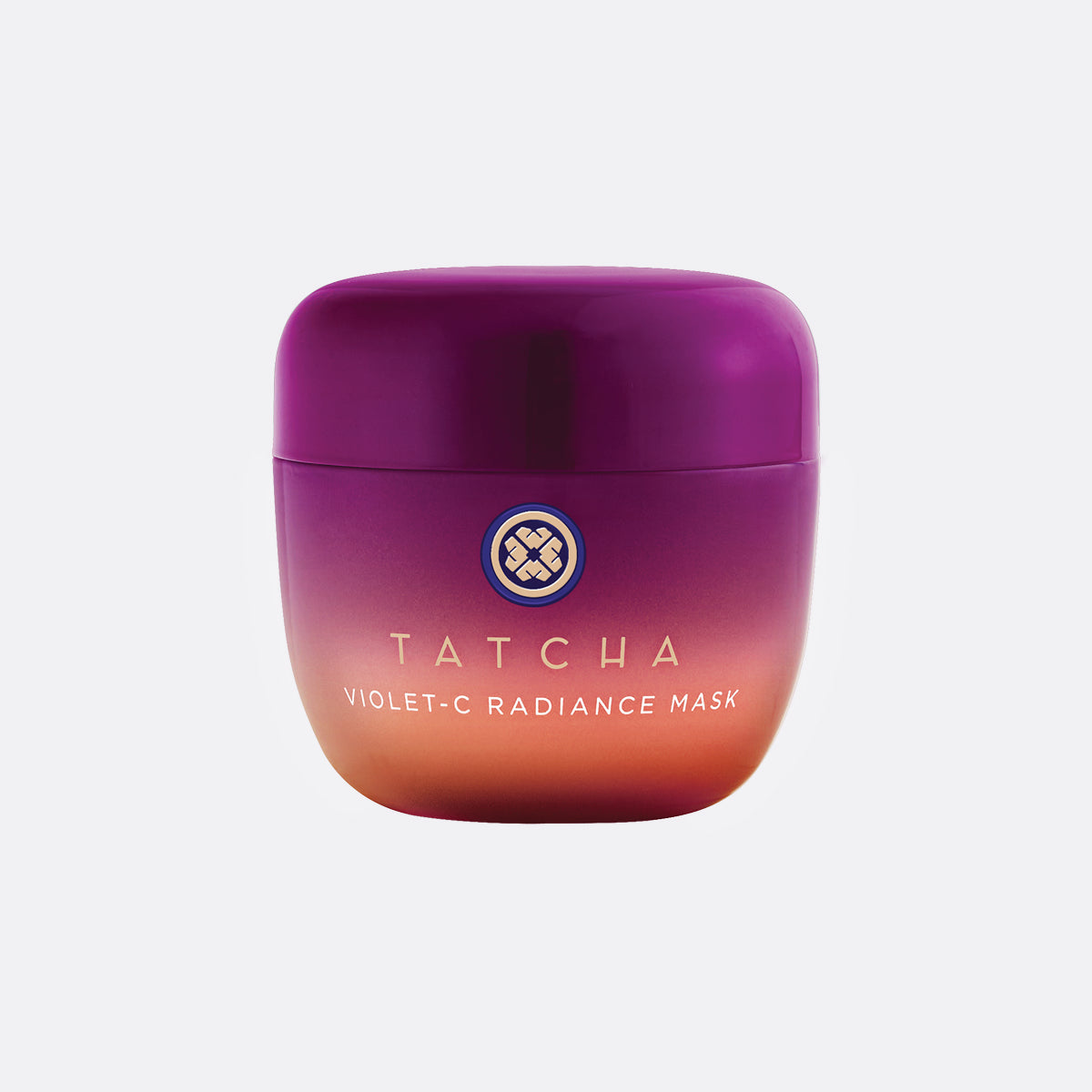
3. Masks can add glow. The extended application time of masks makes them particularly well-suited to carry potent active ingredients, like antioxidants that fight and repair free radical damage, or acids that exfoliate and resurface the skin’s outer layers. Something like the Vitamin C Radiance Mask includes both: A creamy, hydrating mask packed with two types of vitamin C and 10% alpha hydroxy acid content to improve skin texture, brighten skin tone, and unveil a soft, dewy glow—all because you took some time for yourself.